Everything You Need to Know About the LongMill MK3

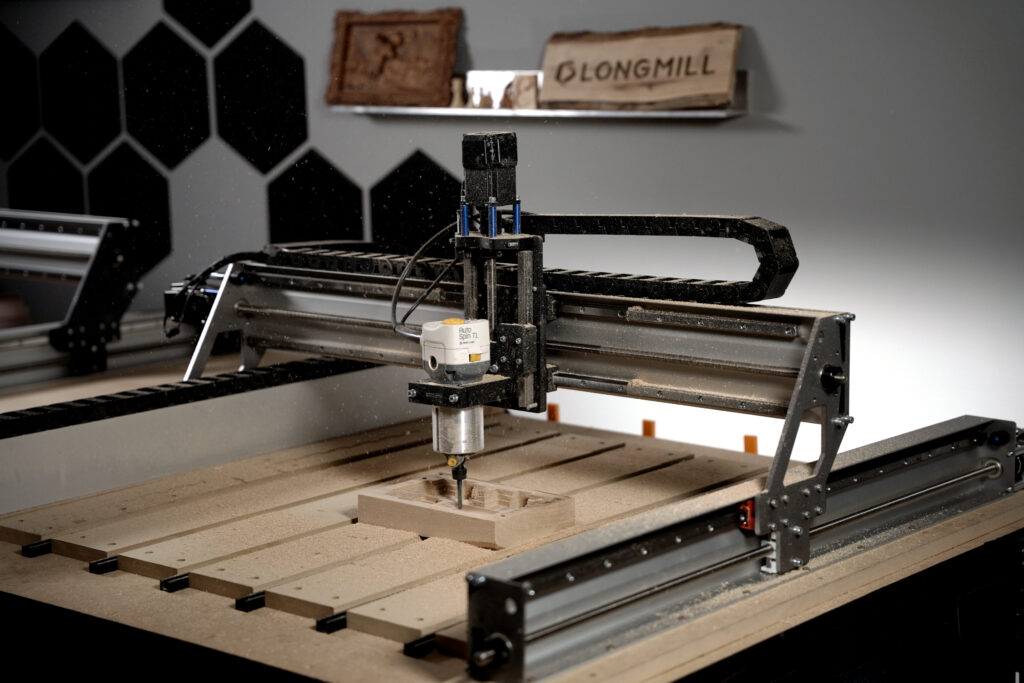
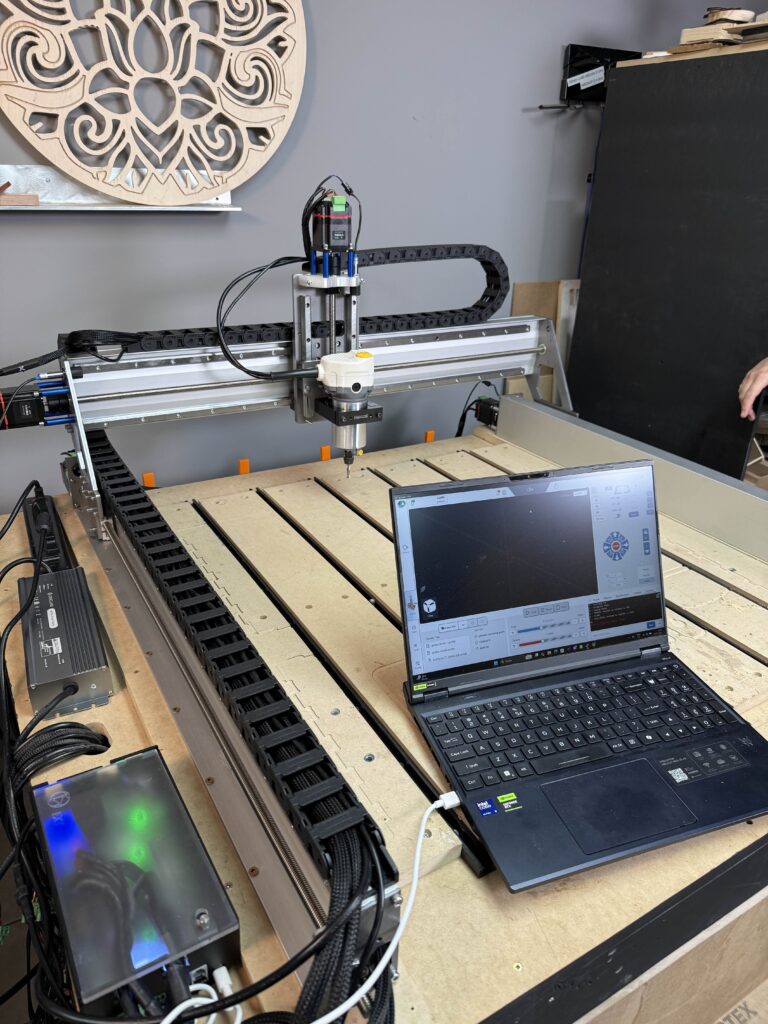
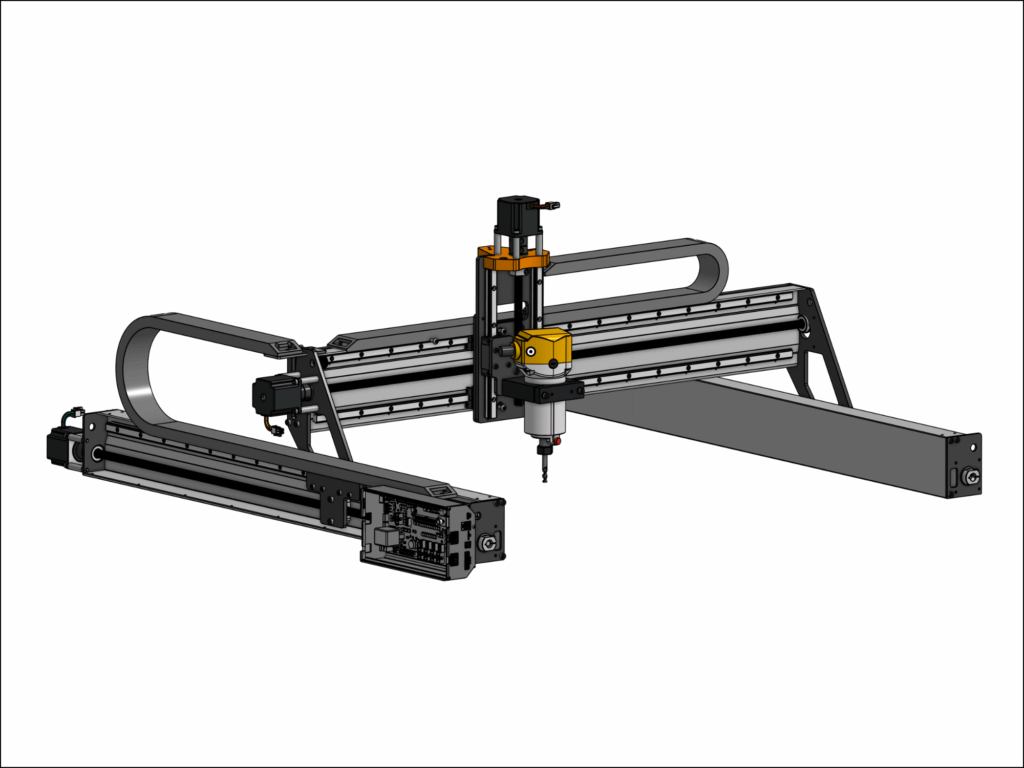
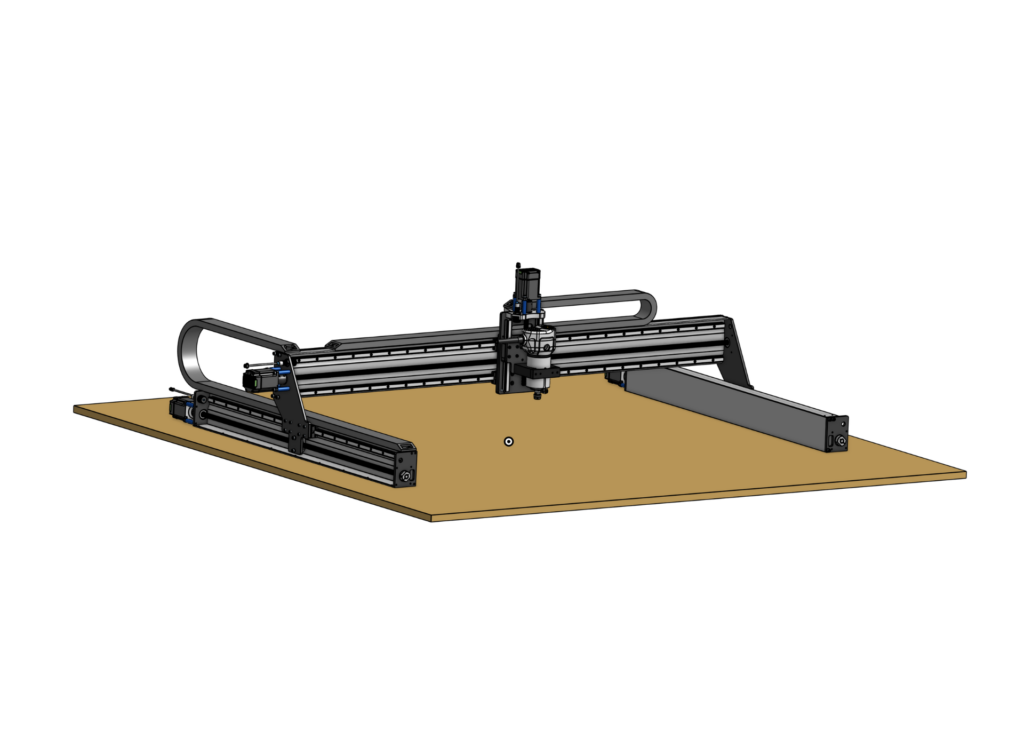
The LongMill MK3 is the successor to our past line of LongMills. Like the original LongMill, its aim is to provide a beginner friendly experience to people who are looking to get into CNCing, while providing enough power and performance to be a productive machine. The LongMill MK3 was designed to address several of the LongMill’s weak points, integrate new technologies, optimize manufacturability and ease of assembly. 

To speak frankly, we designed and we believe that the LongMill MK3 lineup represents the best entry level hobby CNC under $2000USD in terms of performance, design and customer support. We are excited to launch the LongMill MK3, as it represents a huge step forward in the hobby CNC field industry. 
Addressing Weak Points in the LongMill MK2 Design

Having shipped over 10,000 LongMills to date, we’ve experienced the impact of many of the design decisions made for our outgoing model, which has helped shape the design of the new LongMill MK3. Here are some of our learnings and takeaways.

V-wheels. While V-wheels are cheap, forgiving, and generally easy to use and maintain, they come with several drawbacks. First is that they require regular adjustment. The user must maintain a specific amount of tension to ensure that there is no play in the machine movement. This level of variability leads to variance in cut quality and tolerance. The use of linear guides, more specifically the HR15 type linear guides and blocks which are also used in the AltMill does not require adjustment and inherently has very little play, allowing for a more rigid machine. This system does have a small but reasonable drawback, which is that the linear guides must be oiled regularly. However, from our experience with the AltMill, this process is simple and easy enough that the process is easier than maintaining v-wheels.

Lead screws and ACME nuts. The ACME lead screw system on initial MK1 and MK2 LongMill designs also required user adjustment. In this design, the user uses a screw to adjust for backlash in the Delrin nut threads by pushing two halves of the thread apart. This also required the user to regularly adjust as the threads would wear. With the MK2.5 design, we implemented spring loaded anti-backlash nuts to the existing lead screw system, which eliminated the need for this adjustment, as the springs would automatically take up slack as the nuts wore down. We chose to stick with the ACME lead screw system over a ball screw system, largely due to cost. A ball screw system requires additional bearing blocks and hardware, and generally does not allow us or the user to cut the rails and lead screws to different lengths to allow variations in sizes like the LongMill does. The existing lead screw system is more than precise enough for the application and allows us to keep the LongMill MK3 at a lower price point.

Open-loop steppers. Due to the nature of open-loop stepper motors, when the LongMill stalls or misses steps, the machine continues cutting, making it difficult to salvage projects. The use of closed-loop steppers means that the machine can detect when it’s lost its position, so that it can pause the cutting job and allow the user to rehome and restart the machine. Closed-loop stepper motors are generally also more efficient and can run faster with more torque, which means that we can run the LongMill MK3 faster and harder than the LongMill.

Implementing New Technologies

The development of the AltMill has allowed us to “trickle down” some of the parts and innovations into the LongMill MK3. While HR15 Linear Motion components are more expensive than v-wheels, due to the larger economies of scale, we are now able to purchase and use them for the LongMill MK3 while keeping a similar BOM price as the LongMill. 

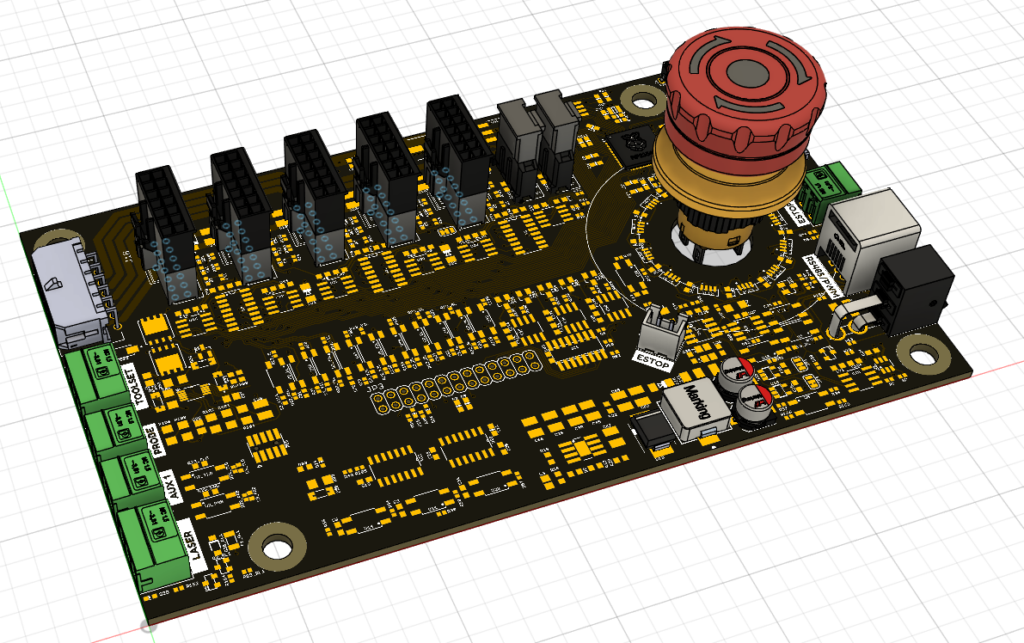
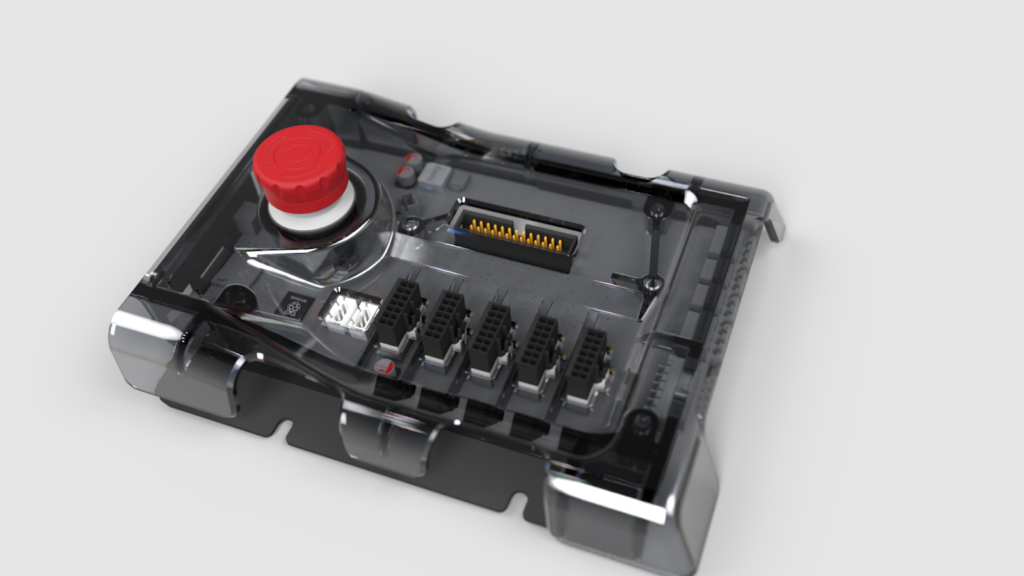
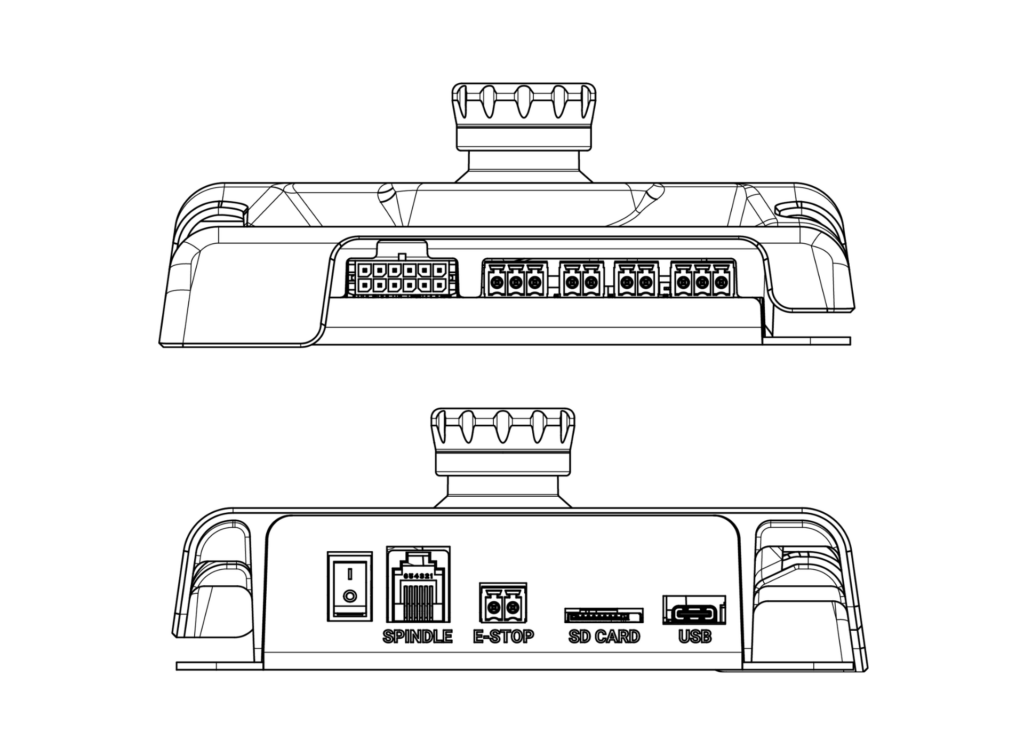
Additionally, our work in creating and improving assembly processes allows us to utilize some of those techniques in the LongMill MK3 as well. We also are using the same types of closed-loop stepper motors and the SLB-LITE controller, which is also possible due to the high volumes of motors we are already buying for the AltMill. 

Work in features and improvements in gSender and GRBL-HAL also play a key part of the overall user experience with the LongMill MK3, including stronger integration of an independent 4th axis, auto-squaring, gcode editing, granular control of EEPROM settings, and the use of a tool length sensor. While these features are now available for legacy LongMill users, the LongMill MK3 specifically prepares the use of the machine with the new features in mind.
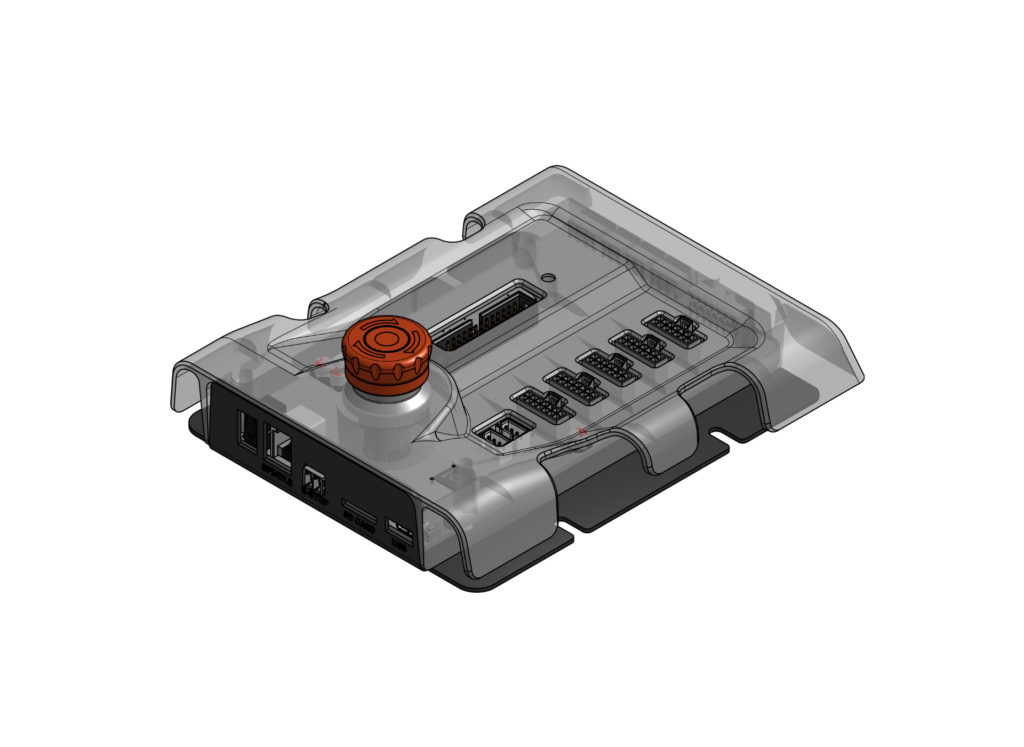
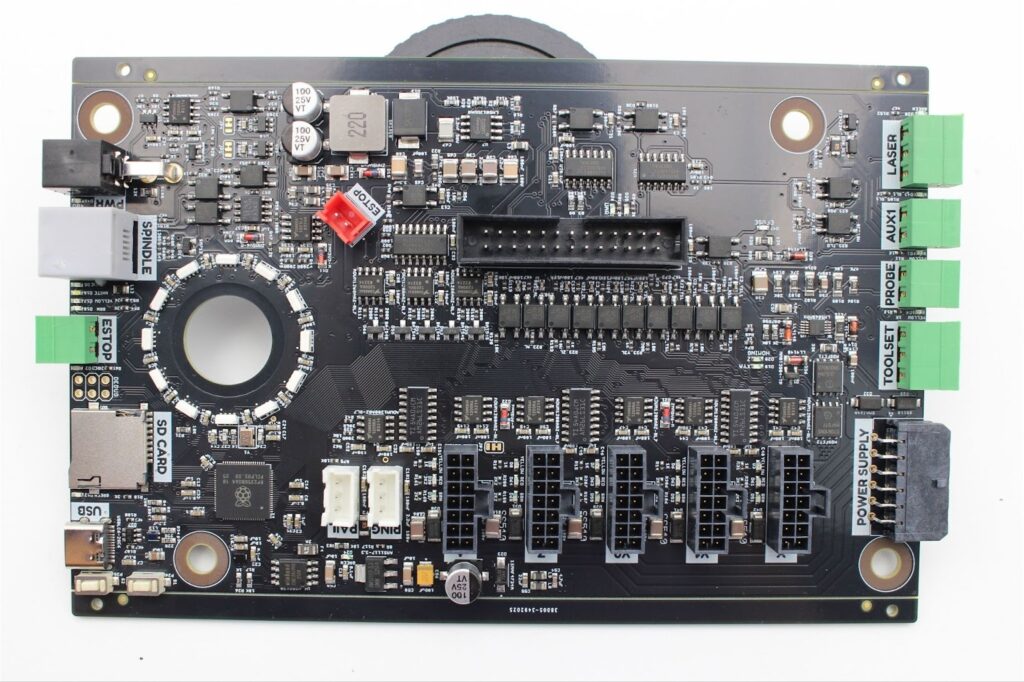
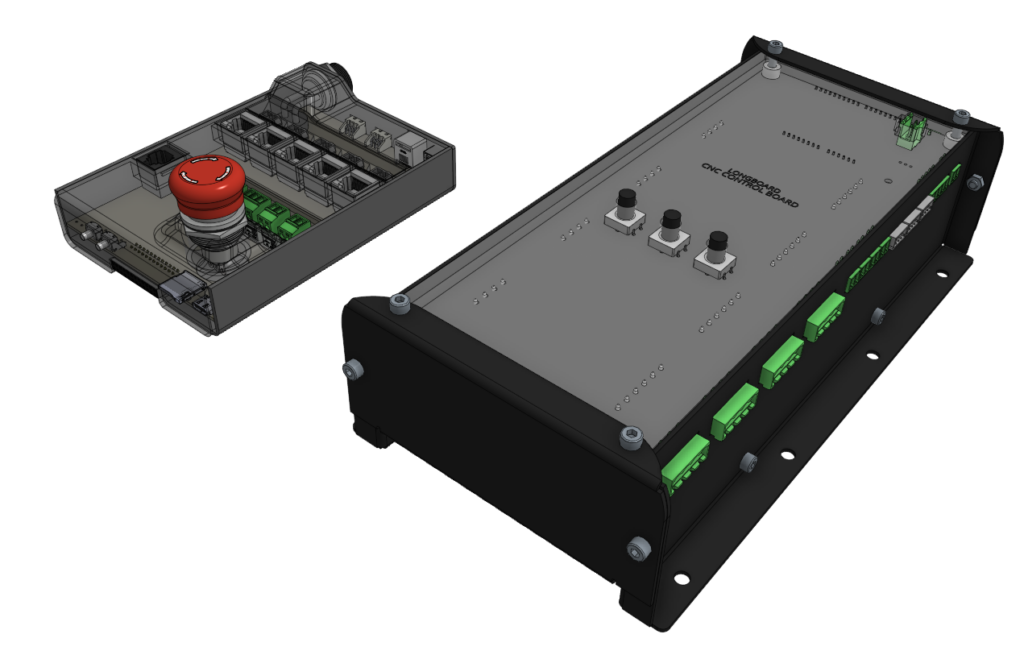
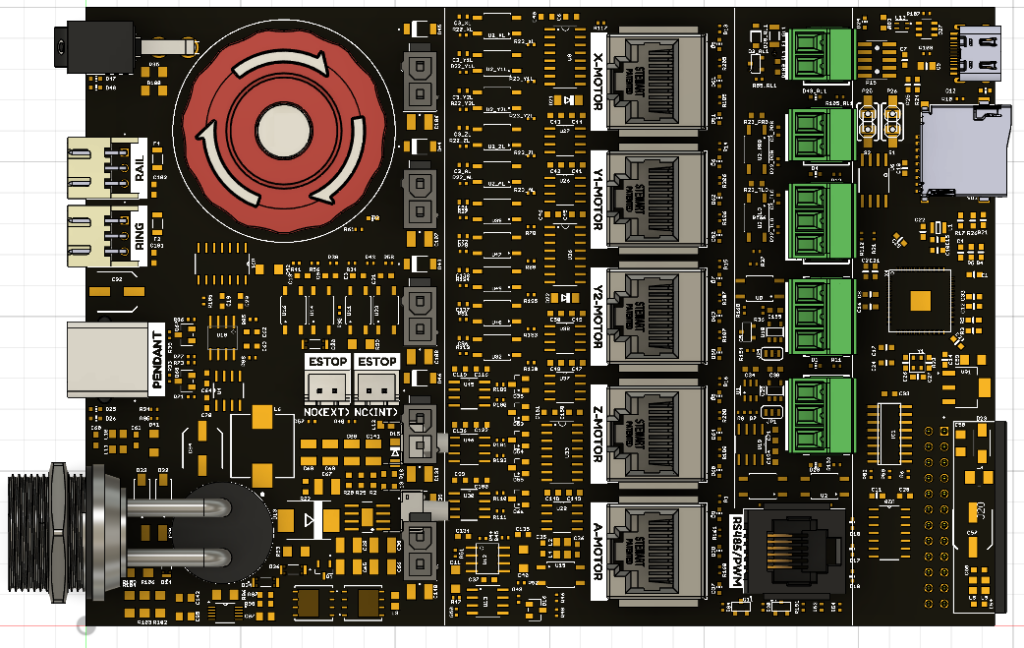
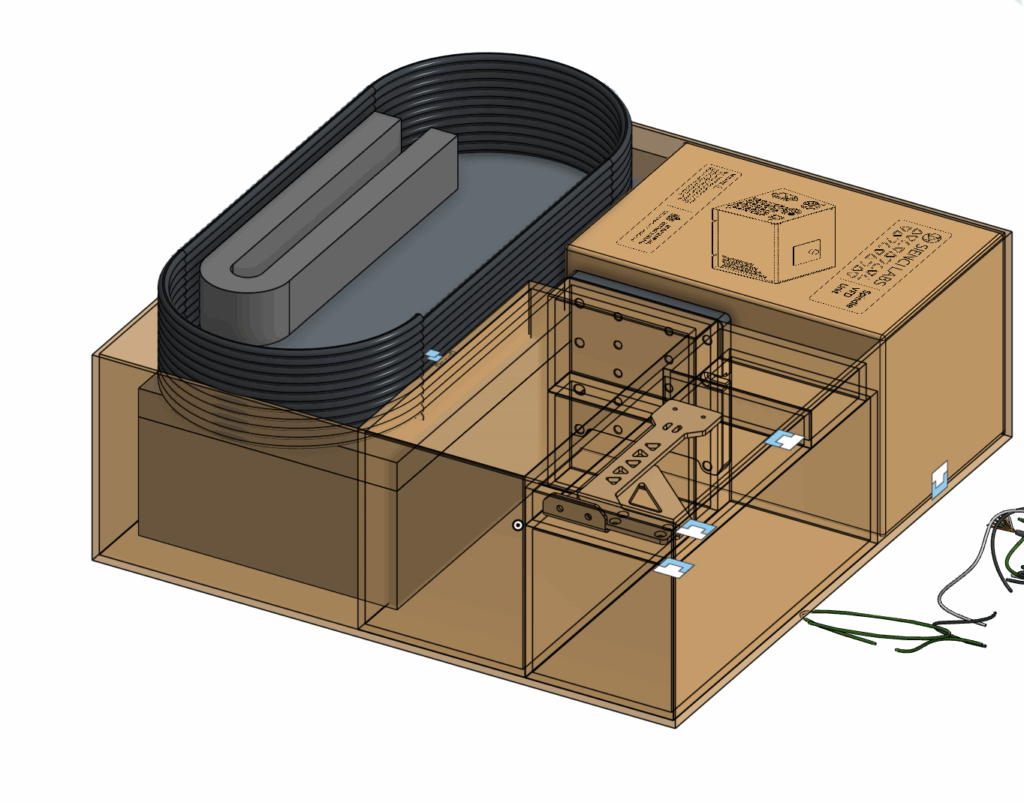
SLB-LITE 3D Render - Thumbnail
SLB-LITE 3D Drawing - & Ports Cables

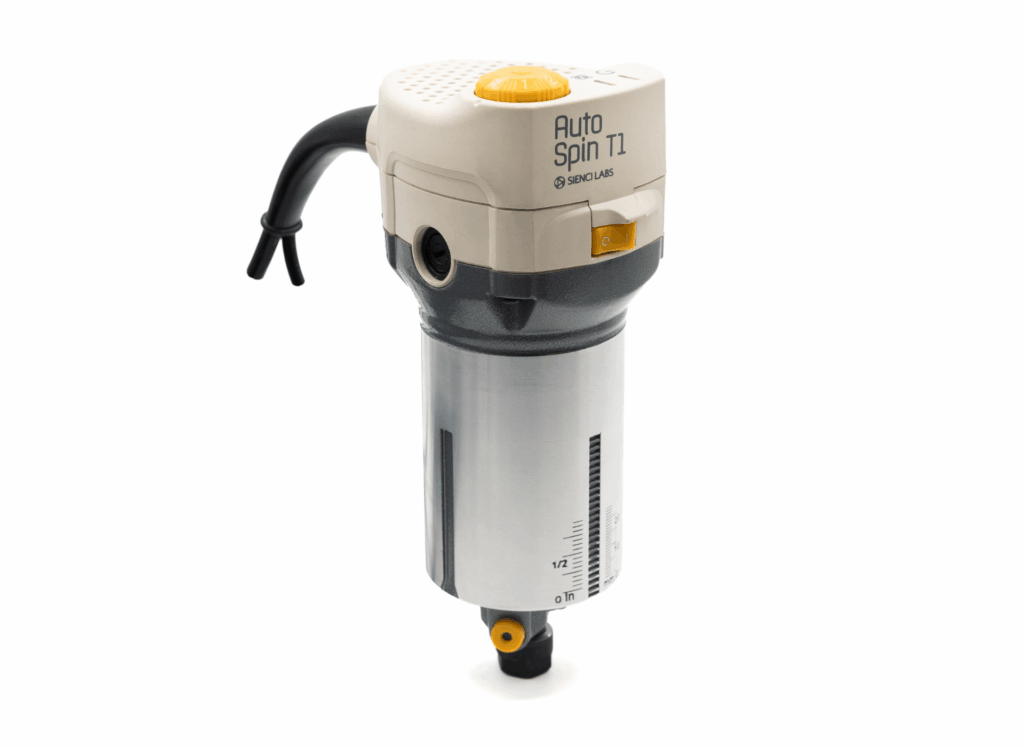
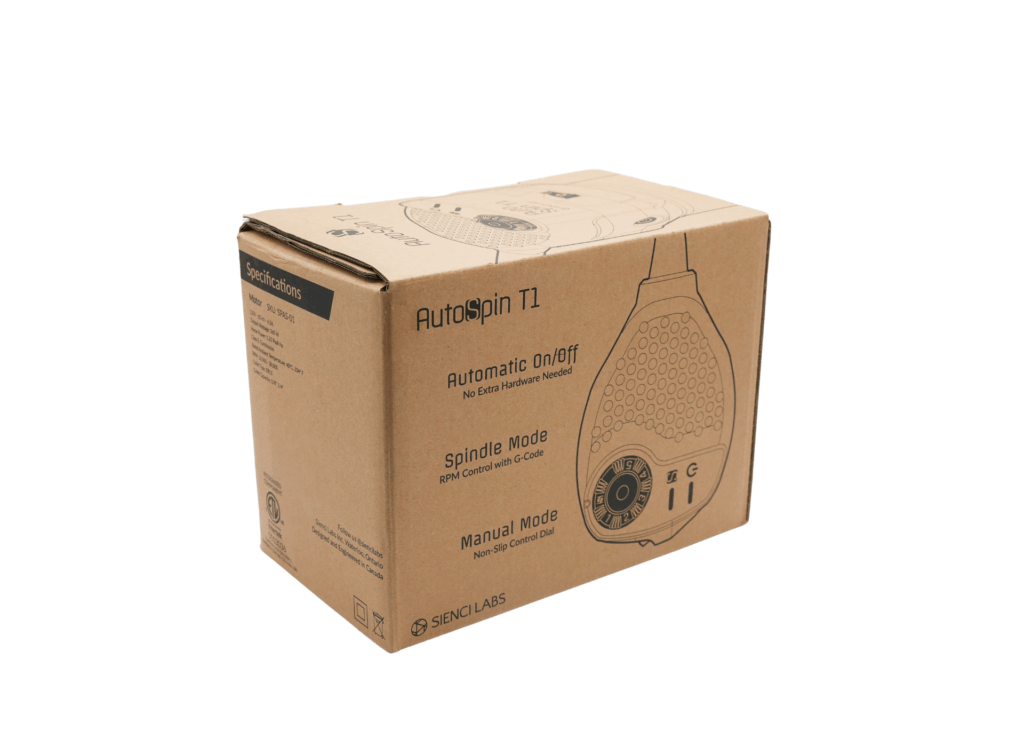
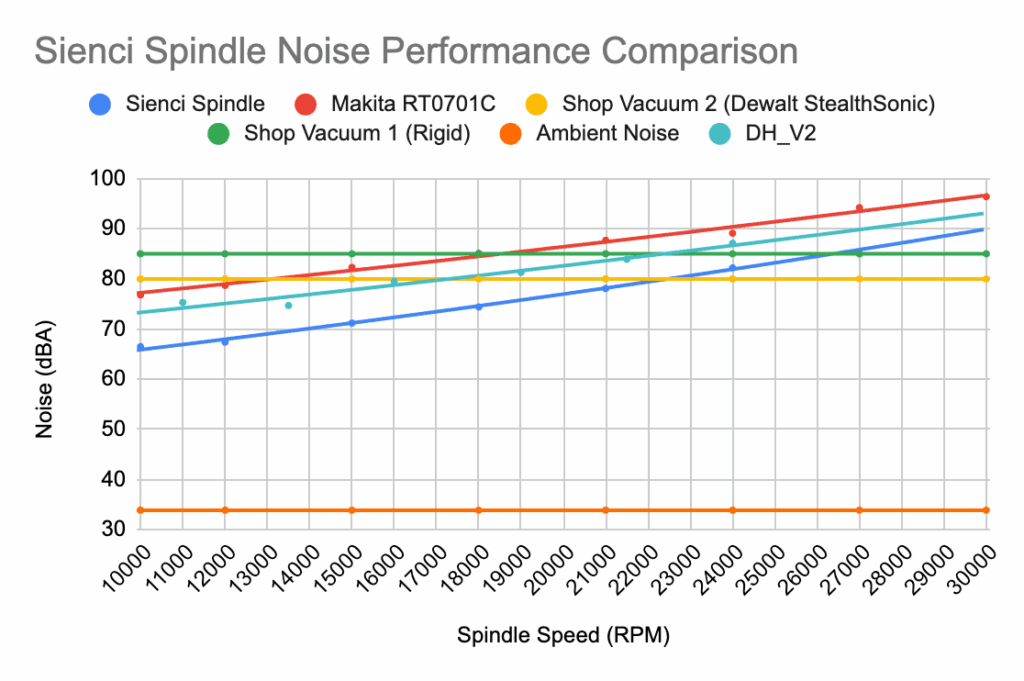
Another key development that was created with the LongMill MK3 in mind is the AutoSpin T1 router. While we’ve been selling and recommending the Makita RT0701 for many years, we developed the AutoSpin T1 to be a successor to it by not only bringing a higher standard of quality and durability, but also the ability to control the router on-off, and speed. Overall, this allows the machine to be closer in functionality to higher end machines that use traditional spindles at a fraction of a cost. The LongMill MK3 was designed specifically with the AutoSpin T1 in mind.  

Improving Manufacturability

We’ve made significant improvements to the manufacturability of the LongMill MK3 primarily through reducing the number of unique parts and pre-assembly of certain components.

The LongMill MK3 contains approximately 30 unique components, which is a 25% decrease from the LongMill MK2. We were able to do that by:

  • Eliminating the need for rail feet by having the LongMill MK3 Y rail screw directly into the wasteboard
  • Using T12 hardware across all axis, rather than using T8 on some and T12 on others
  • Integrated mounting points for the drag chains
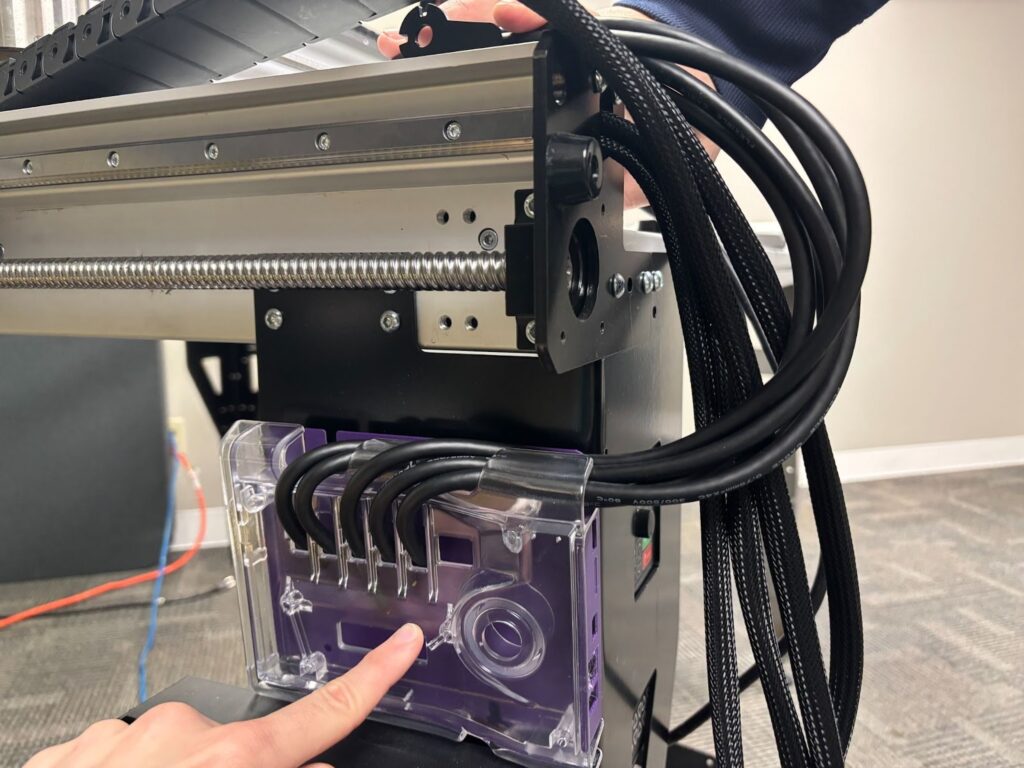
  • Integrated motor and sensor cables

While decreasing the bill of materials by 10 unique components might not sound like a lot, this eliminates a lot of work including supply chain and sourcing work, QA, documentation, and even resource development. We are also able to purchase larger quantities of parts, which helps improve our economies of scale and bringing the overall cost of the machine down. 

Improving Ease of Assembly

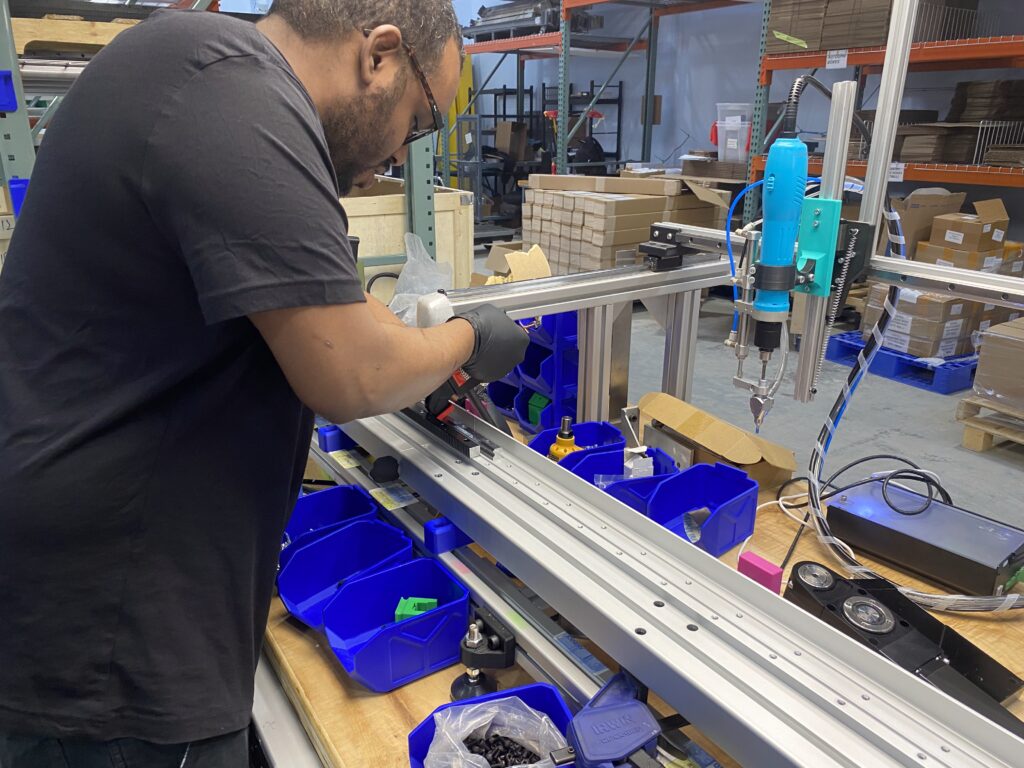
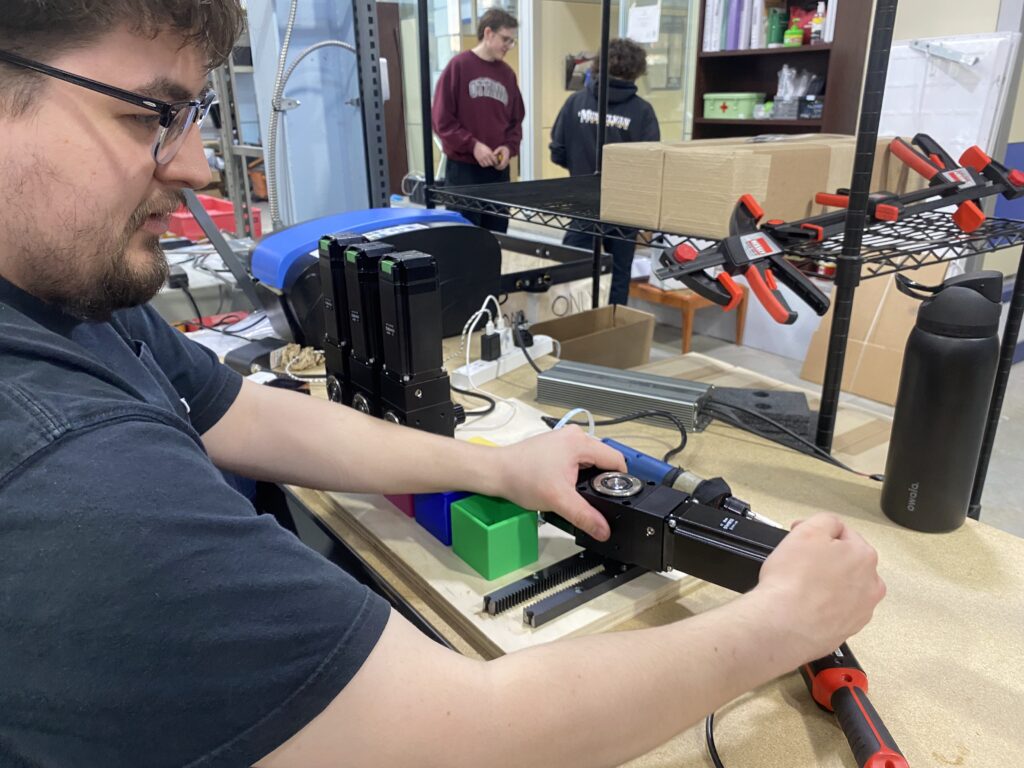
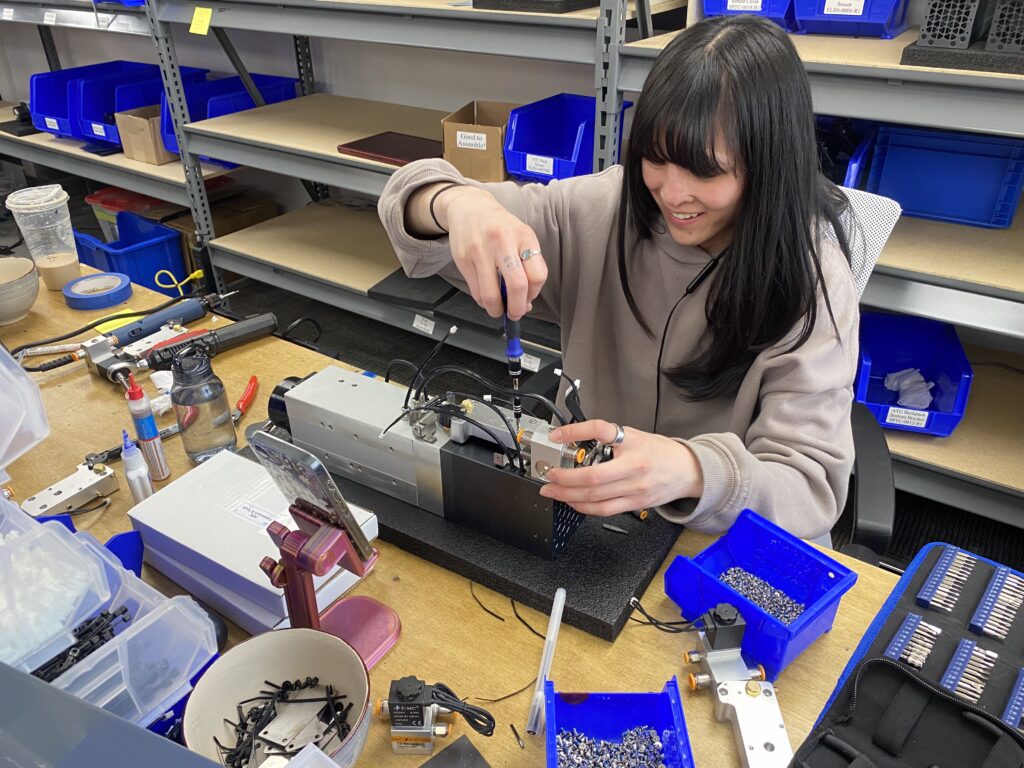
The LongMill MK3 substantially increases the ease of assembly with more of the machine assembled in house. We’ve chosen to move in this direction because:

  • It eliminates a lot of packaging, as we don’t need to individually pack items into boxes and bags
  • We can perform more QA checks through the assembly process by ensuring that parts come together with the proper fit and finish
  • Tools and processes implemented in the production and assembly of the AltMill product line allow us to speed up the process of assembly for the LongMill
  • We can reduce the amount of development needed for assembly resources
  • The time that the customer needs to assemble the machine is significantly lower

Like the AltMill line, the LongMill MK3 will be manufactured and assembled wholly in house at our shop in Waterloo Ontario, which allows us to keep a close eye on quality throughout the whole batch.

Additionally, as we mentioned earlier, there are way fewer unique parts, which means that for the parts that the user does need to self assemble, this process will be easier overall. Based on our testing, we expect users to be able to assemble and set up their machines in less than an hour, 2-3 times faster than the outgoing generation.

Competitive Landscape

Since the original LongMill launched in 2019 and especially in the past year, we’ve seen a ton of new launches for beginner friendly CNC machines, some from the Chinese market and some from the North American market. 

With CNC technology becoming more accessible and affordable, we’ve seen a lot of growth in the beginner and hobbyist market. This gives us a lot of new insights on what we think works and doesn’t work. 

A move away from belts and wheels: Earliest hobby CNC machines used belts and wheels in their motion system. While cheap, these components require adjustment and lack the rigidity that hobbyists expect today.

Pre-assembled/partially assembled machines: Users expect machines to be much easier to assemble, with most machines pre-assembled or partially assembled, requiring the user to only need basic assembly and wiring to complete the machine.

Closed-loop motors: While at the moment, most hobby CNC machines still use open-loop motors, we expect to see a shift towards more closed-loop motors for their performance advantages. As we discussed in the article about the Closed-Loop Stepper Motor Kit for the LongMill MK2 (https://sienci.com/2025/12/15/everything-you-need-to-know-about-the-closed-loop-stepper-motor-kit/), we’ve seen prices come down for the components needed for closed-loop stepper motors as they become more popular in CNC machines.

Performance Differences

With the conjunction of closed-loop steppers and thicker lead screws, we are able to push the rapid speeds of the LongMill MK3 to almost double the speeds of the MK2. 

LongMill MK2 

  • X and Y default max rapid speeds = 4000mm/min, 157IPM
  • Z default max rapid speed = 3000mm/min

LongMill MK3

  • X and Y default max rapid speeds = 7000mm/min, 275IPM
  • Z default max rapid speed = 6000mm/min, 236IPM

Rigidity

The performance of any CNC machine depends a lot on the overall rigidity. Based on our testing, we are able to see between 60 to 80% improvement in overall rigidity of the machine. This means that not only can the machine move faster, it can handle the extra power. In practice, this means shorter cutting times, cleaner results, and more reliability overall.

Comparison at 25N/5.62lbs
Positive X (thou)Positive Y (thou)
LongMill MK2 48×30 (extrapolated)710
LongMill MK3 48×304.58
Difference (thou)2.52
Difference (%)64.29%80.00%
Comparison at 50N/11.24lbs
Positive X (thou)Positive Y (thou)
LongMill MK2 48×3014.220.7
LongMill MK3 48×301011
Difference (thou)4.29.7
Difference (%)70.42%64.29%

Pricing

Pricing and sizes for the LongMill MK3 series will be approximately the same as our prior generation machines:

  • LongMill MK3 30×30 ~$1400USD or $1890CAD
  • LongMill MK3 48×30 ~ $1800USD or $2430CAD

We’ll once again be offering a bundled Beginner’s Kit, which will include the AutoSpin T1 router, an AutoZero Touch Plate, a dust shoe and some end mills, This bundle will offer savings around $100CAD/$110USD vs buying these accessories separately.

Please note that pricing may change slightly at launch/production.

Production Schedule

Pre-orders are expected to open up May 26, 2026 at 11AM EST.

When pre-order opens we will share an expected shipping date, which is looking like mid-to-late August, possibly early September (at the time of this Blog). We are currently in production for 1000 units.

Stay tuned for announcements in three weeks.

 FAQs

Will I be able to upgrade my LongMill MK1, MK2, or MK2.5 to the MK3?
Practically speaking, no. The LongMill MK3 is a complete rework of the design and so the cost difference between buying a new, full machine and doing an upgrade would be negligible. 

Can I use a spindle with my LongMill MK3?
Yes, you can use the same spindle kit that we currently offer for the LongMill MK2.5 on the LongMill MK3 with essentially the same installation instructions. It should be noted that since the spindle is larger, users may lose some travel in the X.

If I buy a 30×30, can I upgrade to a 48×30 later?
Yes, we will make the parts required to increase the size of the X axis to turn a LongMill MK3 30×30 to a 48×30 available. However, we do not currently have specific plans to have them available at the time of launch.

What is the difference between the LongMill MK3 and the AltMill?
We built the LongMill MK3 with entry level/beginners on a budget in mind. The AltMill is aimed more towards pro-sumers and semi-industrial use. For a full comparison, check out our video:

Is the LongMill MK3 compatible with the Makita RT0701?
Yes it is, and all LongMill MK3s will come with a 65mm mount. Please note that you may need to use an extension cable for the Makita RT0701 to pass through the drag chains.

Does the LongMill MK3 support Sienci Labs’ accessories?
Yes, any accessories from the LongMill MK2.5 and prior will work with the LongMill MK3, with the exception of dust shoes, which have been design specifically for each machine.

Can you tile/pass sheets through the back of the machine?
Yes, just like all other LongMills, the rear of the machine is open and you can pass larger sheets through the machine. It should be noted that you may need to position or route the Y motor cable in a way to prevent interference with material if you do choose to do tiling.

Can you mount the LongMill MK3 vertically?
Yes. With the substantially stronger motors and larger lead screws, we expect essentially no performance drawbacks in mounting your machine vertically.

What will support look like for owners of LongMill MK1, MK2, and MK2.5 machines?
Support will continue to be largely the same. We have stockpiled between 3-5 years of spare components to support our users of older machines, and open source design files and specifications are available through the respective resource pages of each machine to allow users to source alternative components if necessary. Otherwise, technical support will remain the same between all of the different versions of the machine.
May 2026 Production Updates

Welcome back, it’s our May production updates! We got lots of great news for you.

Chris Thorogood Leaves Sienci Labs as CTO and Co-owner

This past April, Chris Thorogood, our CTO and co-owner left the company. You can read more about the exit here: https://sienci.com/2026/04/29/%f0%9f%91%8b-blog-post-to-say-goodbye/

More Space Expansion

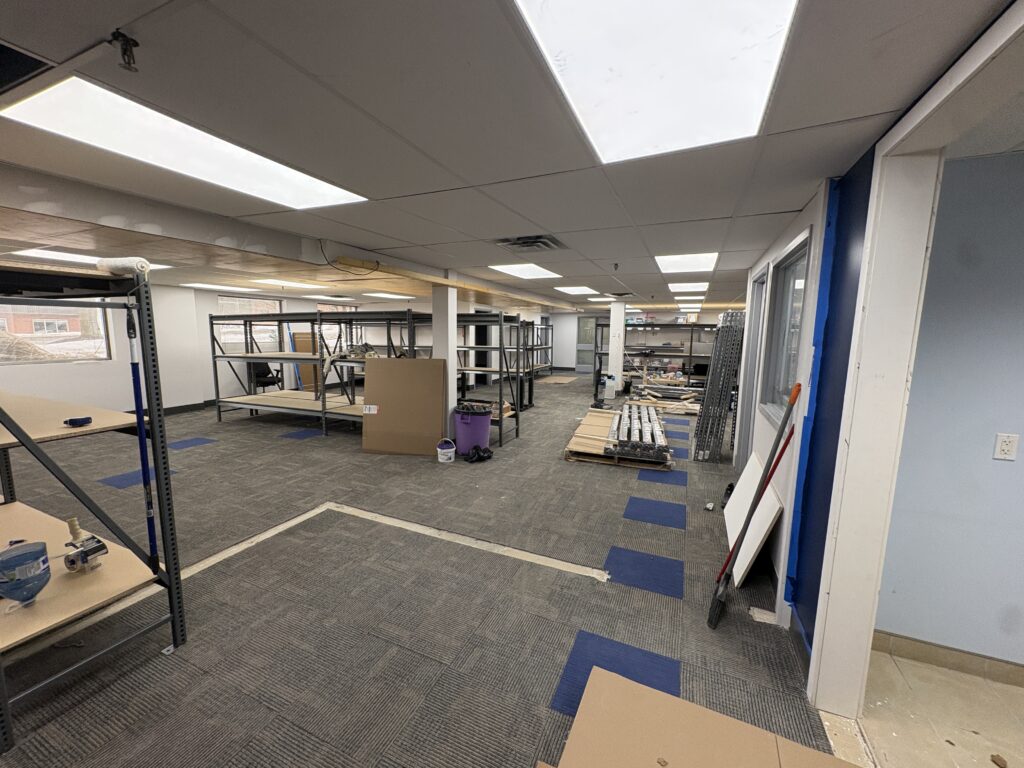
Back in the March 2026 Production Update, we mentioned that we added about 2500sqft of production space to our shop. I’m excited to announce that our office expanded again this month by another 3500sqft. This includes around 2100sqft downstairs, which used to be a large boardroom to be turned into media space, where we’ll use as a dedicated filming space for the marketing team. We’re also looking to potentially host classes and events there down the line as well.

The upstairs ~1400sqft is expected to be used primarily as desk space, with some focus for the customer service team, as the space has a couple of enclosed offices, which should allow them to make and take calls in a quieter environment.

AltMill 4×8 Now Shipping

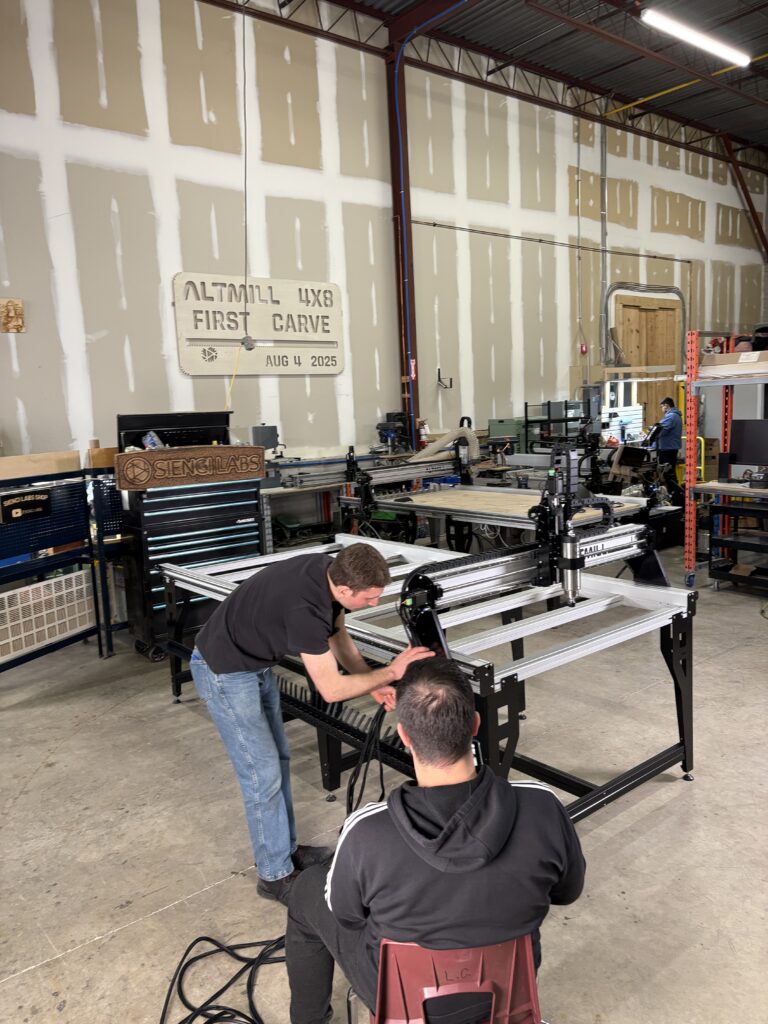
We are excited to announce that starting April 16th we started shipping the first batch of AltMill 4x8s! A huge congrats to the production and engineering team for working diligently to iron out any last minute QC issues, as well as the customer support, marketing, and resource teams for pulling together the resources for the use and assembly of the machine.
For all of the machines that have been ordered, please check our Order Status Page for estimates on when your machine will ship. We are expecting new orders for the AltMill 4×8 to ship in August, so lead times remain long for the time being. The new batch (batch 2) is expected to have 300 units.

Youtube videos on the complete assembly of the 4×8 are now out, so make sure to check those out!

ATC Now Shipping

Extra exciting news is that the ATC is now shipping as well since April 16th! Again, a huge accomplishment for all of the teams at Sienci Labs for pulling off what is probably our most complicated project to date.

Our first batch of ATCs have sold out, and we are now in production for another batch. We are expecting orders for ATC placed today to start shipping in June. We are nearly sold out on our second batch of ATCs as well. If you order in our third batch, we are expecting those to ship out Aug-Sept. Please see our latest Order Status updates for lead times.

As you may or may not know, we also designed a TLS (tool length sensor) for the ATC process, but we’ll have those for sale to accompany regular spindles as well, so keep an eye out for that. This has been a feature a lot of people have been asking for.

Videos for ATC are also now out, so feel free to check those out as well!

gSender and Firmware Updates

There is a new major release of gSender! Check out the full blog post here: https://sienci.com/2026/04/16/gsender-1-6-0-release/. gSender 1.6.0, now the latest version of gSender comes with a huge number of improvements, such as faster loading times, a built in gcode editor, and new EEPROM settings manager, but also comes with new features required for operation of the ATC and AltMill 4×8 functions. This also aligns with updates to the firmware coming out, mentioned back in January. We are shipping machines now with the new firmware to ensure ATC support, and users will be provided with resources for updating their machines to new firmware in the ATC resources.

LongMill MK3 Development

LongMill MK3 development continues to chug forward. Most of our work this past month was tweaking the design, general testing, packaging design, and planning for the resources development. As mentioned at some point in one of the updates, we are expecting to open pre-orders late May, with shipping expected to start around mid to late August. Keep an eye out for the “Everything You Need to Know About the LongMill MK3” blog releasing this week as well.

A couple of key directions we’re looking to go down at the moment include:

  • More of the machine pre-assembled in house, which means faster set up time for the end user
  • Streamlined packaging, since less bags and boxes required when parts are already assembled into units

SLB-LITE/SLB-EXT V2

Development continues to move along for the SLB-LITE and SLB-EXT V2. We have now been doing testing and troubleshooting for the new boards for the last few weeks and working on tweaking the design for the second version.

Things done this month include:

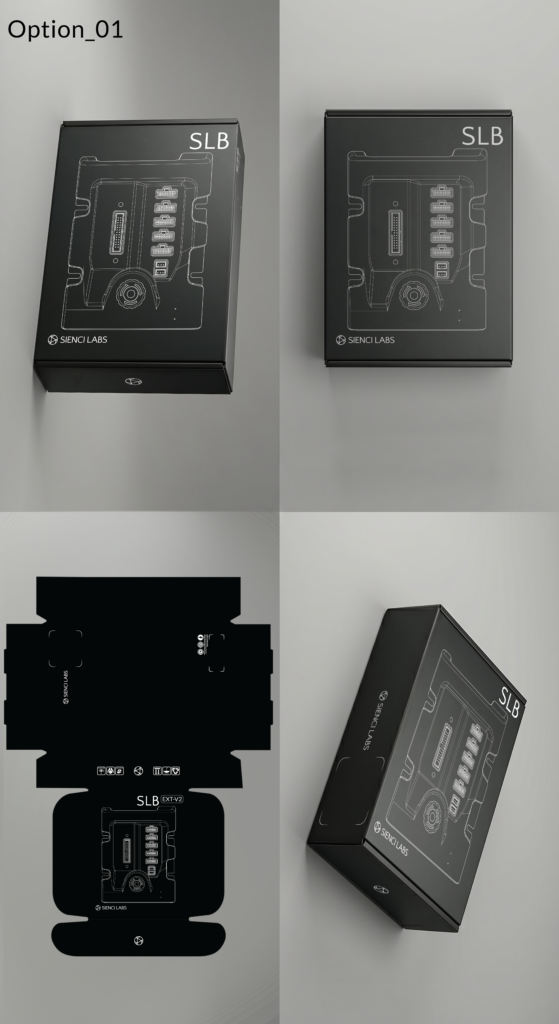
  • Design and production of pulp molds for packaging
  • Ordering of mounting bushings and other parts needed for case assembly
  • Ordering of e-stops
  • Initial test production batch of 200 PCBs, and if no issues, we’ll push for the full batch (around 1000 controllers)

Otherwise we expect to be continuing testing and design work for the new controllers into May and June.

Ontario Safety Compliance for AltMill and LongMill Machines

Hi everyone, as you guys may know, we had been working with ESA on the safety compliance for the VFDs in 2025, which was eventually completed for sales in Ontario. We are now working with ESA on the compliance for power supplies used in LongMill and AltMill products within Ontario. For customers outside of Ontario, feel free to skip this notice, as this is only limited to within Ontario. If you are within Ontario trying to make an order for the LongMill or AltMill, you may receive a notice at checkout.

Starting April 29th, we’ll be pausing sales for the LongMill and AltMill for customers in Ontario. Please read further on specific plans for each machine.

LongMill MK2.5

Given that we have a small number of machines left for the LongMill MK2.5, it’s likely that we will be clearing out of this stock before having a prepared power supply. However, the upcoming LongMill MK3 which is expected launch soon, and will be safety compliant for use and sale in Ontario.

AltMill

Since we are expecting to continue production and development of the AltMill, we have been working on a new power supply design around the safety compliance over the last few months. Based on our development timelines, we expect this to be complete around August 2026.

What if I am in Ontario and want to purchase an AltMill or LongMill?

Please contact us directly for additional support as we may be able to provide you with a one off power supply for temporary use that is safety compliant or hold your order until certified power supplies are ready to ship.

April 2026 Production Updates

It’s another month, another production update!

Notes on customer service times

First off, I just wanted to mention that the last couple of months have been pretty busy on the customer service and support side of things, especially as we were coming down from our busy winter season, which meant that response times were a bit longer than usual. I’m happy to share that we did bring on another support person to our team with a lot of hands on experience being a former customer, which means we now have five full time staff for customer support, plus, some of our engineers and product management team also involved in the customer service and resource development.

We’ve now caught up on tickets and replying back on our typical timely manner.

With the AltMill 4×8, ATC, and a bunch of other stuff going through our pipeline, we anticipate our demand for support to continue to grow, so if you’re interested in joining our customer service team, feel free to share with us here: www.sienci.com/work

AltMill 4×8

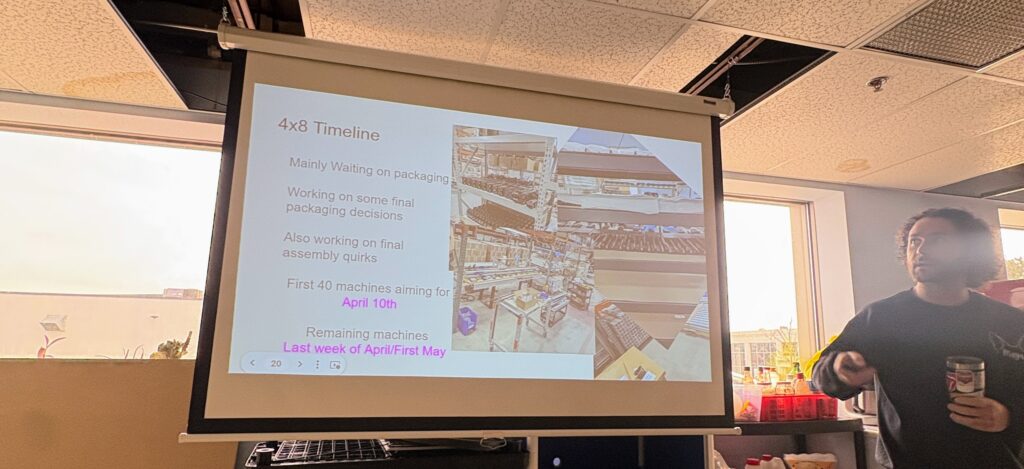
Mike presents the upcoming timeline in the company townhall

We have been full swing on AltMill 4×8 production, with a bunch of stations now set up for assembly of the new machines. However, we have been delayed a few weeks, and current first machine shipping date is set at April 10th April 17th. Due to some components being off tolerance and needing rework, we are putting extra effort to make sure that the first batch of machines don’t have early stage issues. Some things that are being addressed include:

  • Pitch error on the racks
  • Tooth profile tolerances on the pinons
  • Gearbox backlash

On the bright side, we have ordered enough extra parts so that even with a higher than typical number of QA rejects, we are able to fill a substantial number of the first batch. We are also working on remaking parts to ensure that we can complete the rest of the production batch. We are building and assembling as much as we can as we work through the process in the meantime.

We are also now in production of batch 2, bringing additional considerations and QA processes to reduce potential issues and delays.

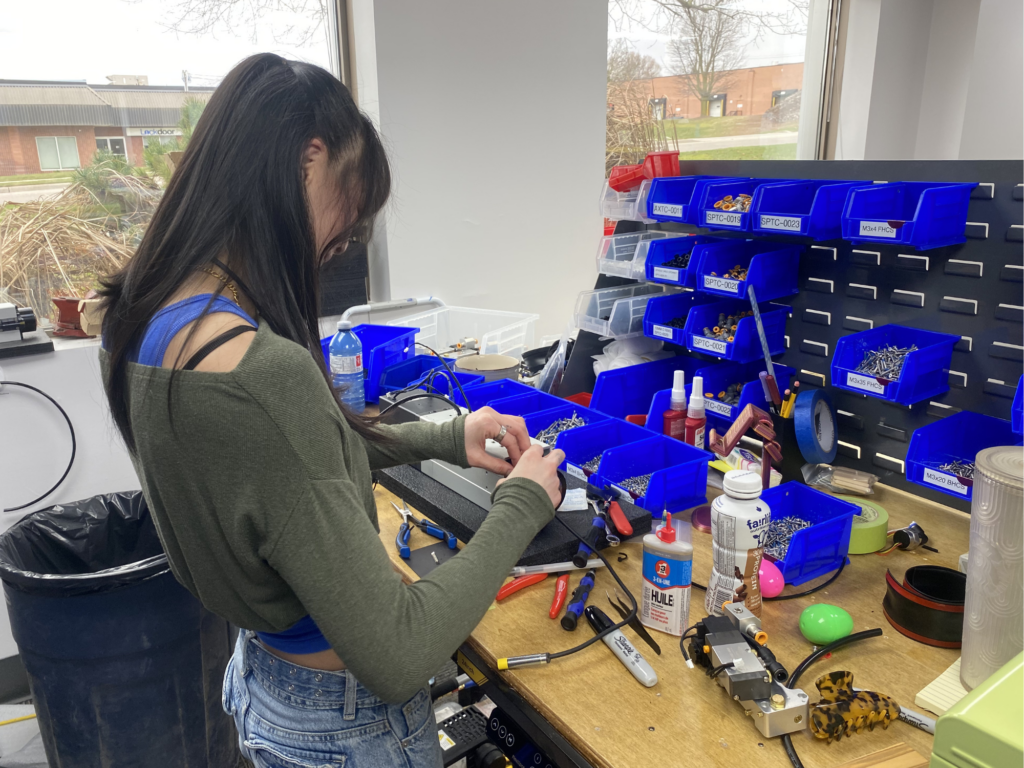
In other news, the engineers and marketing team have been working on putting together the full assembly resources and videos over the last few weeks, getting ready to post once the machines start shipping.

Filming and creating content for the assembly process
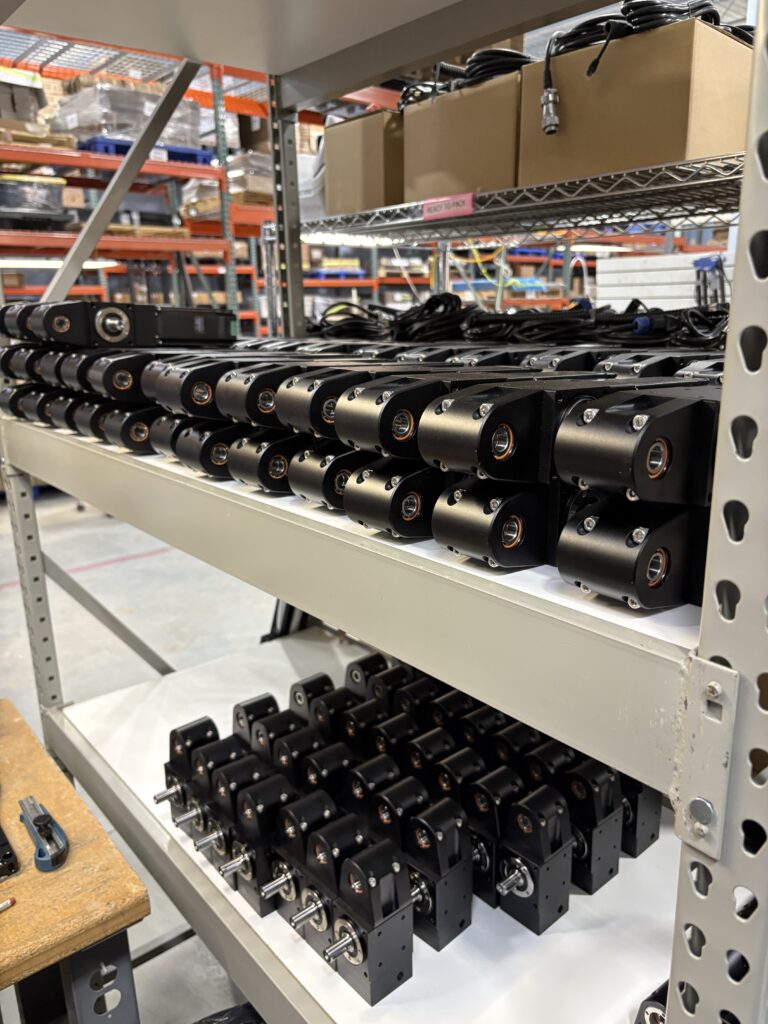
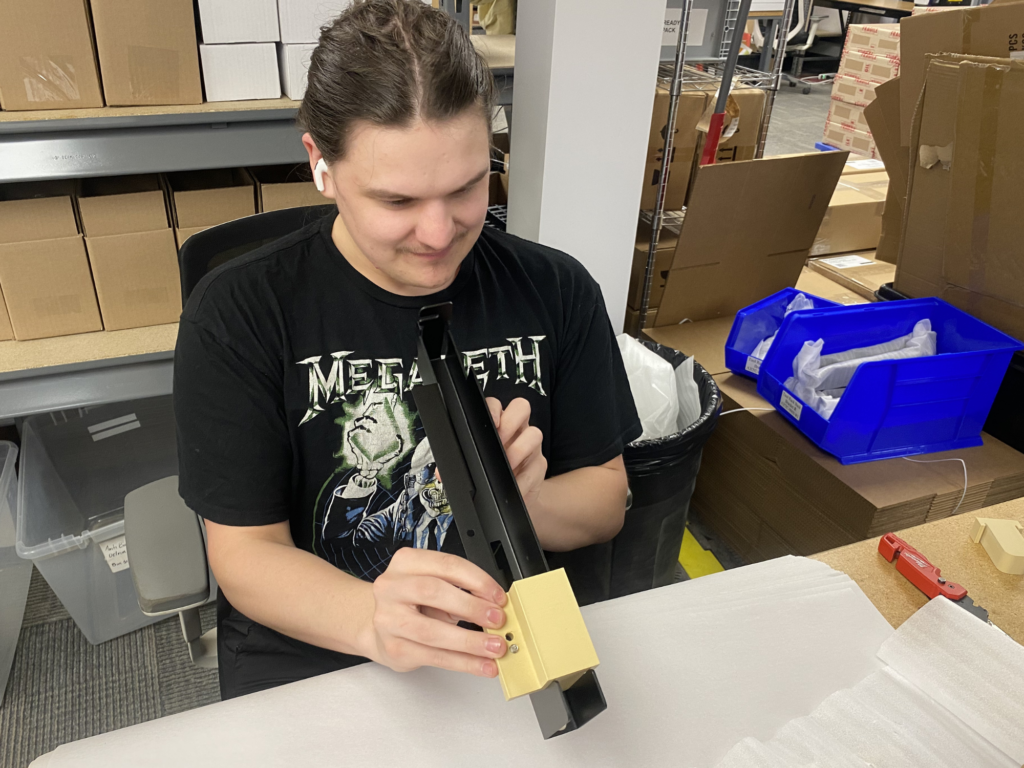
Assembled units for the gearbox and swing arm mechanisms

LongMill MK3

A lot of work/progress so far with the LongMill MK3, with most of the work done around general testing and reliability.

We have now completed a round of rigidity testing to compare between the LongMill MK3, LongMill MK2, and the AltMill. Check out the results on our blog. (TL;DR) = the LongMill MK3 is between 65-80% more rigid than the LongMill MK2, signifying a big jump in performance.

In other news, we continue to work on the development and production of the LongMill MK3. We have now ordered the majority of the components needed, with the exception of controllers and power supplies which are still in development. Based on current timelines, we expect to open up pre-orders mid-May, and start shipping in and around July.

Deflection testing on the LongMill MK3

In other news, we’re clearing out of the last set of LongMill MK2.5s . We have around 50 of the 30×30 and 50 of the 48×30 in stock, so if you are looking to get one of those machines, they’ll probably still be available for the next few weeks before we sell out.

SLB-EXT V2 and SLB-LITE

We have made a few key decisions around the SLB family of controllers. First, naming:

SLB-EXT V2: The new successor to the original SLB-EXT currently used on the AltMill. The SLB-EXT V2 is designed specifically for the AltMill and power handling of 48V.

SLB-LITE: Designed specifically for 24V architecture of the LongMill.

Wire management with the new SLB-EXT case

Our first prototype boards have been produced! We will go through initial flashing and testing of the new board over the next few weeks in April, and make revisions as needed before going into production.

First prototype boards

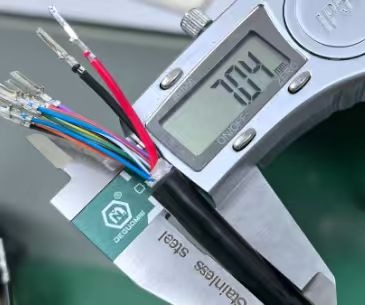
Additionally, new molded cable samples have been made with a nominal width of 7mm, over our current nylon sheath design with a width of 10-12mm. Why did we unify all of the cables into one mold? Because:

  • Simplifies wire management
  • Makes wiring of the machine during the assembly process more intuitive
  • Allows more space in the drag chain for additional cables and accessories

Auto Tool Changer

The ATC production is now in full swing as we get prepared to ship out existing orders. We have set up production stations to start with assembly and we are building our first units now.

Unfortunately we are continuing to work on a few straggling details in preparation for shipping, and we expect that we will begin shipping in the third week of April. Some outstanding tasks include:

  • Completion of the resources and installation guides
  • Completion of the new firmware testing

Otherwise the completion of the hardware production and assembly for the first batch of ATCs are scheduled to complete on April 10th April 17th, in tandem with the 4x8s.

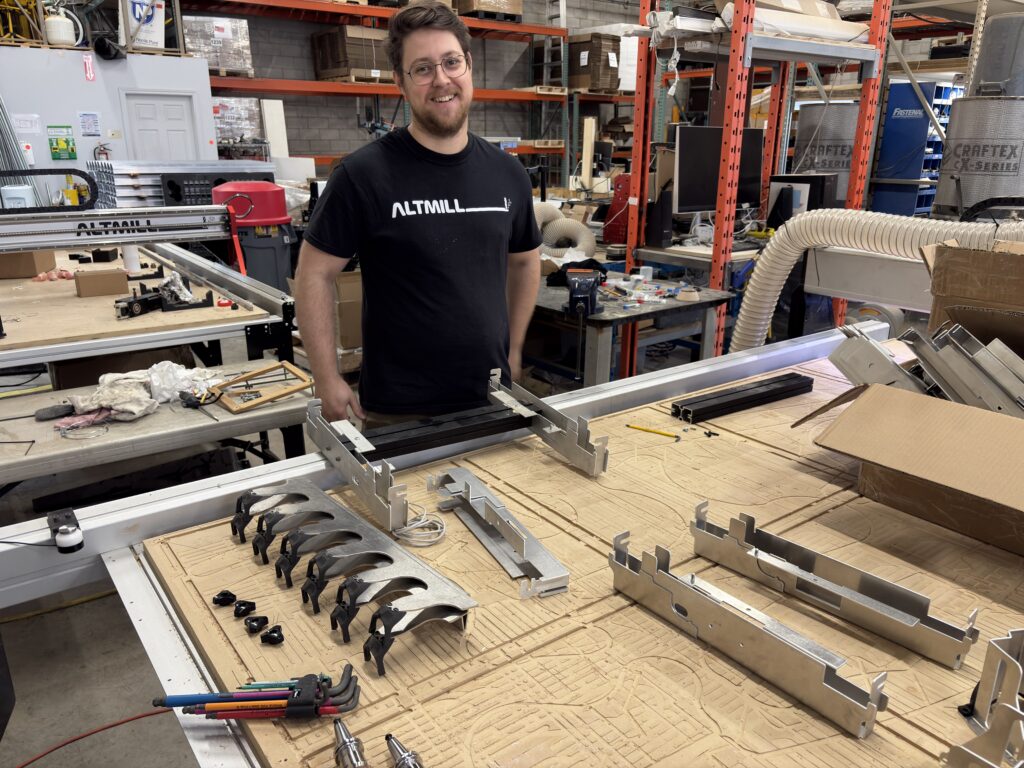
I’m also excited to share that we’ve also implemented a new station with the ATC to machine some aluminum parts in house. We’re expecting to slowly integrate more parts over time that we can machine in house to give us an opportunity to stress test our machines and products, as well as give us more production flexibility or adjust designs more quickly as needed.

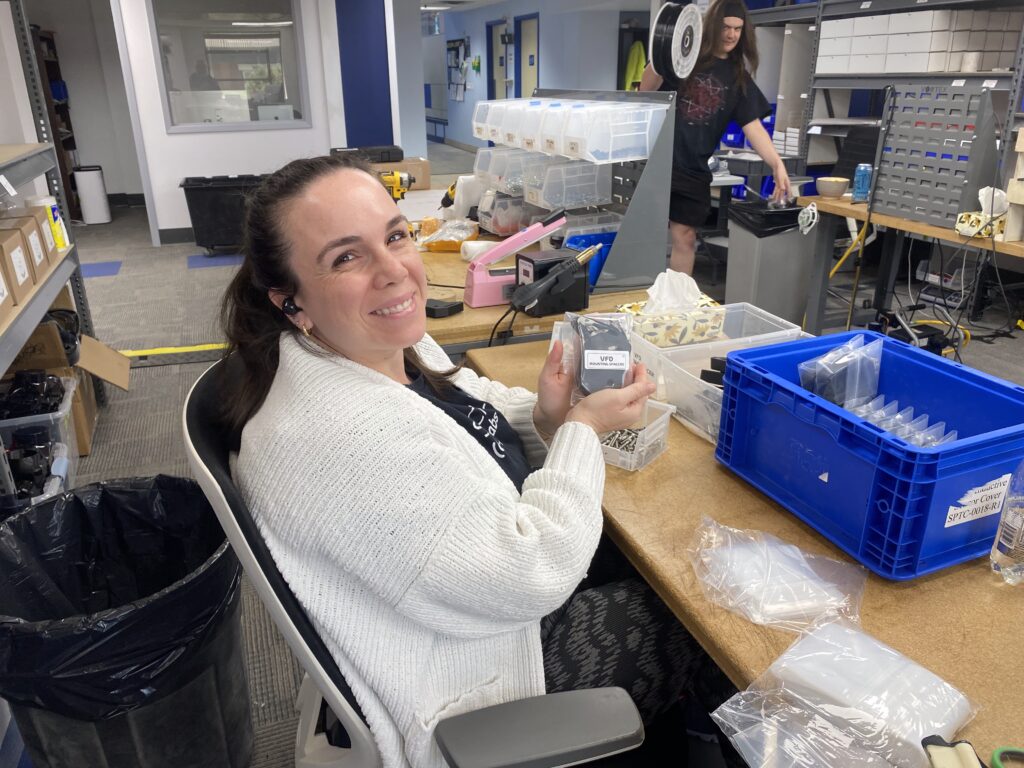
Nini prepping ATCs for testing
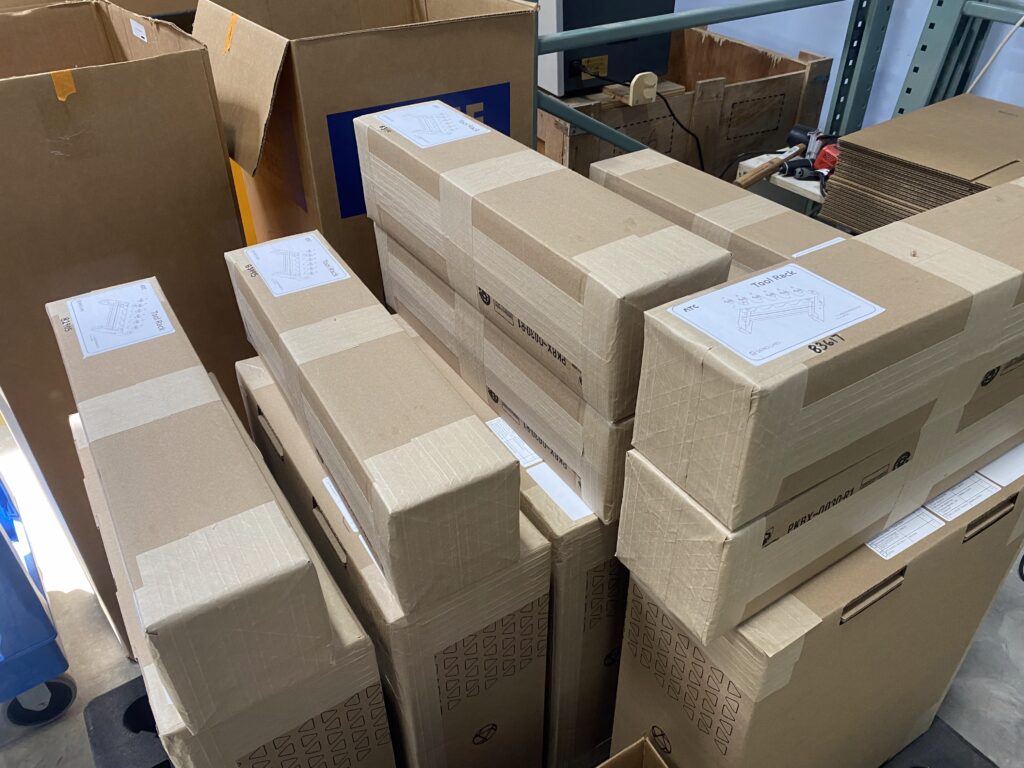
Ethan checking for Tool Rack defects with a jig
Next step is testing before shipment

Rigidity Testing on the LongMill MK3

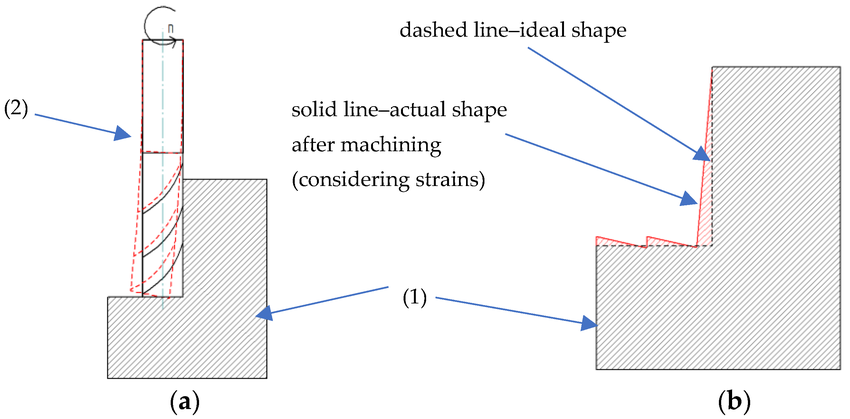
Testing the amount of deflection a machine experiences at different loads, aka the rigidity, is a good way to predict the overall performance of a CNC machine. When it comes to using a CNC machine, two primary objectives are to make the part accurately and quickly. One major contributing factor to the precision of a part has to do with how much the end mill deflects away from the programmed path. The end mill on a more rigid machine will deflect less than on a less rigid machine given the same feeds and speeds, and thus produce a part that is more accurate. Alternatively, a user can run their machine faster while still producing a part of acceptable quality on a more rigid machine.

A diagram showing the effect of tool deflection and how it affects the geometry of a simple part

Perhaps a common example of how this affects a simple part of a CNCed design would be holes. Holes cut on a CNC machine tend to come out undersized, because the material on the walls of the hole push the machine and endmill towards the center.

It should be noted that deflection exists in all machines, it’s just a matter of how much. To improve tolerances, it’s common to do a “roughing” pass, which removes the bulk of the material, and then a “finishing” pass, which removes a small amount of material at the end, minimizing deflection to bring the part to final shape.

The state of the market & why we’re sharing results

As we discussed in one of our prior blog posts, there isn’t, as far as we can tell, a standardized method for testing machine deflection in the hobby CNC space.

We are able to glean general comparisons between our machines and other machines in the market by test results posted by other members of the community. As time has gone on, here are some of my personal opinions on why that is the case:

It’s hard to give context on what the rigidity numbers mean.

For most of the practical testing range, deflection is not visible to the naked eye. A lot of times, people will demonstrate standing on their machine as a demonstration of rigidity, maybe even standing on it while it’s cutting. This doesn’t really show how rigid the machine actually is, because you can’t see how much the machine is deflecting from a distance.

Additionally, just because a machine is bigger and heavier doesn’t necessarily mean that it has less deflection. Some areas of a machine’s design can affect the overall accuracy of the machine, even though it may seem insignificant at first glance. For example, from our comparisons between computer simulations and real life testing, we’re able to see that things like bolt tolerance and mechanical components shifting around under load can actually play a pretty big role in the overall deflection values. All this to say, you could have a super rigid machine, but have a weak or loose part of it, just that one part alone can have a major impact on the overall machine rigidity.

Rigidity is less important that we think it is.

Owning and using a CNC machine isn’t just about how rigid or fast it cuts. The whole experience is important, from the setup, assembly, software control, and overall reliability. For the average hobbyist, if a CNC project takes 45 minutes to cut instead of 30, does it really make a huge difference?

Return on investment in a higher degree of engineering requires high volumes to experience

Lastly, with us expecting to build a very high volume of CNC machines, a small design improvement affects a lot of users. For machines built at lower quantities or DIY machines, it’s cheaper and easier to over-engineer the machine rather than optimize it, since the cost of engineering time is higher than the cost of buying bigger or better components.

Testing process

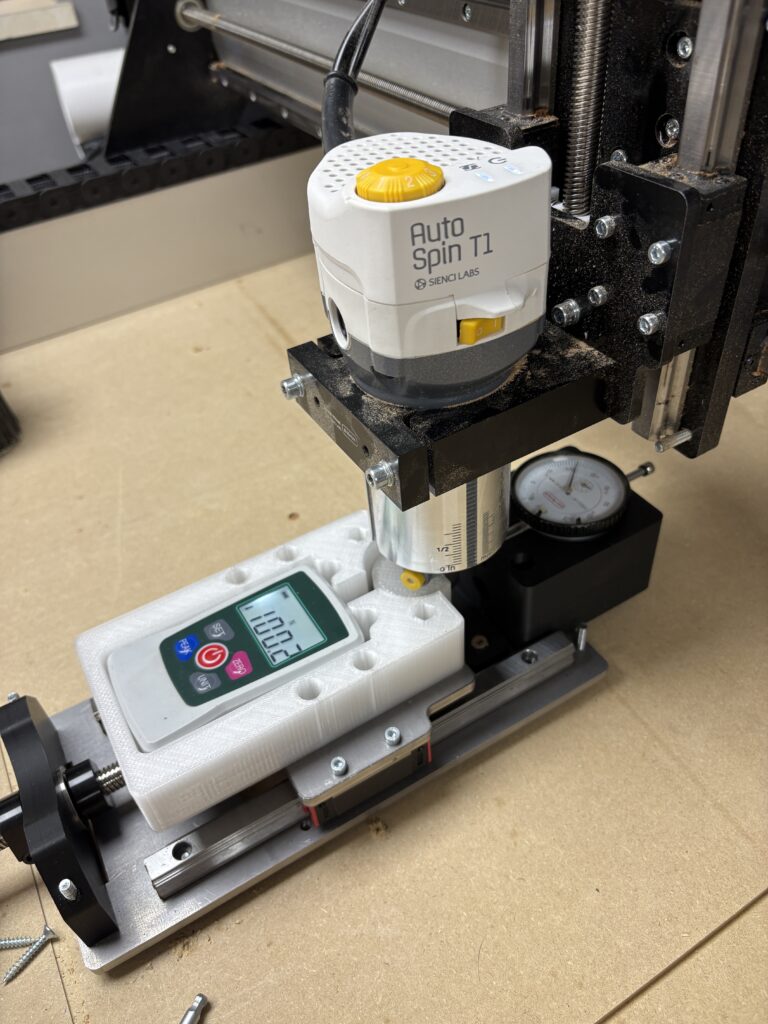
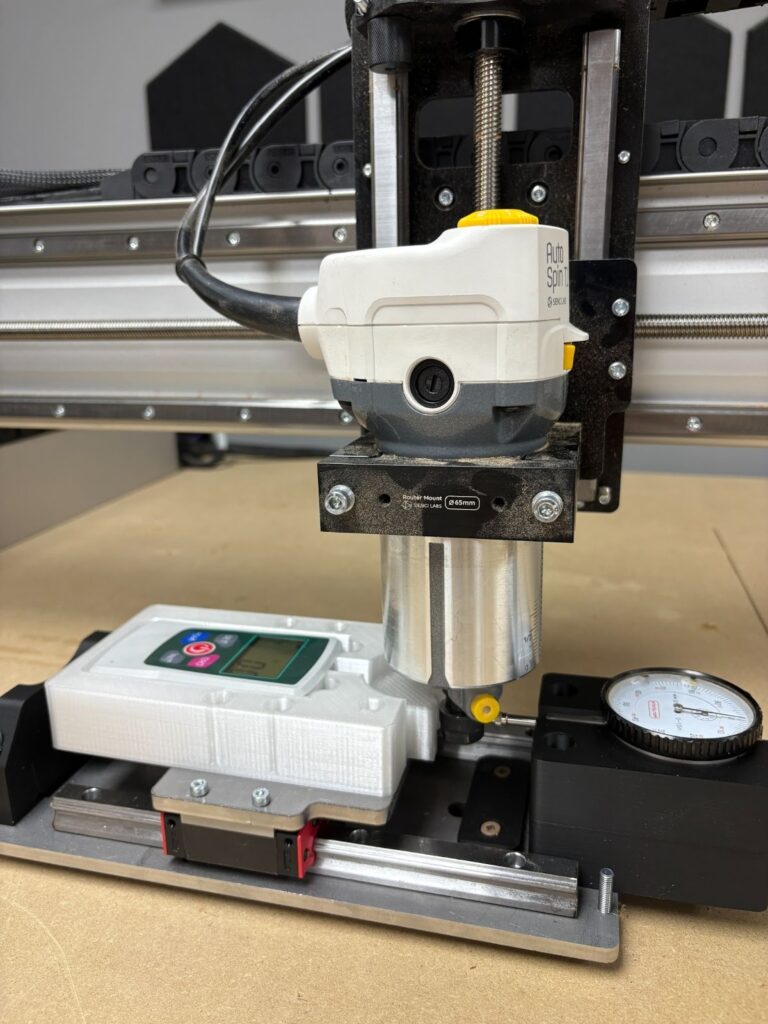
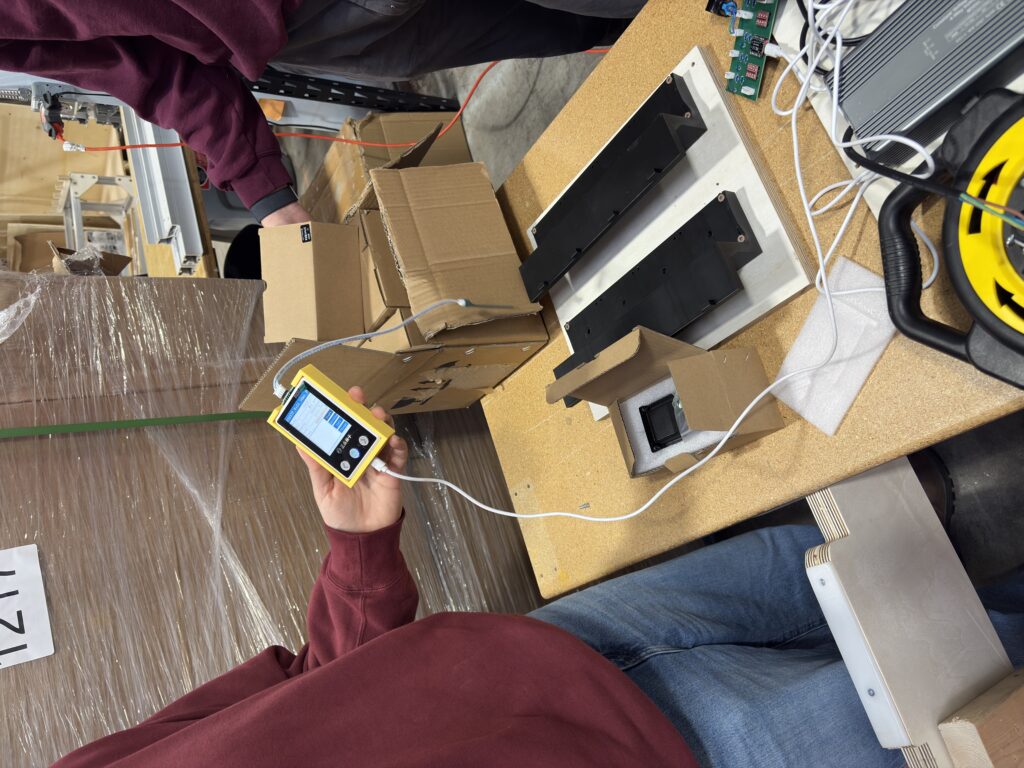
We built a simple testing jig using old prototype parts from the LongMill MK3. We have a force gauge on the moving gantry and the dial indicator on the other. When we turn the lead screw to push the force gauge against the router, it moves the dial indicator some amount. The more that the dial indicator moves, the more the machine is deflecting.

Getting straight to the results & comparisons

As we can see from our results below, we have around 65-80% improvements in rigidity between the LongMill MK2 to the LongMill MK3. 

(Past Data and writeup for the LongMill MK2 from 2022.)

LongMill MK3 48×30
Force Applied (N)Force Applied (lbs)Positive X (thou)Negative X (thou)Positive Y (thou)Negative Y (thou)
255.624.5589
5011.2410101112
7516.8616151718
10022.4822212425
AltMill 4×4
Force Applied (N)Force Applied (lbs)Positive X (thou)Negative X (thou)Positive Y (thou)Negative Y (thou)
255.621111
5011.242343
7516.864455
10022.487667
LongMill MK2 48×30
Force Applied (N)Force Applied (lbs)Positive X (thou)Negative X (thou)Positive Y (thou)Negative Y (thou)
102.2482.8NA3.2NA
255.62~7NA~10NA
5011.2414.2NA20.7NA
Comparison at 25N/5.62lbs
Positive X (thou)Positive Y (thou)
LongMill MK2 48×30 (extrapolated)710
LongMill MK3 48×304.58
AltMill 4×411
Comparison at 50N/11.24lbs
Positive X (thou)Positive Y (thou)
LongMill MK2 48×3014.220.7
LongMill MK3 48×301011
AltMill 4×424
Comparison at 25N/5.62lbs
Positive X (thou)Positive Y (thou)
LongMill MK2 48×30 (extrapolated)710
LongMill MK3 48×304.58
Difference (thou)2.52
Difference (%)64.29%80.00%
Comparison at 50N/11.24lbs
Positive X (thou)Positive Y (thou)
LongMill MK2 48×3014.220.7
LongMill MK3 48×301011
Difference (thou)4.29.7
Difference (%)70.42%64.29%

Expected Loads

To get an idea of what sort of loads a machine will experience in cutting:

Basic glossary

Axial engagement (AP) = depth of cut

Radial engagement (AE) = stepover/width of cut

Linear feed (VF) = feedrate

Transverse force = forces perpendicular to feed

Feed force = force needed to push the bit through the material

Axial force = up and down (in the Z axis) forces

Generic ¼” end mill

For a list of recommended feeds and speeds for our general selection of end mills, please see our guide here: https://resources.sienci.com/wp-content/uploads/2022/10/FeedsSpeedsMetric.pdf

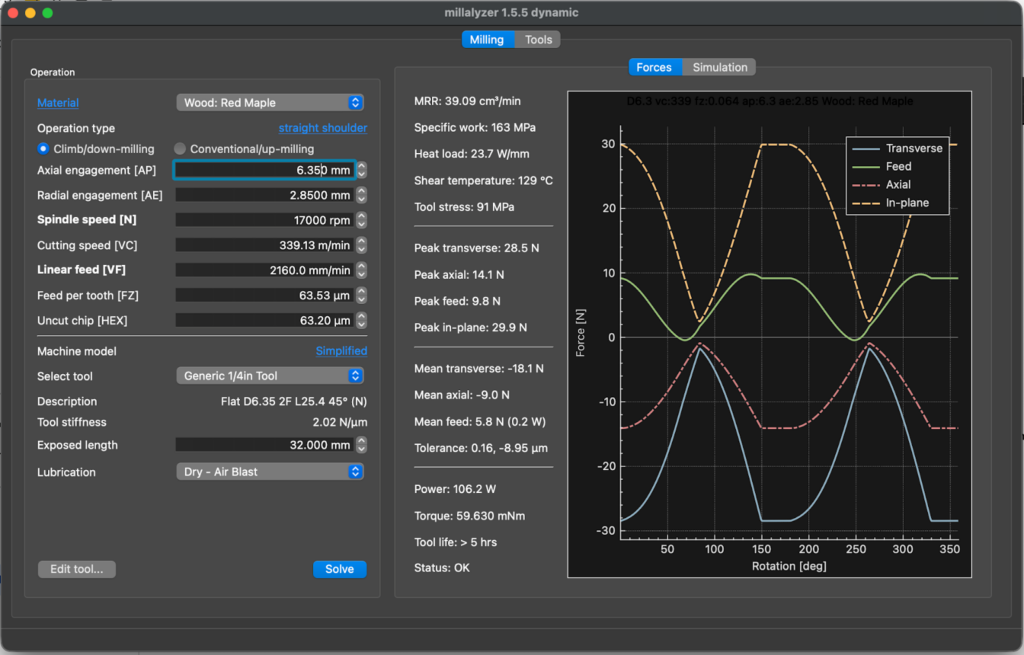
Settings based on recommended feeds and speeds

Settings based on recommended feeds and speeds

Same settings as above but with a 6.35mm step down

Same settings as above but with a 6.35mm step down

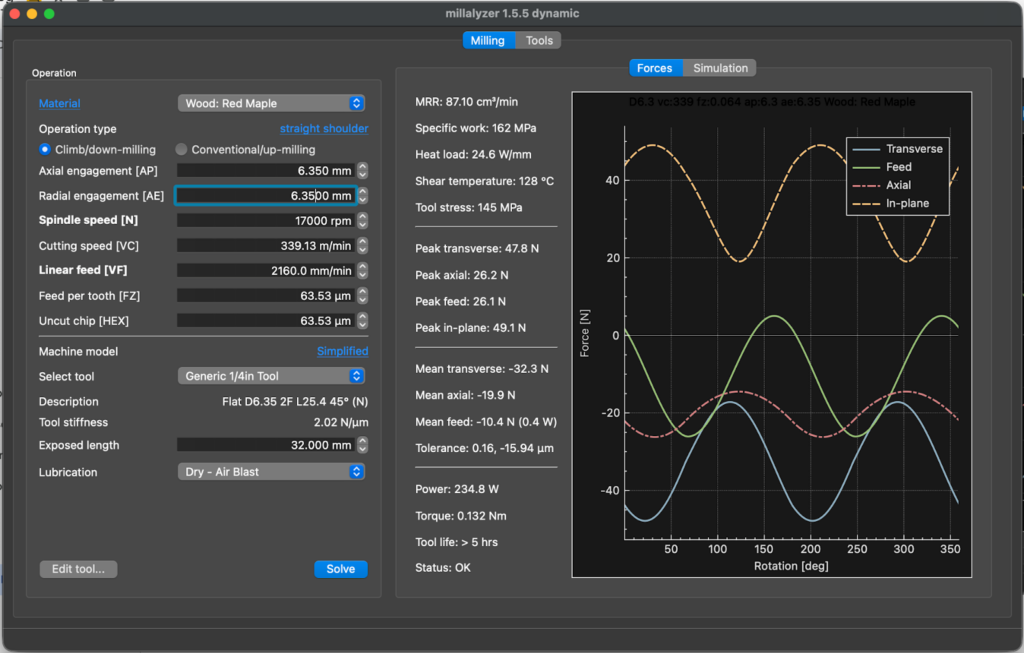
Same settings as above but with 6.35mm step down and 6.35mm step over (full slot)

Same settings as above but with 6.35mm step down and 6.35mm step over (full slot)

We will refer to some of these values in our discussion below.

Balancing machine performance and cost

Building a machine to be rigid and powerful is easy, but making a machine rigid and powerful on a budget is hard. To optimize the design of a machine, we take many factors into account. 

Acceptable deflection

As my electrical engineering professor used to say, in science, 5 = 5, but in engineering, 5 = 5, plus or minus a tolerance, which is to say, whenever we cut out a part, we should expect some deviance in the size of that part, and we need to decide and understand how much deviance we can accept. 

In the scope of woodworking, I believe anything under 0.005” (5 thousandths of an inch) to be “very very accurate”. For context, 0.005” is 6.25x smaller than 1/32”, or about a sheet and a half paper thick. 

LongMill MK3 48×30
Force Applied (N)Force Applied (lbs)Positive X (thou)Negative X (thou)Positive Y (thou)Negative Y (thou)
255.624.5589
5011.2410101112
7516.8616151718
10022.4822212425

If we look at the range of deflection at different forces, we can determine that we should aim to keep forces to under 25N to be within the 0.005” deflection range. 

Motor power

In our testing, we also measured the maximum force that the motor can apply to each axis. On the X axis (one motor), we measured the force to be around 600N, or 135lbs. On the Y axis, 256lbs.

Each motor must resist internal machine forces, such as the friction from the lead screws, bearings, and linear guides, as well as control the inertia of the machine itself. Additionally, the motor must push the end mill through the material at varying forces.

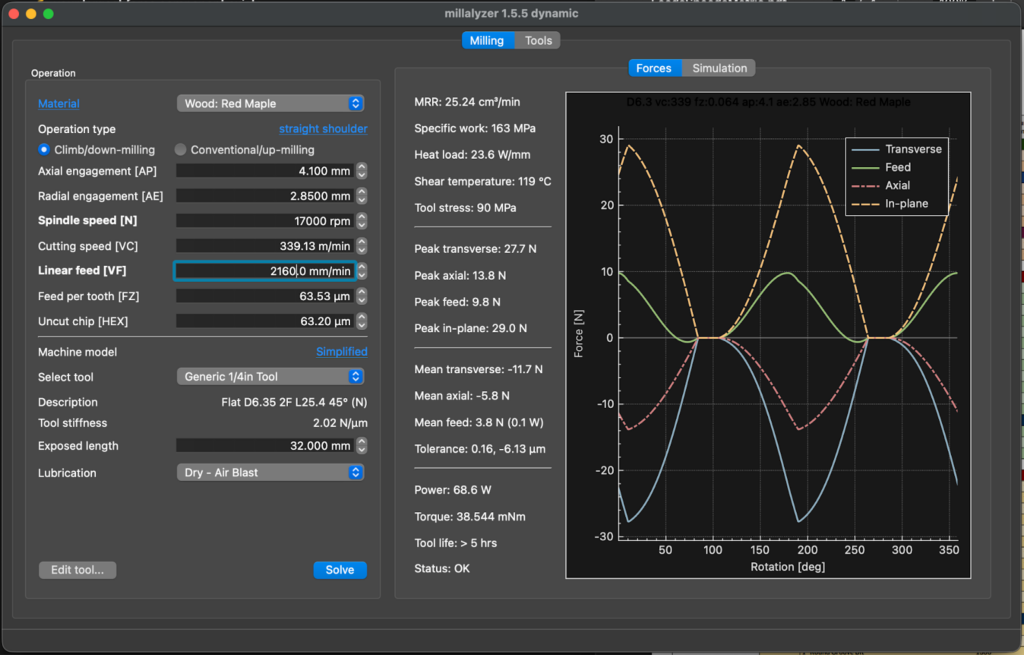
The mean and peak feed forces from Millalyser give us an idea on what those forces are (3.8N-10.4N). Based on these calculations, the motor forces are far higher than the expected loads from cutting.

A few notes:

  • We have 1.2NM motors on all axis, which will be the same as the ones used on the LongMill MK3 in production.
  • We used a 48V power supply, instead of a 24V power supply in production

Given how much more powerful the motors are, we believe that running the machines in 24V will not make a difference in overall performance. Because the 24V power supply and SLB-LITE designed specifically for the LongMill MK3 is significantly less expensive than the 48V architecture used on the AltMill, it makes sense to go down this route.

Spindle/router power

Through our AutoSpin T1 project, we did a significant amount of testing and research around spindle and router power, even going as far as building our own dynamometer to test true power output of different routers and spindles. Millalyzer also gives us an idea on the range of power draw needed from the router, ranging from 68.6 watts to 234.8 watts. 

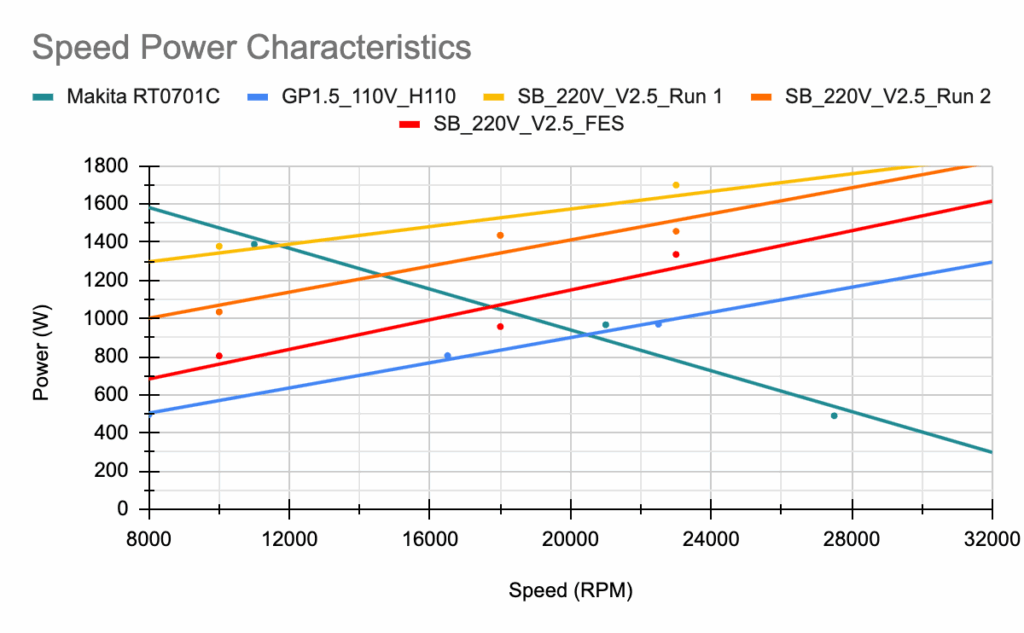
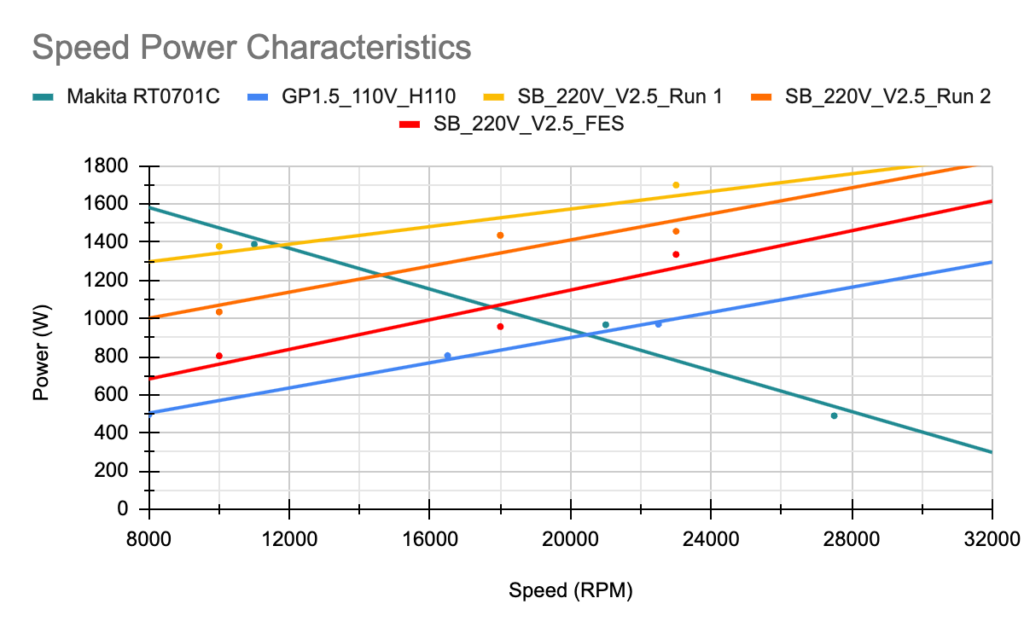
The green line shows that the Makita RT0701 can push around 1600 watts of power until dropping down to around 350 watts of power at 32,000RPM. A typical 1.5KW spindle progressively increases power output as the RPMs get higher.

We can ensure that the spindle or router used with the LongMill MK3 is capable enough by comparing the estimated power draw from Millalyser to our measured output line. In either case, both the Makita RT0701 or 1.5KW spindle is more than capable of producing enough power. 

Our LongMill 1.5KW spindle kit costs around $650USD versus AutoSpin T1 is around $150USD, which is a 4x difference. Users can use either option, but we believe that the AutoSpin T1 is adequate for this application with the added benefit of the lower cost.

AltMill vs LongMill MK3 comparison

As it stands, the AltMill is approximately 2-4x more rigid than the LongMill. This is largely due to:

  • Thicker and heavier structure on the AltMill
  • Higher mass of the machine on the AltMill 

If performance and rigidity is very important to you, the AltMill does provide much more in that way. 

There are some practical considerations to make when it comes to actual differences in cutting, such as:

  • This is something I learned people call the “pucker-factor”, which is that people may not be so inclined to push their machine as hard as they can because of a lack of confidence.
  • Tools have a limit to how hard they can cut because they can deflect and break as well

Overall, I expect the practical cutting performance of the AltMill to be around 2x of the LongMill MK3.

If you’re cross shopping between the LongMill and AltMill, here are the prices to consider:

LongMill 30×30 ~$1390USD or $1870CAD

LongMill 48×30 ~ $1790USD or $2410CAD

AltMill 2×4 ~ $2790USD or $3890CAD

AltMill 4×4 ~ $3160USD or $4290CAD

…so between LongMill MK3 48×30 vs AltMill 2×4, which I think is the closest comparison based on working area, the price difference is around $1000USD, or comparing the 4×4, $1370USD.

We should also note that the AltMill also requires a spindle, larger tooling, and higher power dust collection to get the maximum performance, which can increase the cost difference when comparing between total setup costs.

Conclusions

With improvements to the machine rigidity and motor power, we expect users to be able to cut much faster and reliably compared to the LongMil MK1 and MK2. A significant amount of work and consideration has been made to improve performance overall while keeping the price the same as the older generation.

While this article only covered testing around rigidity, make sure to stay tuned on discussions of other improvements for the LongMill MK3, including easier assembly, maintenance, and electronics as well!

We hope you enjoyed this report on the LongMill MK3 design and performance!

March 2026 Production Updates

Hello there, welcome to our March 2026 Production Updates!

AltMill 2×4 and 4×4

Lead times for 2×4 and 4×4 machines are now fairly short, with most machines shipping out within 2 weeks. Lead times for 1.5KW and 2.2KW spindle kits may vary. 2.2KW spindles for the AltMill are expected to ship in approximately 1-2 weeks as well. 1.5KW spindles are backordered, and are expected to be restocked in mid-to-late April. We will provide a more detailed update on the product page once we have more details.

Orders for AltMill 2×4 and 4×4 will ship out separately, which means that users can assemble their machines ahead of time.

Office Expansion

We just expanded our office again! Mid-last year, our upstairs neighbours moved out so we took over around 6000sqft. There was also a part of the office with a stairway that lead to nowhere. Now, that stairway leads somewhere! We are knocking down that wall to take over a portion of our next door neighbour as well. This move adds another 2000-3000sqft, which will be used for some assembly work, especially for electronics, as it is more isolated to the larger office and we can reduce the amount of dust for those parts.

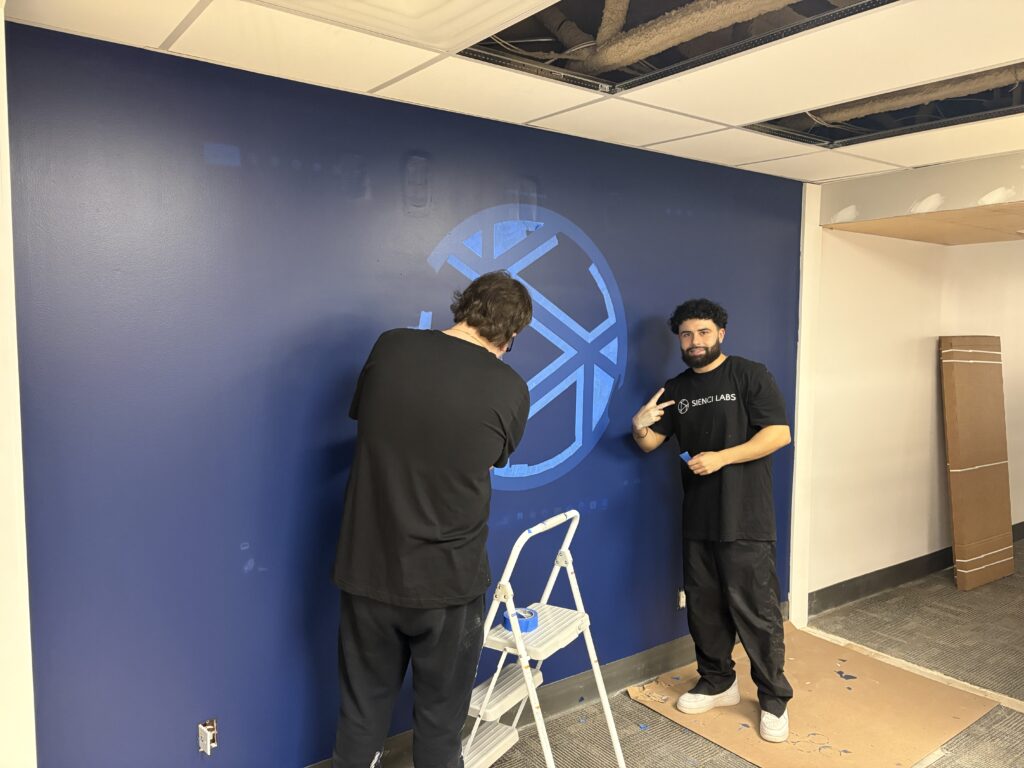
Painting the new office expansion

LongMill MK3 Development

LongMill MK3 development continues to chug along.

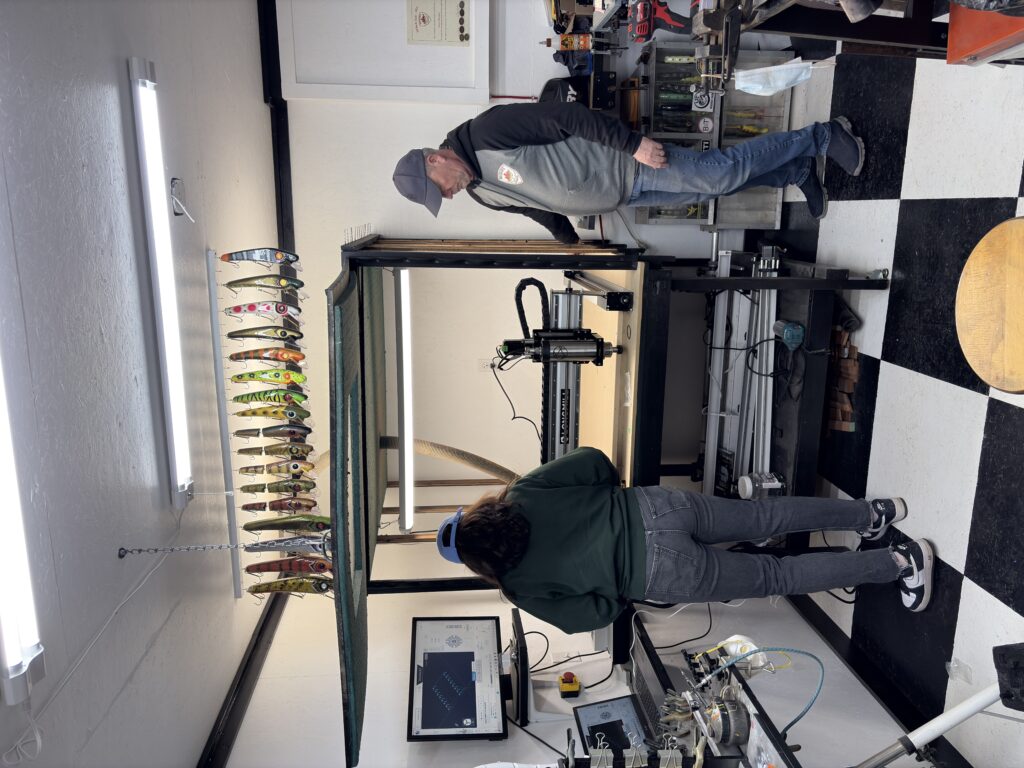
Setting up the first LongMill MK3 with Dave

We set up our first machine with our beta tester, Dave! Since he’s our first beta tester, we learned a few things, including:

  • Starting the Y gantries at the front of the machine makes it easier to put on the X rail, especially if you have limited access to the back of the machine.
  • Putting the X rail onto the Y gantry can be a bit finicky. We are potentially going to update the design of the Y gantries to allow the rail to drop in sort of like the AltMill.

Other changes and updates in progress include:

  • Redesigned Z-motor mount to allow the inductive sensor to sit higher up, allowing for more travel.

We are still looking to onboard and work with two more beta testers, which should happen in the coming weeks.

Prototype LongMill MK3 48×30

We are also slowly starting production on some of the major, long lead time components in the coming weeks.

Additionally, we are coming close to the end of the LongMill MK2.5 batch. Once we have sold out on the remaining machines, we will not have LongMills available for sale until the new batch of MK3 machines start shipping. We are currently checking inventory to confirm how much longer we have, but we estimate approximately 1-2 months of stock remaining currently. LongMill MK2.5 machines are shipping within a week.

SLB-EXT V2

The development of the new controller continues to be underway. For those not up to date, we are working on a new version of the SLB to be better optimized for cost and manufacturing, while still keeping the same functionality of the original SLB.

Continued development of the SLB-EXT

A ton more work done with the new SLB, including:

  • Updated layouts for the traces and components
  • Design and development of the advanced breakoutboard
  • Design of new plugs and cables to improve wire management

We will start the process of making a batch of prototype boards and conducting testing in the coming weeks.

Rendered mockup

AltMill 4×8

As of Feb 23rd, we have received all of the parts needed to start building 4×8 machines, with the exception of some screws and small straggler parts such as some allen keys, warning labels, etc. Much of the work is currently with testing and QA for incoming components, as well as working on the setup for the rest of the production area to get ready for assembly of major components in the next week or so.

Mike with the 4×8 AltMill Y rail assembly station
Closer look at the AltMill 4×8 rack and pinion assembly station

Automatic Tool Changer

We have now received the majority of the parts needed for ATC production and are currently putting together space for the assembly and testing. We are expecting to start shipping out ATCs at the end of March, which will be a few weeks delayed compared to our original anticipated delivery time. Macros for the ATC, which are programs for controlling the ATC functionality can now be found online here: https://github.com/Sienci-Labs/atci_macros. We are also expecting to have updated versions of gSender plus online resources complete by shipping time, so the small delay is allowing us to get some of those things polished up.

#image_title

Clear Cut Dust Shoe

We’re excited to announce that the Clear Cut Dust Shoe is now available for sale! However due to higher than expected demand, the ~150 units we had stock were sold out within 24 hours, plus more with units that were sold with spindle kits.

We’ve put a pause on selling Clear Cut Dust Shoes individually for now, and we are currently working on ramping up production on that. We have a separate amount of stock for the spindle kits, so that we will ensure they are included on all of the spindle kits we ship on a 1:1 basis. We’ll have another announcement coming out soon to let everyone know the production schedule for the new dust shoes.

Informal Call for New Staff

I want to put some feelers out in the community for someone looking for jobs/roles in finance and HR. Up till now, we’ve/I’ve been managing this side of things since our company is not quite large enough to have someone fill this role full time, but given how things are going, I feel like we need to look in earnest for people to fill some of our company admin roles.

If you feel like you might be a good fit in a finance or HR type position at a startup or small company like Sienci Labs, feel free to send in an application here: https://sienci.com/work/

Oh also, we are looking for an electronics/embedded design engineer as well, so feel free to apply for that as well.

February 2026 Production Updates

Hey everyone, welcome back to our February 2026 Production Updates!

10th Anniversary

AutoSpin T1 Has Launched

We’re excited to finally launch the AutoSpin T1! Learn more about it here: https://sienci.com/2026/01/20/everything-you-need-to-know-about-the-autospin-t1-router/

We received our shipment of approximately 2000 units on February 2 (it was supposed to be mid- February) and will get routers shipped out to customers shortly after.

AltMill 4×8 Production

We continue to wait and prep for the arrival of AltMill 4×8 components. Based on our schedules, the last remaining parts for the 4×8 are scheduled to arrive between Feb 20th to March 6th. Other parts are expected to arrive sooner, which means that assembly for the first units will start approximately mid-February, allowing us to make progress in advance before all parts arrive.

In other news, resources for the 4×8 assembly continue to be worked on, with filming for the assembly video scheduled for the second or third week of February in preparation for customers to start receiving their machines in March.

LongMill MK3 Development

Thank you all for the overwhelming response of applications for LongMill MK3 beta testing. We’ve now received the rails and started internal testing. We will be sending out beta testing units to selected individuals in the next few weeks.

First functioning prototype build of the LongMill MK3

As it stands, we’re super excited about the LongMill MK3 as we expect to bring a massive leap in performance over the LongMill MK2 and 2.5, while keeping it at a super competitive price point. Some additional work we’re doing to bring down BOM costs include:

  • An easier to manufacture, significantly improved dust shoe with easy to replace bristles. This means not only is the overall cost of the dust shoe less, but users can extend the life of their dust shoe by replacing just the bristles. We will provide users with extra bristle in each kit.
  • Integrated cables. With current cables being a combined bundle of motor signals, power, and inductive sensor signals sheathed in one nylon cover, we’re looking at molding a single cable to reduce the overall unit cost of the total cable.
  • SLB-Lite. With the SLB-EXT being a major cost in the total BOM cost of the LongMill MK3, development (see in the next section of the article) is expected to keep all of the core functionality of the SLB and SLB-EXT, in a smaller, lighter, and more affordable package.

SLB-Lite

In our discussion about the LongMill electronics, we mentioned, especially with the Closed Loop Stepper Kit, that the overall cost of the electronics currently makes up a significant portion of the LongMill MK3 bill of materials. This is primarily because the electronics were specced and designed for the AltMill. However, for the smaller and less power hungry LongMill, the AltMill electronics are functional but overkill for the application.

Peter and Daniel and have continued to work on the newest generation of electronics to act as the successor to the SLB-EXT used in the AltMill. We expect a number of improvements for the new controller, currently code-named “SLB-Lite”, including:

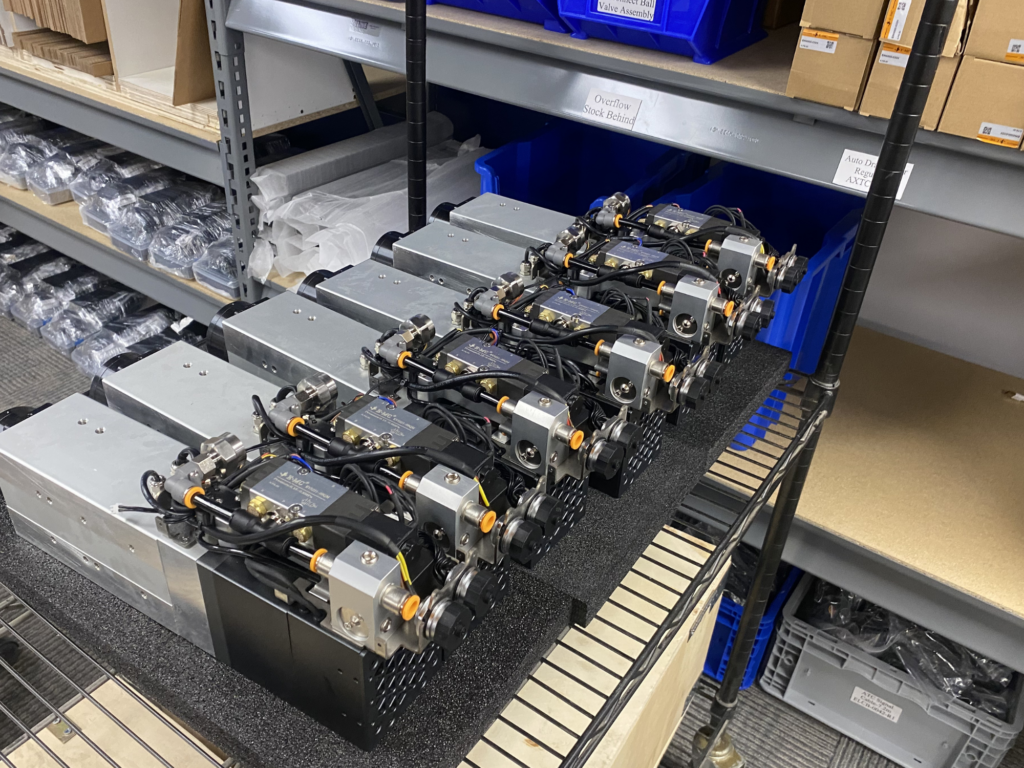
  • Lower cost, with the board expected to be around half the cost of the SLB-EXT
  • Improved wire management
  • Overall smaller footprint, allowing for lower shipping cost and easier integration into LongMills, AltMills, and other CNC machines.
  • Ability to use power supply voltages from 24V-48V and the ability to provide up to 100 watts per motor.
  • Ability to connect an additional board for added features and functionality beyond the SLB-Lite, while still being less expensive in combination than the SLB-EXT.

Lastly, by using the same controller on all of our CNC product lines, we expect to see savings through the economies of scale by essentially doubling the number of units produced. Plus we expect to reduce our inventory management costs with fewer unique components, and a more unified experience between the LongMill and AltMill lines.

Additionally, coming to all controllers is new SLB and SLB-EXT firmware, with overall performance and stability improvements, and specific features like faster and better handling of motor alarms and resetting, support for advanced plug-ins used for the Automatic Tool Changer, and unlocking of SD card features allowing for running gcode and files directly from the controller. More details on the new firmware and ability to have access to beta firmware before the wider launch available on our blog.

To coincide with SD card support, the upcoming gSender Edge (our beta version of gSender), will be coming out with the interface to communicate with the SD card. When both systems have been tested to be reliable, full support for the new firmware and all of the new improvements will come to the main version of gSender.

To hear Kevin talk about SD card support in the next gSender Edge release, check out this video here:

gControl Panel Computer Pricing Updates

Due to the recent RAM and memory shortages, pricing for the gControl has been increased. We are keeping an eye on the pricing for components as they change, and are hoping that pricing will come down soon. We will update pricing when RAM and memory prices come back to normal levels.

Certified VFDs are Now Shipping

After a long wait, certified VFDs have finally arrived and have undergone testing. Customers who are waiting on VFDs will receive them shortly.

ATCs Sells Out; New Batch Added

Due to higher than expected demand for the ATC, we have sold out of the first batch. Customers who place orders moving forward will be part of the second batch. The first batch is expected to start shipping in late March, and the second batch is expected to ship in June.

First look at production covers for the ATC.

Curious on how this whole ATC thing works? Check out Johann’s breakdown video here:

Everything You Need to Know About the AutoSpin T1 Router

The AutoSpin T1 is an exciting new product designed to mash spindle capabilities with a traditional router. In a way, you can think of this as a replacement for the Makita RT0701 router that has been the staple for so many hobby CNC machines. 

It also serves as an intermediate product for users considering a spindle. The AutoSpin T1 offers speed control and on/off functionality through a signal cable similar to a spindle, which allows several benefits including:

  • Improved safety, as the router can turn off when a cut finishes or is cancelled
  • On the fly router speed control, allowing users to change the speed without touching the router
  • Added convenience of being able to automatically turn on when a job starts

While spindle systems have continued to gain in popularity, many entry level CNC machines still continue to use a Makita RT0701 or similar style router. The AutoSpin T1 aims to cater to our most entry level and budget-sensitive group of users.

We initially designed this with the LongMill in mind, but we also recognize this style of router is commonly used in other machines, including Shapeokos, Onefinitys, XCarves and more. With the help of some of our broader community members, we’ve tested the AutoSpin T1 compatibility with many other hobby CNC machines, which means we can bring this technology to many more people.

Development

Although the concept behind the T1 is simple, this project is a culmination of many, many months of research development.

One of the key reasons for us to develop this router started when we experienced a small batch of Makita RT0701 routers having overheated bearing issues. We found that after a few minutes of use, some Makitas would have extremely hot collets, which we suspected was due to friction from the bearing holding the shank. Upon autopsy of the routers, we found that Makita started using bearings from two different manufacturers, one of which was the root of some of the overheating problems. 

This actually became such a growing issue that we actually ended up discussing bearing issues with product managers at Makita. We also did a ton of research and testing on different bearings and styles to ensure that when we went to build our own router it would not have the same issues. Given that we bundle a Makita router with most of our LongMills, we knew that we would have a large enough volume of AutoSpin routers to produce as replacements, which provided the motivation to develop our own.

Up to this point, the Makita RT0701 has, and still continues to be an extremely reliable router. We’ve had very few issues overall, even counting the overheating bearing issues. While we initially considered moving away from the universal motor system that the Makita uses, we eventually came back to the same system given how reliable, well used and inexpensive it was compared to other systems.

Speed Control Optimization

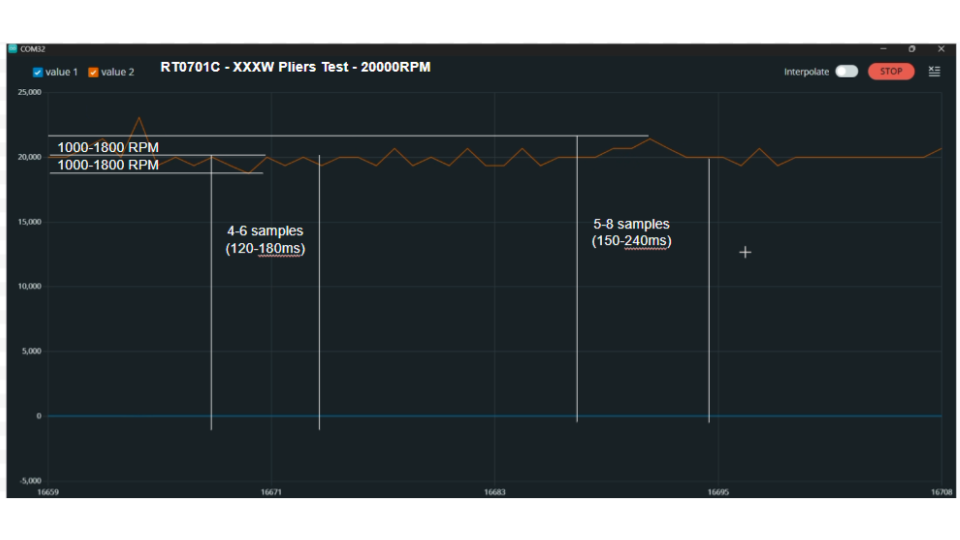
One of the most powerful features of the Makita router is its ability to compensate for load changes. With a traditional, uncontrolled motor, as soon as a load is applied, the speed of the motor goes down. In a CNC application, the load on the motor changes constantly, but the speed of the motor must stay the same to ensure that the chipload of the end mill can stay the same. This is especially difficult because the slower the end mill turns, the higher the load on the motor gets, which means that with an uncontrolled motor, a stall can happen pretty quickly under heavier loads. 

What we found was that the speed control of the Makita router was actually extremely good, with compensation happening less than 3/10ths of a second.

Speed Control Optimization

Given that we were working on building our own custom electronics to allow for the use of PWM speed control, a lot of tuning went into the motor to ensure a fast response. 

Lastly, with regards to PWM control, we also found out that we needed to ensure that our electronics supported a wide variety of PWM signals. We found that each controller had a different signal speed, which meant that we needed to ensure the motor controller itself needed to be able to interpret the signal reliably.

CNC Compatibility

Given the popularity of the Makita RT0701, we naturally built the body size of the router at 65mm and most of the shared dimensions. However, differences include:

  • A longer cable
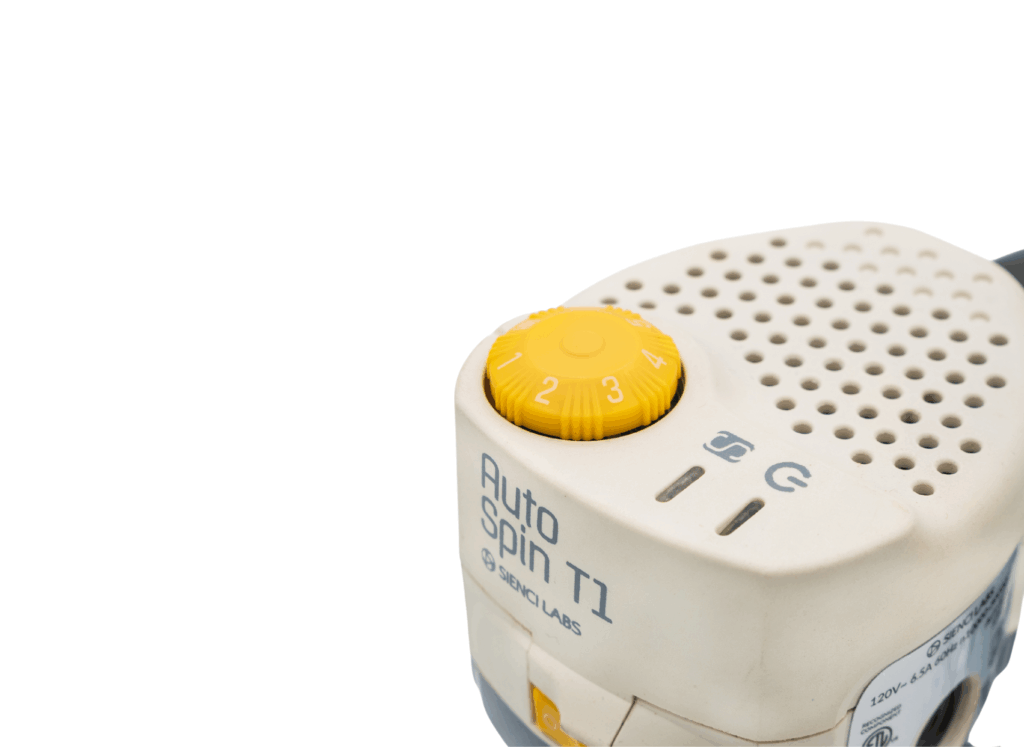
  • Detented speed potentiometer
AutoSpin T1 Router - RPM Dial
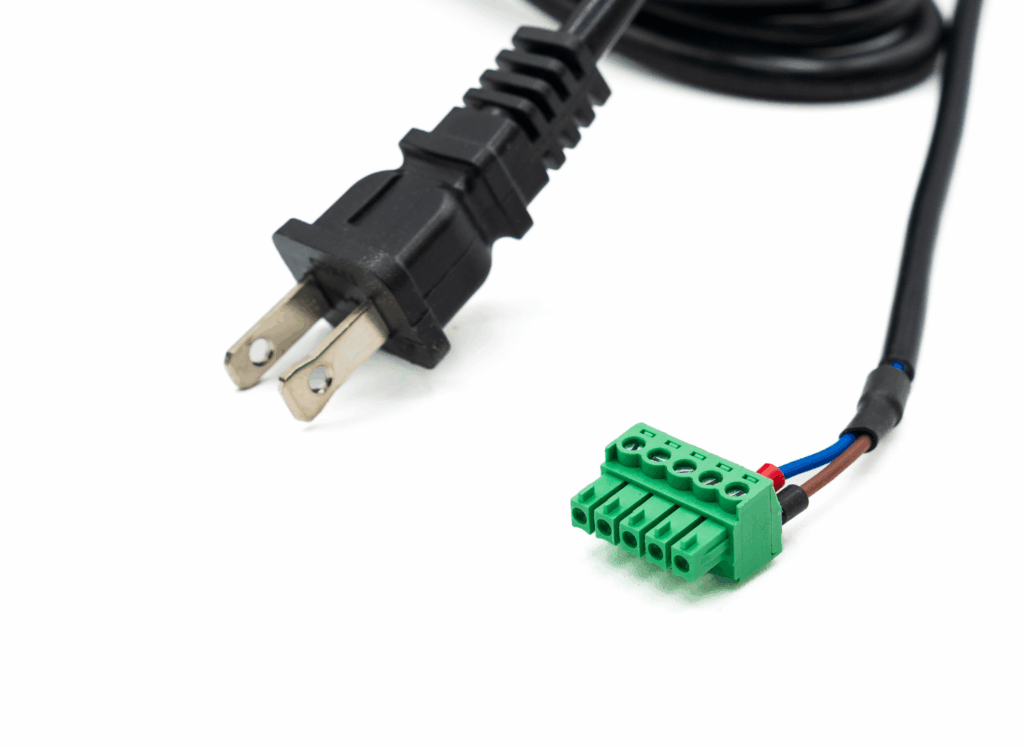
AutoSpin T1 Router - Cord and Connection

Additionally, we’ve created the wiring for the PWM signal cable to be adaptable with factory provided plugs to allow plug and play functionality with most common hobby CNC machines. Users can also hardwire their PWM signals.

Safety Compliance

To ensure that the product is safe and can be sold in North America, the AutoSpin T1 has been certified under UL1004-1 standards. Additionally, we believe that the AutoSpin is safer than the typical router, as it can be shut off and turned on remotely through the controller, which means that if the machine needs to be stopped in software, the controller can (and should) be configured to turn off the router automatically as well.

Who is this for?

The AutoSpin T1 is directed as a default option for low to middle end hobby CNC machines or a drop in replacement for hobby CNC machines that already use a similar 65mm size router. Here are some of the key features:

  • ER11 collet system, allowing for use of a standardized and readily available collet system
  • Higher quality bearings ensuring smoother operation and longevity over budget routers
  • Signal wire, allowing most hobby CNC controllers to control On/Off and speed between 10,000 to 30,000 RPMs, as well as the ability to be controlled manually
  • Longer AC cable

Controller Compatibility

The AutoSpin T1 has been tested with:

  • Masso controller
  • Buildbotics controller
  • The LongBoard (found in the MK1 and MK2)
  • SLB and SLB-EXT
  • Carbide 3D controller

Thank you to our beta testers for their testing and feedback!

Virtually any controller that has a 5V PWM output for spindle control will work with the AutoSpin T1.

The AutoSpin T1 can also work independently without using the controller for speed control. The AutoSpin T1 can be turned on and off, and have the speed be controlled with the potentiometer dial at the top of the router. To ensure reliable operation in manual mode, the potentiometer dial is detented, which prevents the dial from moving during cutting and high vibration operation.

Spindle vs AutoSpin T1

There are notable similarities and differences between spindles and the AutoSpin T1 that can help you determine what is right for you:

  • Spindles are generally more expensive than the AutoSpin
  • Spindles require more complicated wiring and setup
  • Spindles are generally quieter and efficient, and can output more power
  • Both can be turned on and off, as well as have their speed controlled by the CNC controller

The AutoSpin T1 is best for users who:

  • Want to have their setup be as simple and compact as possible
  • Already use and are happy with the power and versatility of a router
#image_title

Addressing Power Ratings

One of the biggest general considerations users will make between a router and spindle will revolve around power ratings. We believe the way that power ratings are advertised in the industry can be misleading and don’t tell the full picture of how a motor performs in real life.

Wattage: Most spindles and routers will have a power rating in watts. Common wattages are 1.5KW and 2.2KW for some entry level spindles. For the Makita RT0701, you’ll see 1.25HP as the rated power. For all of these ratings, they typically indicate the peak input wattage. This indicates the maximum amount of power the motor can handle for a short period of time. This doesn’t indicate how long it can handle it for or under what conditions. 

Like car engines, there is a relationship between power output, torque and speed. In a standard 3 phase spindle, torque generally remains flat in the operating speed of the motor, and only reaches peak output power at its maximum speed. This means that the spindle at a lower RPM does not fully use its capacity.

For the universal motor in the AutoSpin T1, the torque of the motor is highest at its minimum RPM, and diminishes as the speed increases. 

In practice, this means that a router can actually perform quite well, especially at lower speeds. As you can see in the graph, the green line shows the line power output of the Makita RT0701 and the blue line shows a typical 1.5KW spindle. And as we’ve noted in our tests, the cutting performance actually lines up with the tests, where it is easier to stall a spindle at low RPM compared to a router. 

#image_title

Another thing to note is the rating system used for power tools in general. You can often see tools rated for 1.25HP, 2HP, and even 3HP at times. Based on a typical 120V 15A outlet found in North America, we can reasonably expect 1800 watts, or about 2.4HP. The reason why power tools can be rated so high is because a circuit can handle above 1800 watts momentarily without the circuit tripping. So as we mentioned earlier, these ratings are for peak power, not average or constant power. 

Due to this, in the eyes of the certification, the motor is only “rated” for an output of approximately 350 watts at 30,000RPM, even though in practice, this can vary widely.

All this is to say that in practice, when working with typical tooling up to ¼” (which is what we expect most users to be working with the ER11 collet system) users will find the power of the AutoSpin more than adequate.

Makita RT0701 vs AutoSpin T1

There are also some notable similarities and differences between the Makita RT0701 and AutoSpin T1:

  • The cable on the AutoSpin T1 (14ft / 4.3m) is longer than the Makita RT0701, which makes it more suitable for CNC machine use.
  • Both use similar components and have very similar form factors.
  • Both have a 65mm diameter body, making it compatible with any 65mm router mount.
  • The AutoSpin T1 can be controlled with a PWM signal, found in most hobby CNC controllers. This allows the AutoSpin to be turned on and off by the controller, plus, it can adjust and change speeds on the fly.

In a way, the AutoSpin T1 is an improved version of the Makita RT0701 and serves as a drop in replacement for customers who want to add features to their machine with minimal changes.

Production Schedule

Beta testing was conducted and concluded in mid-2025.

We are now in production for the AutoSpin T1. We expect units to arrive late January and to start shipping out by mid-February.

Pricing

The AutoSpin T1 router is positioned at a competitive price point to the Makita router:  $149 USD / $199 CAD (vs $119.99 USD / $165 CAD.)

January 2026 Production Updates

Hey everyone, happy new year! It’s time for a very exciting 2026!

Potential Resolutions for UPS Issues

Visitors from UPS

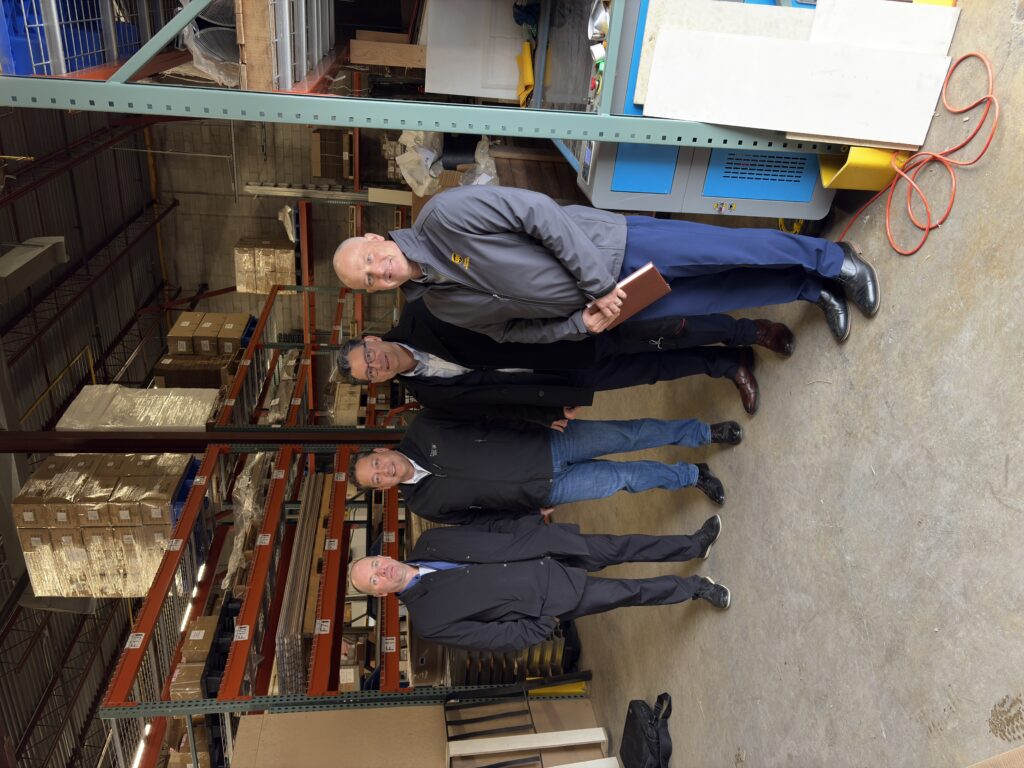
We had some interesting visitors from UPS, including Sean Griffin, president of UPS Canada, Dean Tabakos, Director of Business Development at UPS, and Frank Perez, UPS President – Americas Region & International, Healthcare and Supply Chain Solutions (SCS) Engineering, and our UPS rep, Todd McCracken.

As we mentioned in our previous updates, we’ve been having some issues with UPS shipments, primarily with things getting stuck at the border. This meant that we were getting a lot of shipments being sent back without any reason. We were also being charged a lot of taxes and duties when we weren’t supposed to.

With all this going on, some of the high-level execs from UPS decided to stop by our office to take a look at what was going on and let us know some of the work they were doing to get shipping back on track.

Reducing issues with customs declarations

With the change in regulations requiring all shipments entering the US to have customs clearance (before it was just for shipments above $800), UPS and other shipping and logistics companies were slammed with a significant volume of declarations needing to be made. With a big part of this process being human-driven, many shipments were being held at the border or sent back for customs issues and errors. We were told that with the implementation of new systems and AI, they are now able to automate more than 95% of the processes, meaning that the error rate and speed have gone up dramatically.

Reducing border hold-ups

When a multi-part shipment is created, but all parts of the shipment are not in the same truck, every item in that truck is sent back. Initially, this caused a huge number of shipments to be shipped back. With the change in generating separate manifests, shipments are accounted for on a truck-to-truck level, which eliminates issues created when multi-part shipments don’t travel together.

This is expected to reduce the number of shipments being sent back from the border, but also reduce transit times and lost packages because prior to this change, multi-part shipments needed to be held in a facility until all of the parts of the shipment are ready to cross the border. This specifically impacts us because most of the machines that we ship must be shipped in several packages, which means that if all boxes for that shipment are not together, they will wait in a warehouse until they are. This creates more opportunities for damage as they get transported around the warehouse as they wait, or get lost if they are misplaced.

—–

It’s hard to say how much things are going to change in the short term, but we are obviously optimistic that as we get settled into the new normal of more complicated reporting and customs processes, we will have fewer shipping issues.

Tax Registrations for Nexus

Some customers may have seen us charge sales tax for certain US states. This is because we have reached Nexus in these states (usually $100,000 or $200,000 in annual sales, although rules and calculations vary by state). Taxes will be automatically calculated and charged, and we will remit them directly to the state to comply with US state tax laws.

  • Arizona
  • Colorado
  • Florida
  • Georgia
  • Illinois
  • Indiana
  • Maryland
  • Michigan
  • Minnesota
  • North Carolina
  • New Jersey
  • Ohio
  • Pennsylvania
  • South Carolina
  • Tennessee
  • Texas
  • Utah
  • Virginia
  • Washington
  • Wisconsin

Some of these states are new, some of them we have reached Nexus for some time ago and we have been collecting taxes already.

AltMill 4×8

Production for the AltMill 4×8 continues to move forward, with business as usual with:

  • More short and long term wear testing ongoing
  • Packaging planning and design
  • Resource development for the 4×8
  • Working with and gathering feedback from beta testers
Nathan with packaging planning for the AltMill 4×8

ATC

Jon testing the rack parts
ATC packaging design

Auto Tool Changer work continues on as we wait for production to complete for parts. Some work done for December and ongoing include:

  • Continued testing for software and hardware
  • Packaging design and optimization
  • Testing of different compressor sizes and configurations

ATC production and development continue to move forward.

Closed-Loop Stepper Motors

First off, our closed-loop stepper motor kits are now available for sale! This kit allows users to install closed-loop stepper motors onto their LongMill.

In other news, we got a batch of closed-loop motors which had the wrong firmware onboard, which gave us a chance to reprogram and look into the tuning parameters for motors. Going through this gives us an opportunity to look at continual optimization of different aspects of our machine systems.

Certified VFDs

As we mentioned in some of our previous updates, we have certified our VFDs for the Canadian market. We initially certified around 100 VFDs in our first batch and are in the process of getting our next large batch of VFDs to ship to customers still waiting on their units. We were able to get around 40 units done early, so we will ship them to customers currently in the queue. We expect the remaining units to arrive in January to complete the rest of the queue.

LongMill MK3 Development

LongMill MK3 is in official development. Here are some design goals:

Reduce part count and variability

Reducing the number of parts reduces the amount of time needed to assemble the machine. Additionally, reducing the number of unique parts also allows the assembly process simpler by copying the same processes across different areas of the machine, plus reduces the amount of supply chain and inventory management we need to do. We expect the LongMill MK3 to have 30% fewer unique parts over the LongMill MK2.
We have a mix of parts that come from the LongMill MK2 and the AltMill, plus a bunch of new, unique parts that are specific to the LongMill MK3.

Improve reliability

The LongMill MK3 will use the latest family of SLB-EXT and closed-loop motors, self-adjusting anti-backlash nuts, and linear guides to provide significant improvement to machine reliability over the LongMill MK2.

Keep affordability

With improvements to our assembly and QA process, changes to the design, and larger economies of scale, the LongMill MK3 will have a target price with beginners and hobbyists in mind.

Lower the barrier to entry

The LongMill MK3 comes in conjunction with many new features and products, including:

  • The AutoSpin T1, which aims to provide spindle-like features and functionality at a lower price point
  • Inductive sensors included by default, implementing homing and other positioning checks

Currently our main focuses are in:

  • Producing and testing our first batch of prototype rails (expected to arrive end of Jan)
  • Producing and testing our first batch of laser cut steel gantry parts
  • Designing and developing a new set of electronics (currently code-named the SLB-lite), to bring down the cost of the electronics used in the LongMill to better fit the needs of beginners
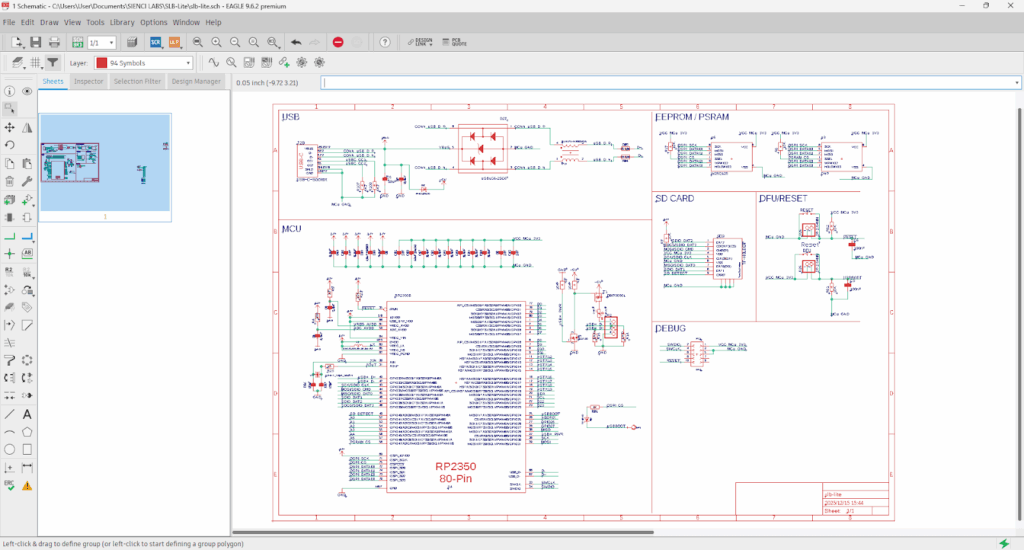
Schematics in the works for “SLB-Lite”

AutoSpin T1

As mention in the last month’s blog post, we have now completed production of the AutoSpin T1 and are currently waiting on the arrival of the tools. We are expecting them to arrive mid-February.

AutoSpin T1 Router
AutoSpin T1 Router - Cord and Connection
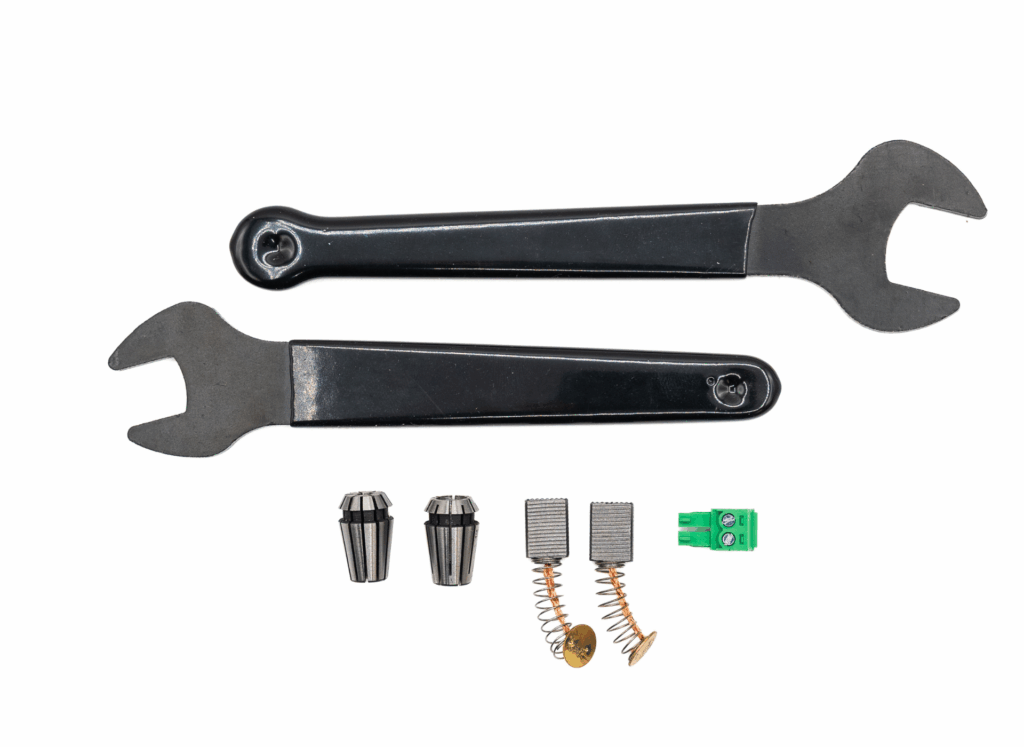
AutoSpin T1 Router - What's in the Box

10 Year Anniversary Party

Can you believe it’s been 10 years since we started Sienci Labs? We’re planning something to celebrate. Details are still percolating but this is what we have in mind.

Open House (afternoon): Shop tours, demos, and hang out/meet our team

After Party (night): Big, casual party and rave in our back warehouse

Everyone is invited, stay tuned on our social media for more details coming soon.

Our first Kickstarter video from 2014:

LongMill MK3 Call for Beta Testers

Hey there. We’re now looking for beta testers of the LongMill MK3. Interested in being a beta tester? Please check out the details below. A link to the application form can be found at the end of this article.

What does “beta testing” mean?

Beta testing involves the process of testing and using a product in a real world environment before mass production or general release. In our case, the LongMill MK3 platform is a new product that is actively in development. While we are confident in the performance of the new machines, we feel that it is important to get it into the hands of real users to obtain feedback and information about: how well the machine performs; how it works; and potential issues that may happen in manufacturing or production of the final product. We also want to identify users and use cases for the product to help us target our machines to the right people based on what you do during the beta testing period.

As a beta tester, your responsibilities are:

  • Putting your beta machine through the paces
  • Reporting back to us with feedback on a regular basis
  • Letting us observe and test your machine
  • Sharing your learnings and testing with the community
  • Optionally, participating in a video interview to share your experience

As the company providing the beta machine, our responsibilities are:

  • Providing you with one-on-one technical support for your machine
  • Helping you set up your machine (either in person or virtually)
  • Providing you with updated parts to ensure your machine aligns closely with the final production version

There are several differences that you may see between the beta testing machines and production machines: 

  • Some parts will be uncoated, such as the gantry plates and aluminum parts
  • Machines will either be partially assembled or come in non-production ready packaging
  • Some parts may be off the shelf components not from our regular manufacturers

Pricing

We charge for our beta testing machines. We believe that is the best way in vetting between folks that are purely looking for a discounted or free machine and folks who truly need or want a machine. It is our top priority to work with beta testers that will find true value from owning a CNC machine and use it long term. We ask beta testers to ask themselves: “If this was a product I could buy now, would it bring enough value to me to warrant the amount I would pay?”
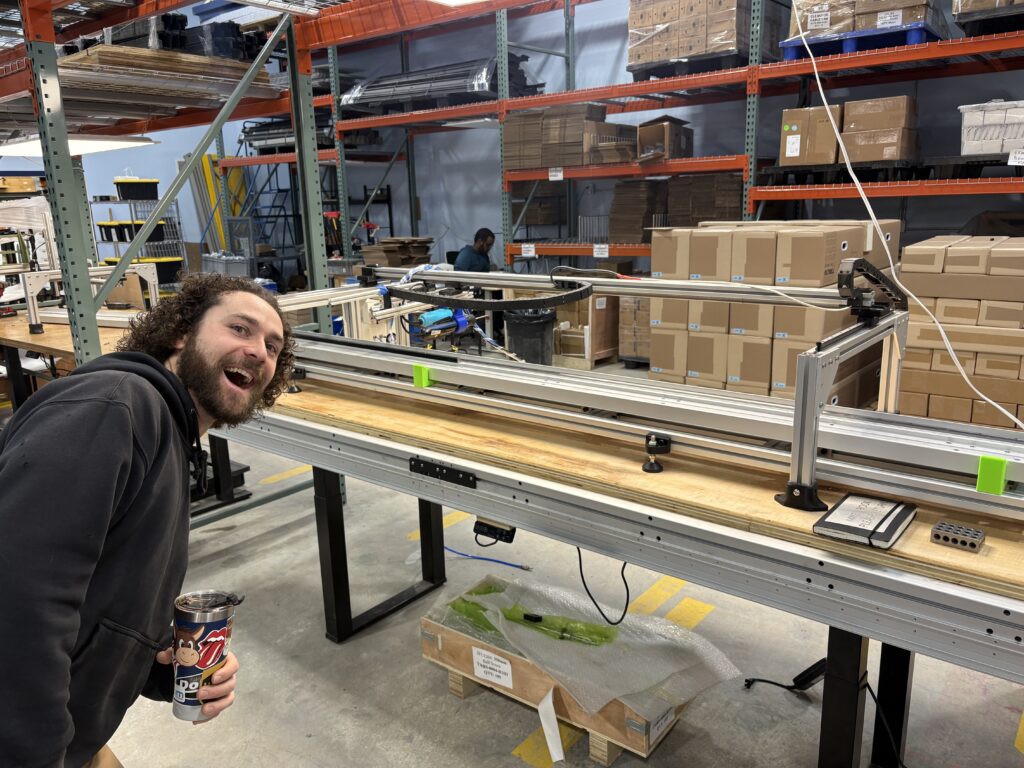
If you’d like to hear some interviews from our former beta testers, please check out some of our videos.

Final pricing for production units have not been determined yet. However we expect pricing to be around the same as the LongMill MK2/MK2.5, and thus beta testing pricing will be as follows.

30×30 working area= $1,950CAD

48×30 working area= $2,450CAD

What you get:

  • A full, LongMill MK3 machine
  • Secondary accessories like the dust shoe and AutoSpin T1
  • One-on-one technical support and set up assistance
  • Parts to upgrade your machine to production level spec at release

What you need to provide:

  • A space and bench to put your machine
  • A sheet of ¾” MDF to act as your wasteboard

What is the LongMill MK3?

The LongMill MK3 serves as the successor to the LongMill MK2 and MK2.5. Just as all of the LongMills that came before it, the LongMill MK3 aims to be a beginner friendly and affordable CNC machine with the capabilities to produce meaningful projects.

The LongMill MK3 comes with several key updates to its design, including linear guides and closed-loop stepper motors on all axes, allowing for a faster, more reliable and more rigid machine than its predecessor. A significant reduction in unique components also makes assembly and maintenance faster and easier. With all of these improvements, we believe that the LongMill MK3 is the ultimate starter CNC machine.
Timelines

We will select 3-4 beta testers in mid to end of January 2026. Beta testing units are expected to be shipped or hand delivered to you starting in mid to late February 2026. We expect the beta testing phase to last approximately 12 weeks.

Sharing with the public

As a beta tester, you may share details of your work and usage of your beta machines freely. You may provide feedback and information with the community without restriction. We may however ask you to sign a photo/video release form if you get selected (in case we use your footage for marketing purposes on our end.)

Application form:

FAQs

Will the LongMill MK3 be compatible will your accessories?

With the exception of the LongMill MK2 generation dust shoe (the LongMill MK3 will have a new dust shoe), accessories like the AutoZero touch plate, Vortex Rotary Axis and gControl Panel Computer will be compatible. The LongMill spindle kit will also be compatible with the LongMill MK3.

Due to weight restrictions, the Automatic Tool Changer will not be compatible with the LongMill MK3.

Will I be able to upgrade my LongMill MK2 or MK2.5 to a MK3?

While some of the parts are transferrable between generations, the LongMill MK3 comes with significant changes to the rails, linear motion and electronics that are unique to the new machine. It is not cost effective to upgrade older generations of the machine to the LongMill MK3.
What’s the difference between the LongMill and the AltMill?

The LongMill is focused on beginner hobbyists. The AltMill is designed for more dedicated hobbyists and for low volume production use. There is a size, cost and performance difference between the two machines. However, with the LongMill MK3, we’ve integrated a bunch of AltMill components, closing the gap between the two machines.