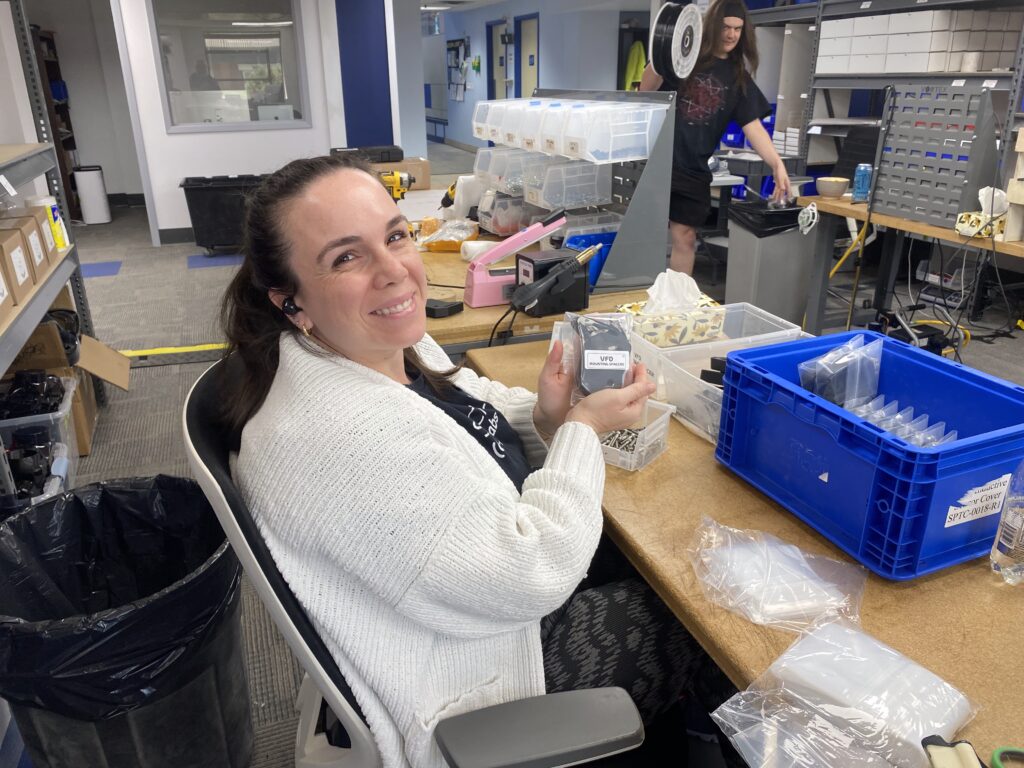
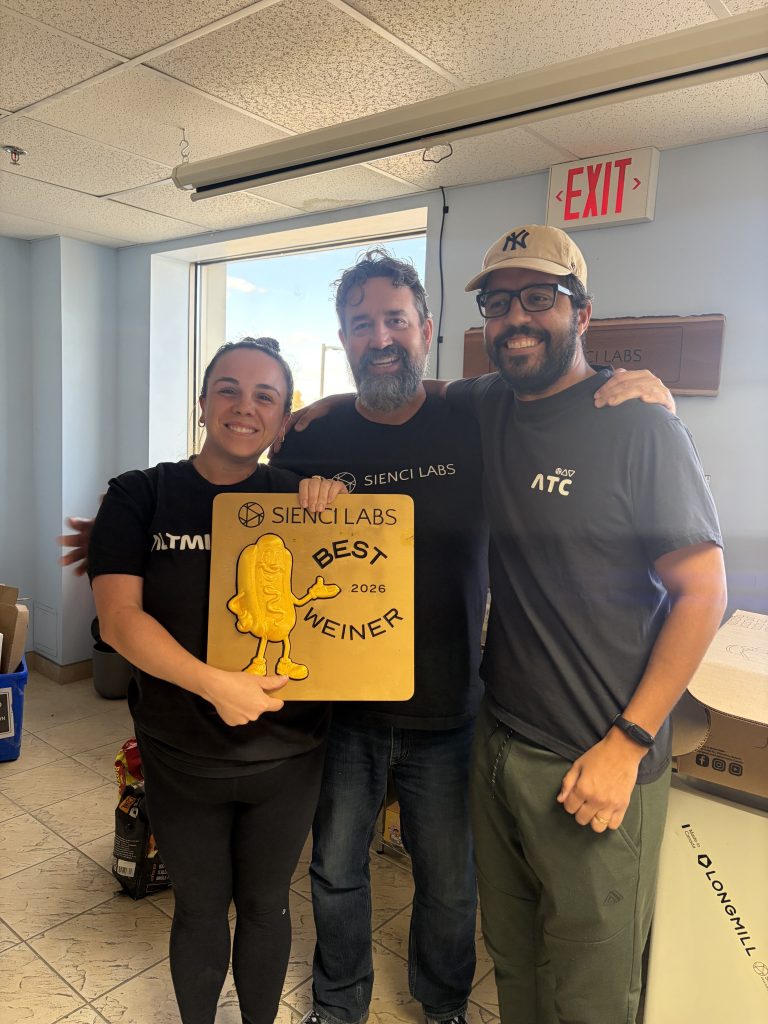
Another month has gone by and the weather is getting chilly!
A Change in our Approach to Affiliate Marketing
With the launch and shipping of the LongMill MK3 comes a change in our approach to affiliate marketing. Traditionally we have been fairly conservative, or at least more conservative than other companies in this space with affiliate marketing due to a few reasons:
- Scaling volume and production has always been our one main focus, and we wanted to prevent any potential large swings in our sales volume as we’ve seen when working with larger scale content creators and influencers.
- We had, in some cases, been in short supply of machines, and it didn’t feel right to prioritize sending influencers machines over actual final use customers.
- We’ve typically felt that our machines were not quite ready for the mainstream audiences because CNC in general takes a lot of commitment to set up, and also has a large learning curve; we were hesitant to hit too broad of an audience.
- We recognized that word of mouth is the strongest form of marketing, and prioritizing innovation and quality in the long run would be the most effective method of steady and sustainable growth, even if it’s slow.
That being said, we have worked with a number of content creators successfully and recognize the impact they can have in the outreach of the company.
The reason I point out some of the changes, is because the LongMill MK3 brings a few fundamental design changes that reflect the current state of our industry, for example:
- The LongMill MK3 is magnitudes faster and easier to set up, with the majority of the machine coming pre-assembled. Better software integration with gSender and better overall resources help beginners get started with the machine. This means that it should take a lot less time and commitment for the average content creator to get set up with the machine.
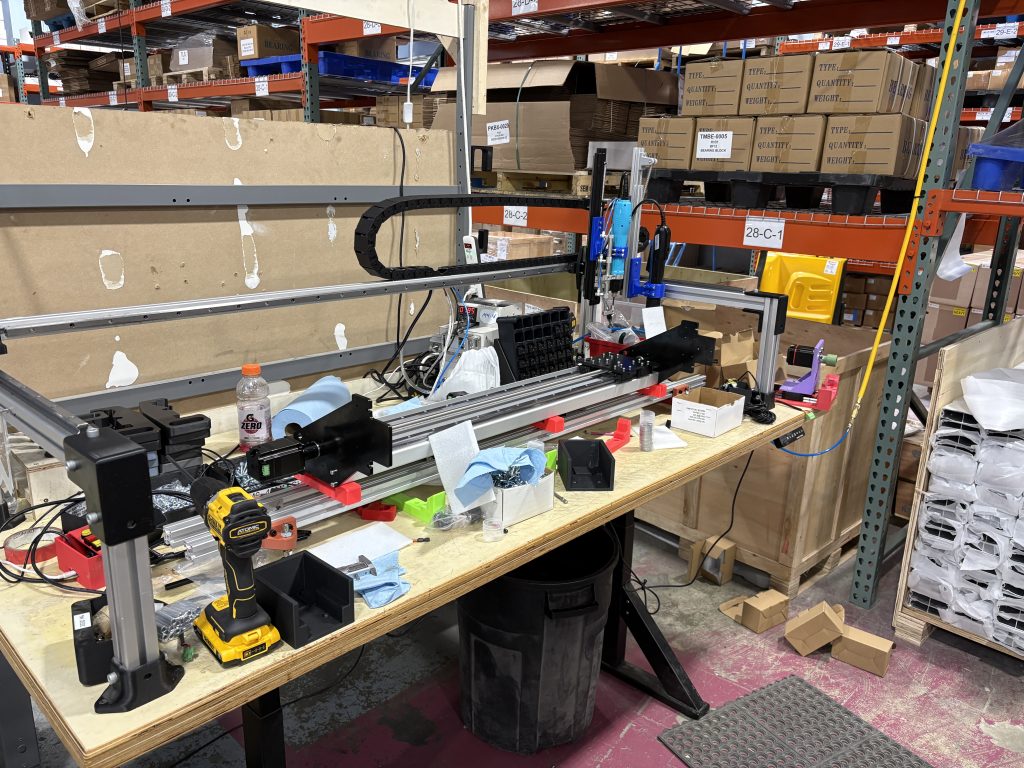
- Production scale is a priority from the start. Traditionally, we start production of machines at a small scale and work our way up as demand grows. With the LongMill MK3, we went straight to production for 1000 machines because we had enough sales data from prior generations of machines to know that there is already a market for a machine like this. In fact, we were building LongMill MK2s and MK2.5s in batches of 1500 units prior to the MK3 coming out, so now, building big batches and having the finances to support the large inventory purchases isn’t foreign to us.
- Because we went straight to building larger batches, we also know that we have some leeway to handle bigger swings in demand, and we have experience in handling them when they come.
The marketing team has already been communicating with a number of people in our affiliate network to prepare for new content for the LongMill MK3, so you can expect:
- New reviews, tutorials, and other content around the LongMill MK3 to come out in the coming months
- New collaboration with members of the CNC community and events
Right now, we have three affiliate partners who are expected to get their machines in the coming days, and we may have more set up to get out there as we figure things out.
If you want to sign up to be an affiliate, feel free to fill out this form: https://forms.gle/B2UFAvuWpCbsvqcAA
LongMill MK3 Now Shipping
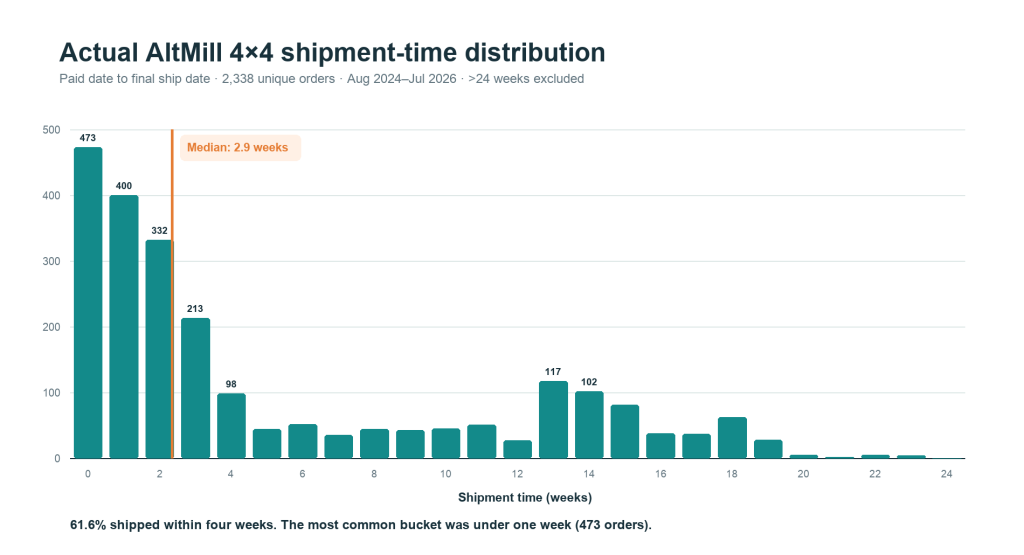
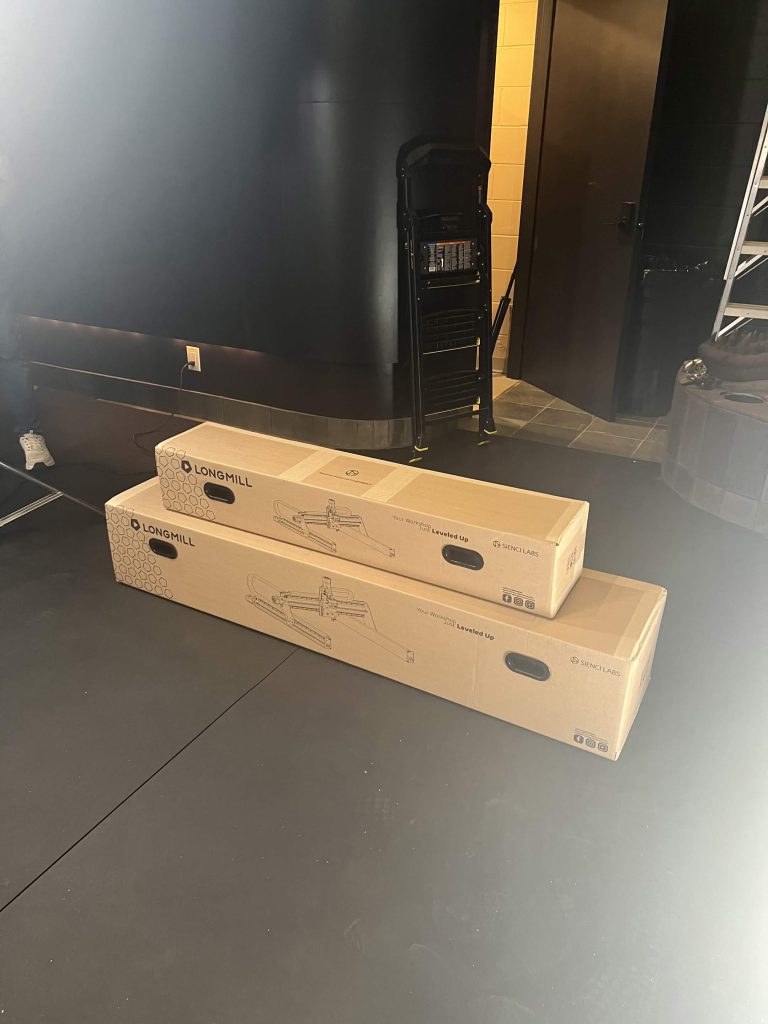
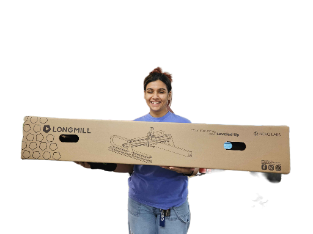
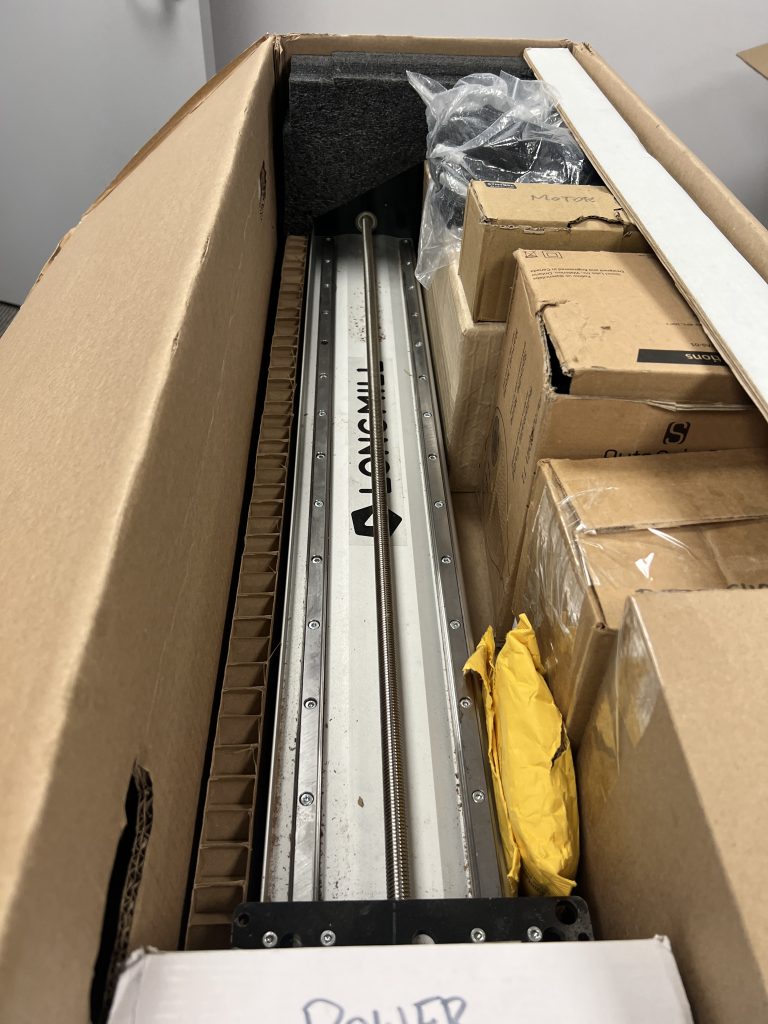
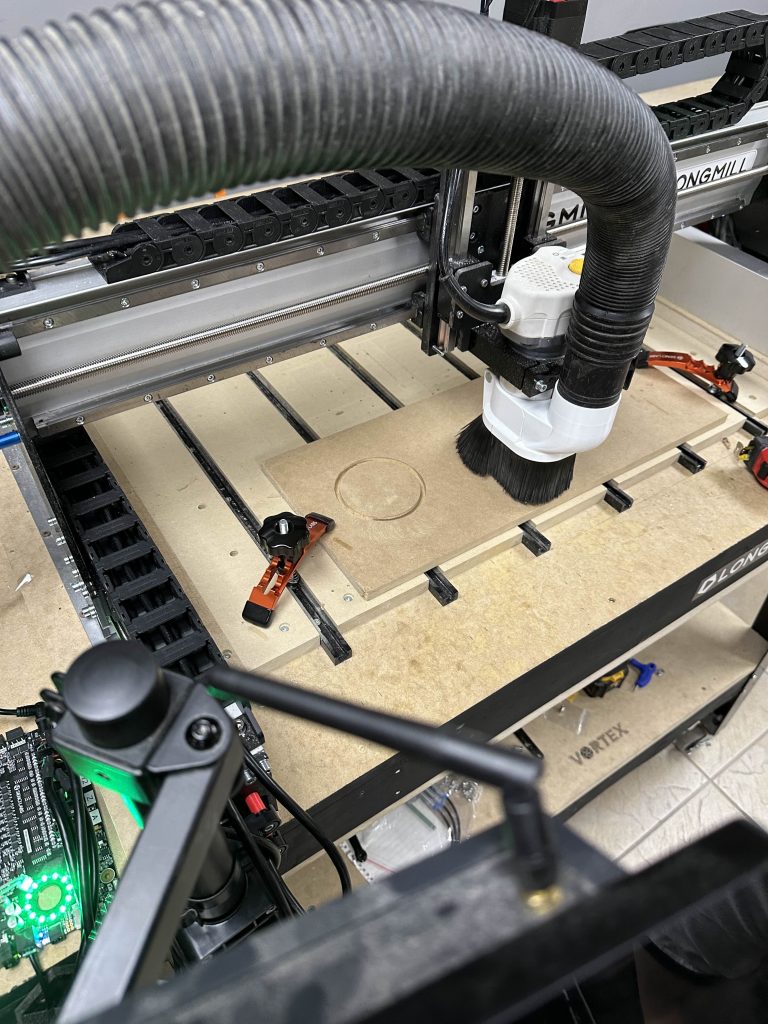
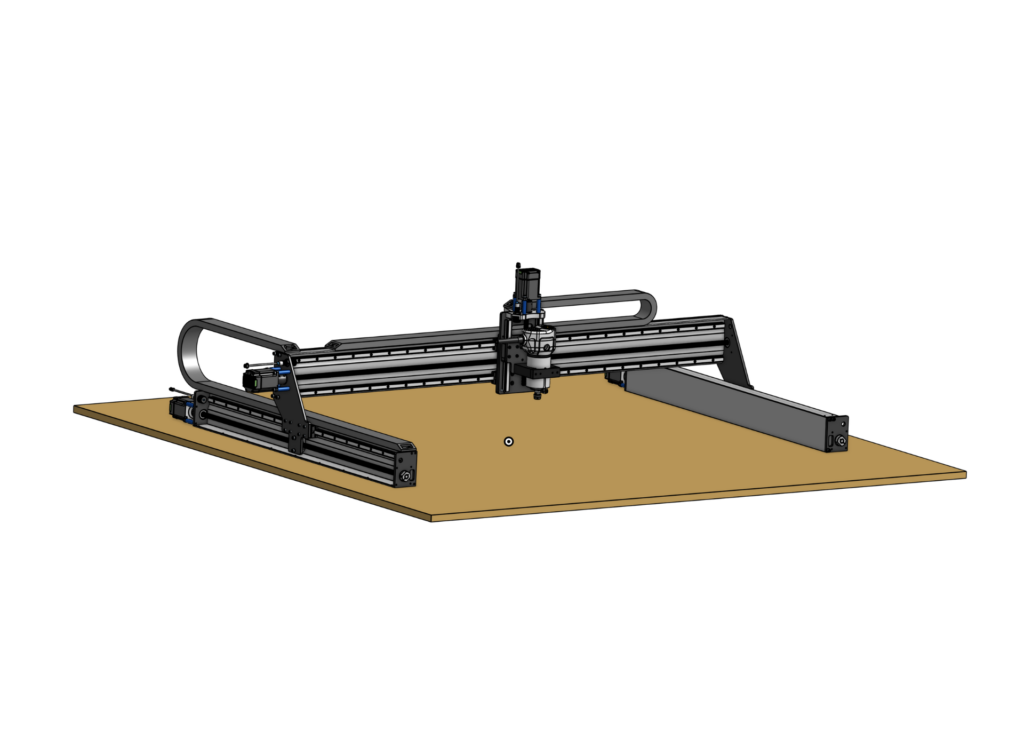
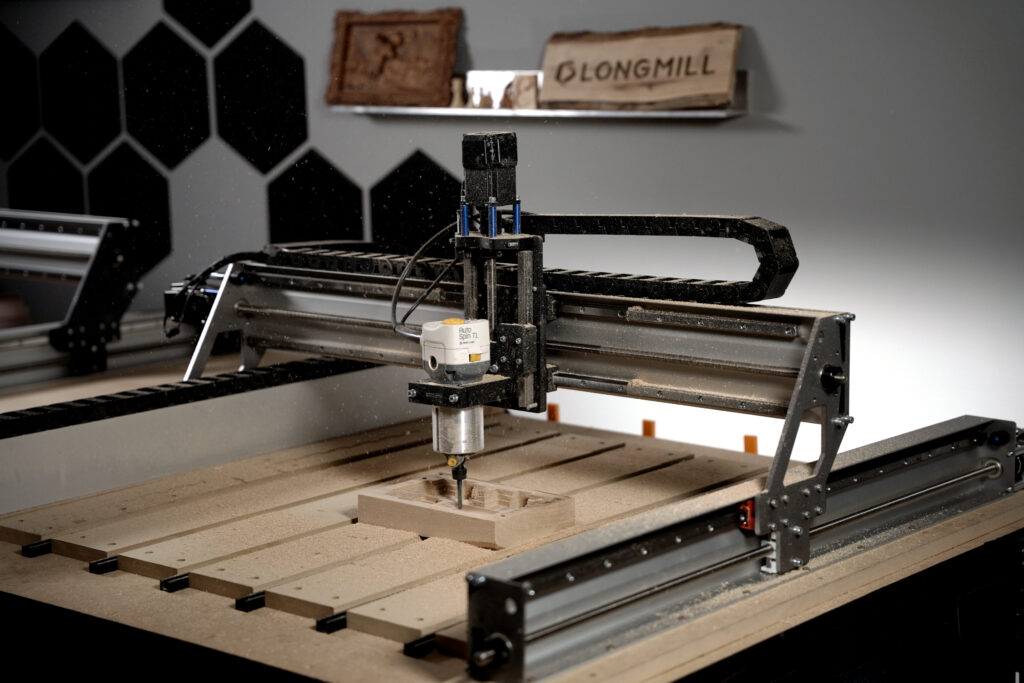
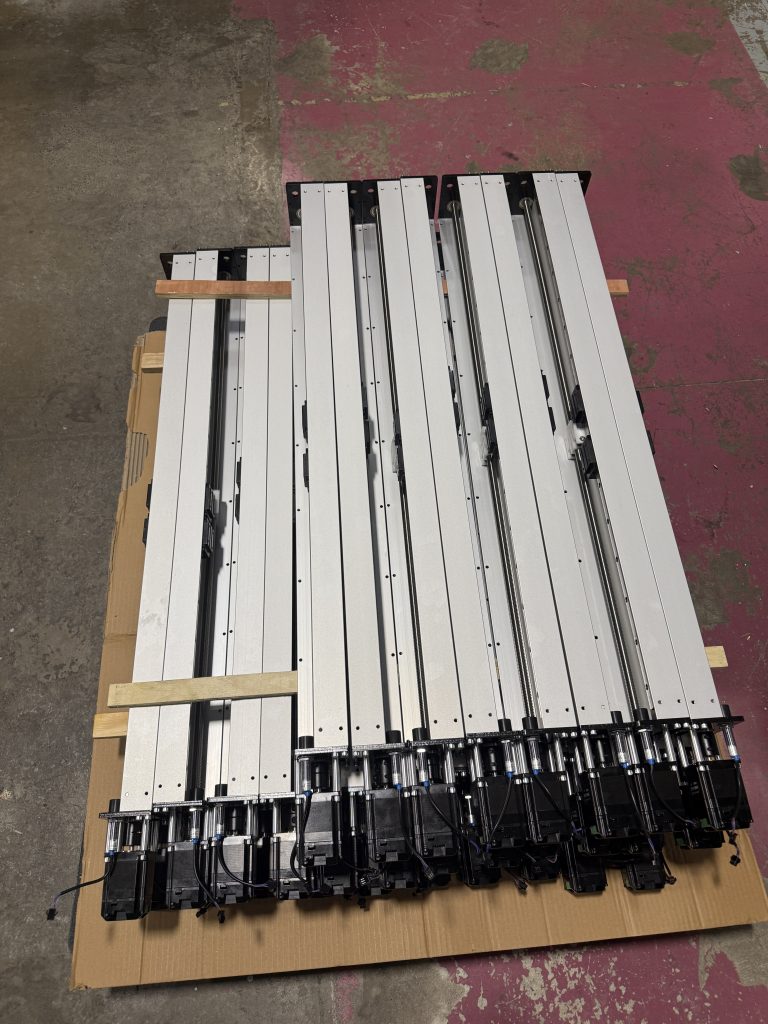
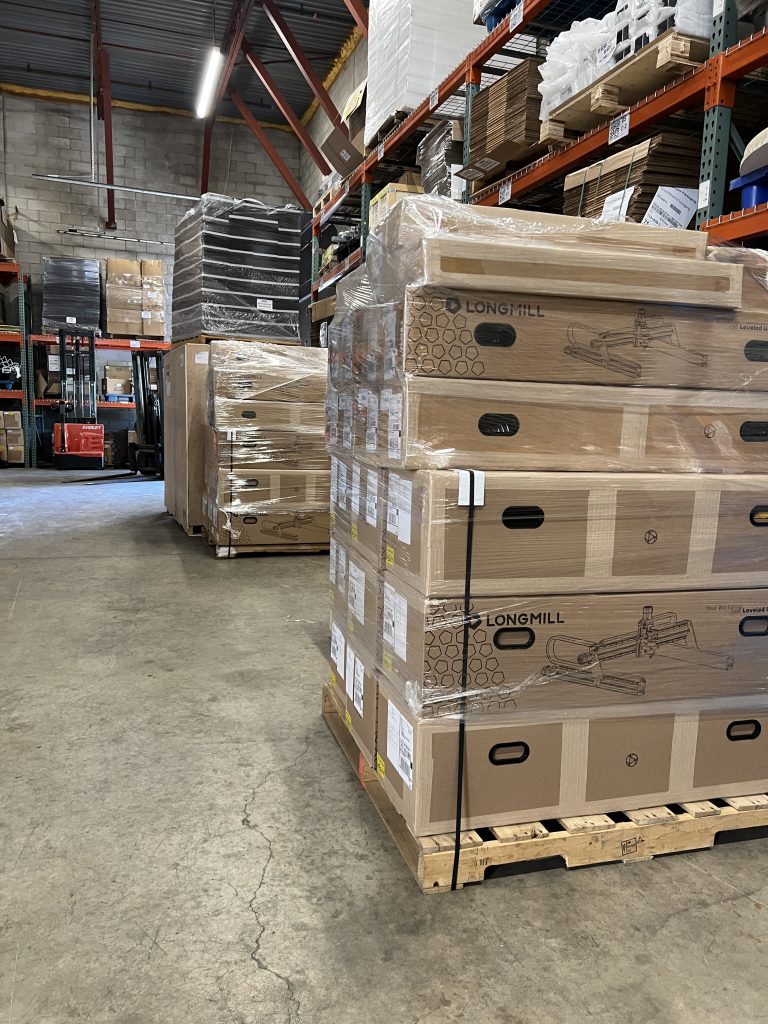
Probably the biggest news of the past month is that the the LongMill MK3 is now shipping! Our first machines started shipping out on the 14th, but we mostly started having things pick up in speed on the 16th. Congrats to the team for getting this thing out the door!
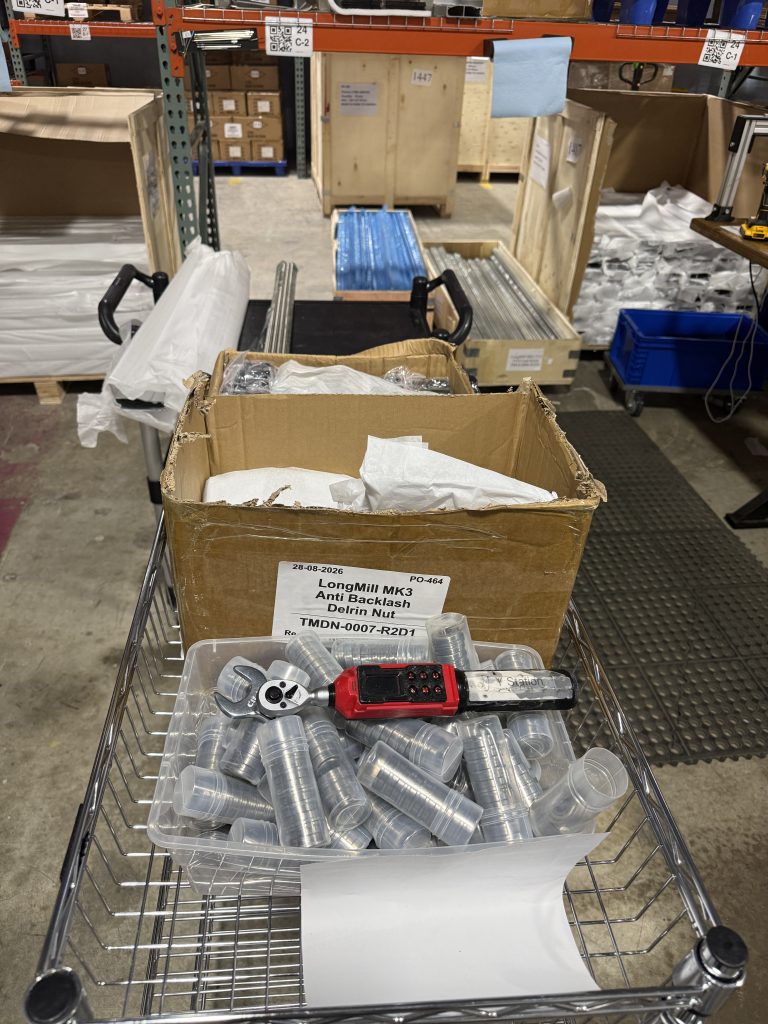
Resources for the LongMill MK3 are also now publicly available! Feel free to check those out.
Most of our bottleneck for shipping has been with 3D printing the dust shoes, as we were working to scale it up gradually. We have continued to build that up and have been able to get on track with production.
Additionally, we ran into a small issue at the beginning with assembly for our first approximately 30 units due to hydrogen embrittlement in the bolts used specifically in the couplers and ACME locking nuts. This was due to the choice of bolts used with one of our suppliers, where higher carbon steel bolts are prone to absorbing hydrogen, typically in a plating or coating process, and become brittle. Luckily, we were able to catch this early on and replace bolts for the remaining machines with a different grade of bolts that are not prone to this issue.
One of our engineers, Alex, has also made a guide on building a table for the LongMill MK3. We know that most users will design their table based on the size of their space and if they need additional features. We also have gotten a lot of feedback from people looking for some general support and ideas on building the table. If you want to check that out, please look at this link. https://resources.sienci.com/view/lmk3-table-plans/
Grease Gun Kit
A Grease Gun Kit is now available on our store to help users do maintenance on their linear guides. Additional resources and instructions for lubrication has been created which can be found here:
Vacuum Hold Down System
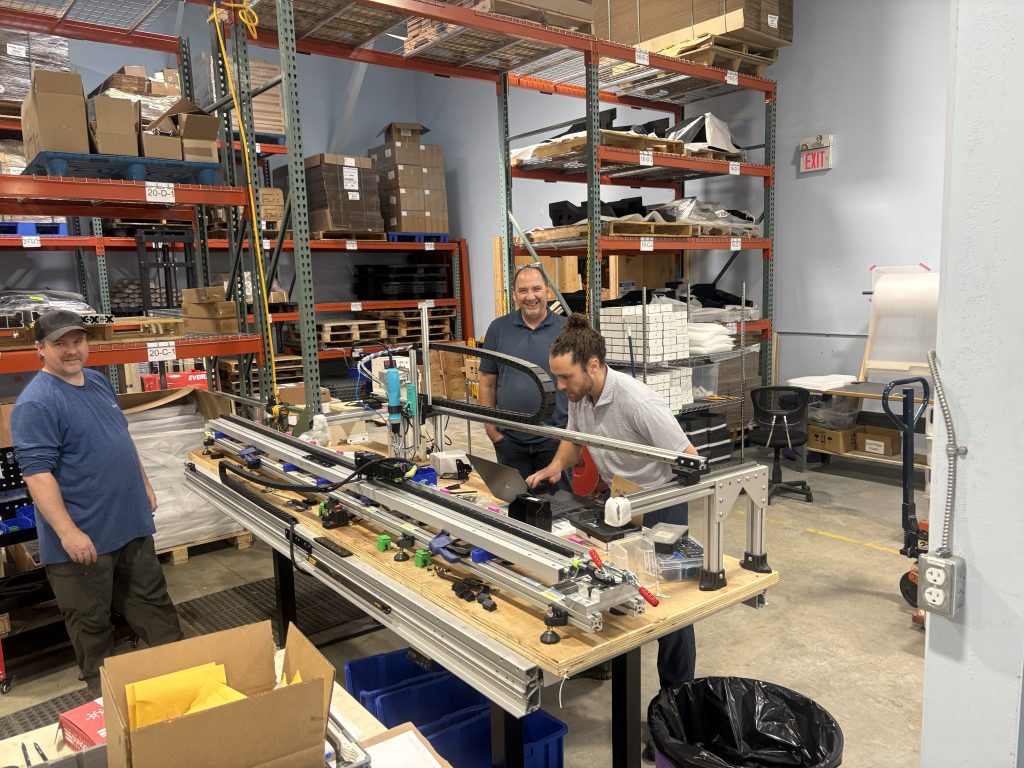
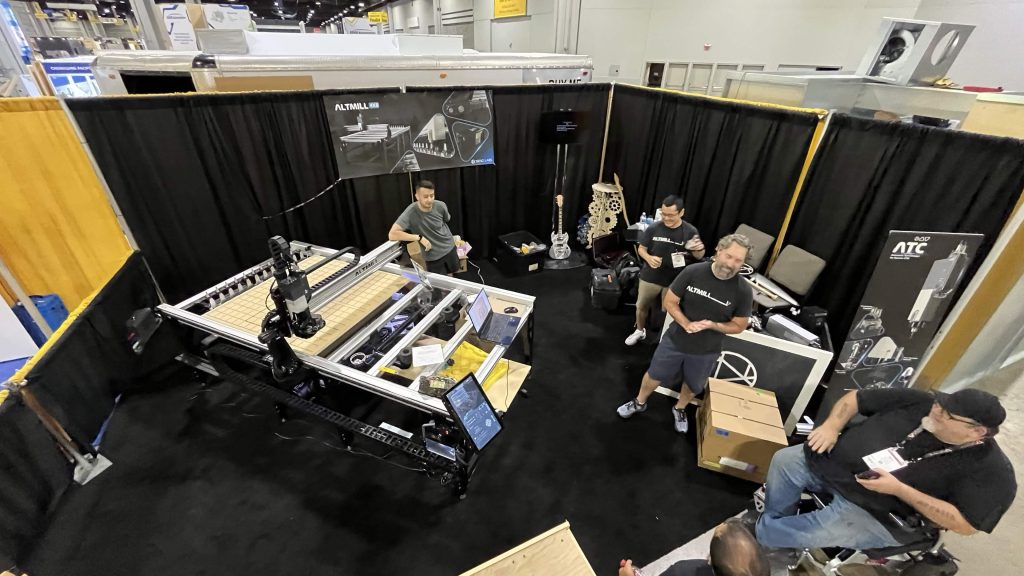
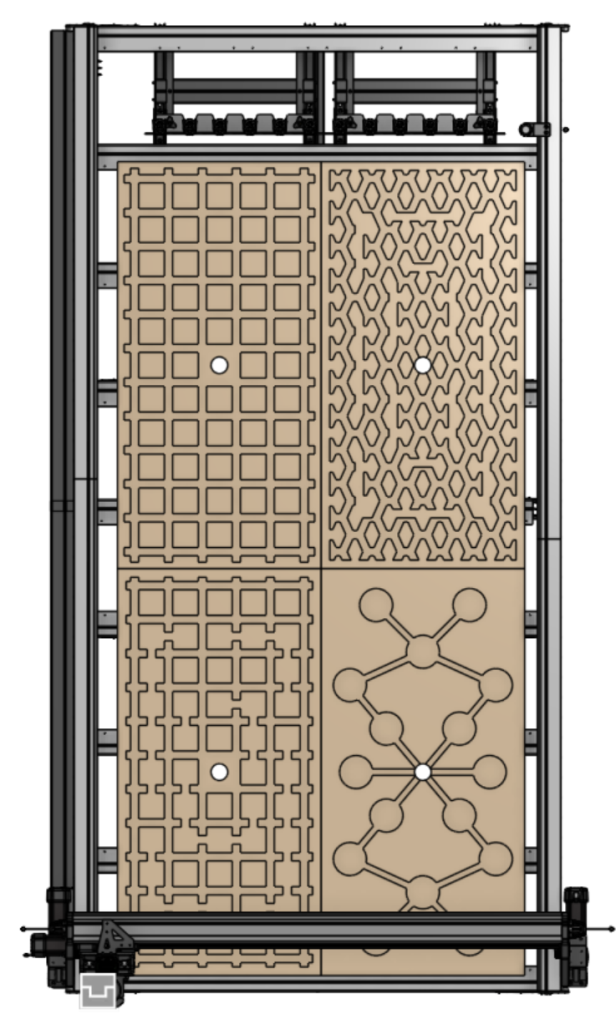
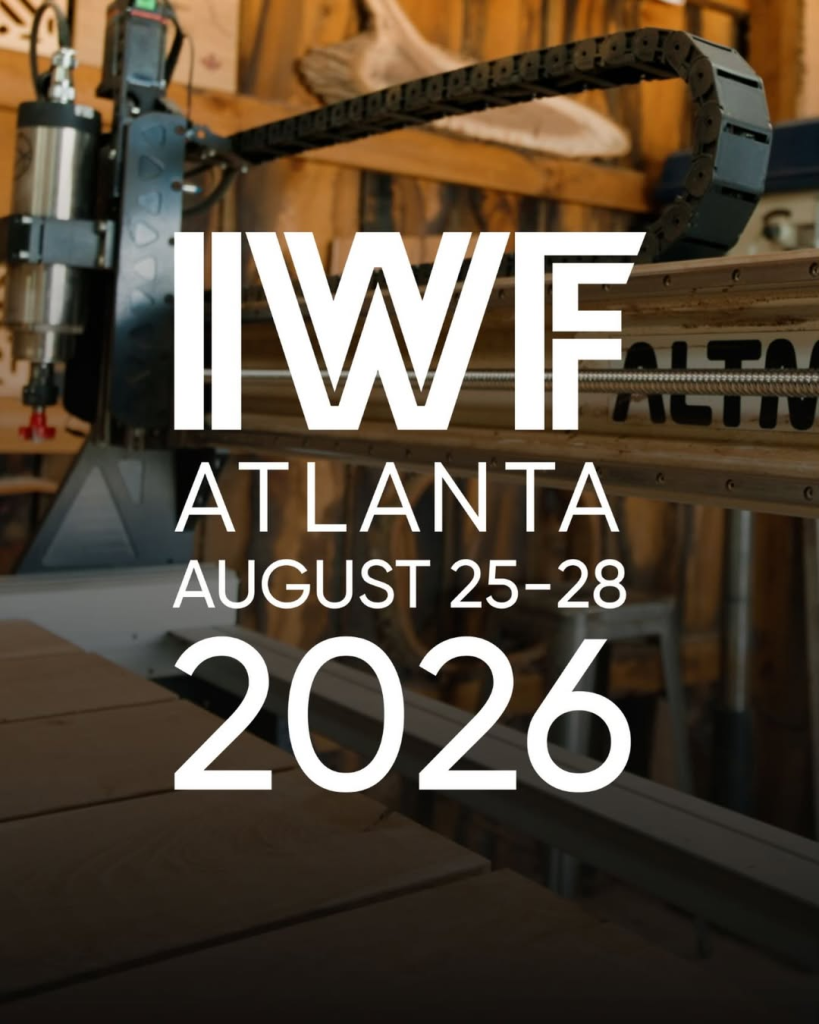
We’ve made progress with the vacuum hold down system that we shared an early look at IWF 2026. Basically we’ve done the main testing and sourcing for all the parts, and now are going through the assembly process and scaling. One of our engineers, Marcus, has been working on figuring out the best way to pre-assemble and pack all of the parts.
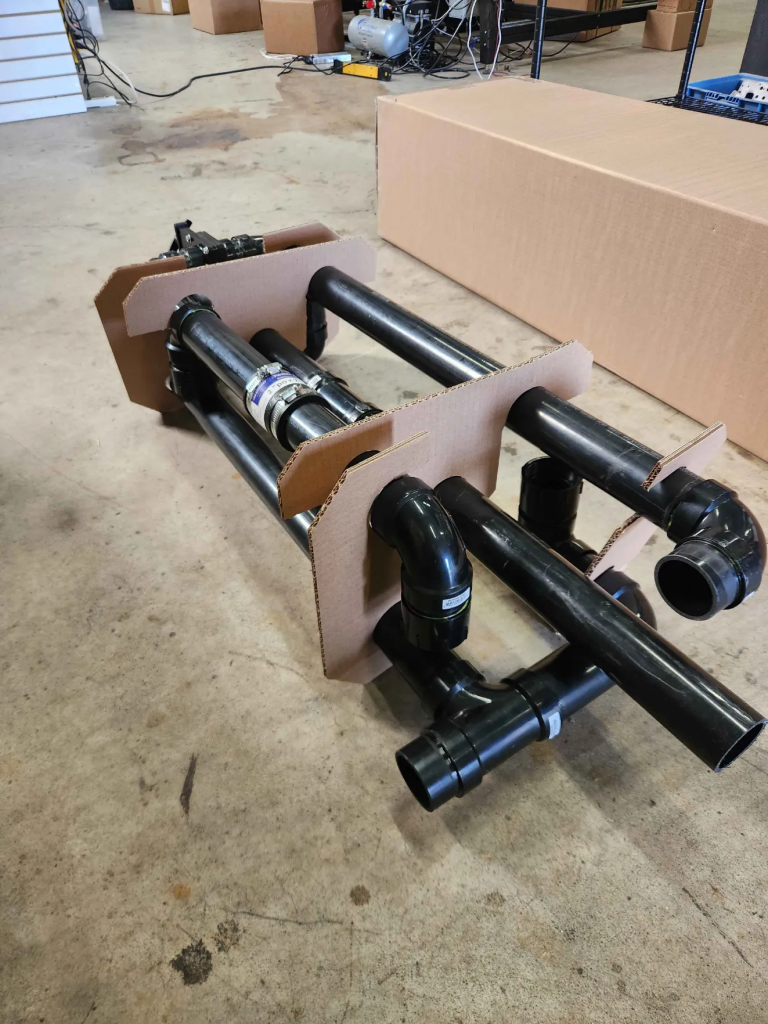
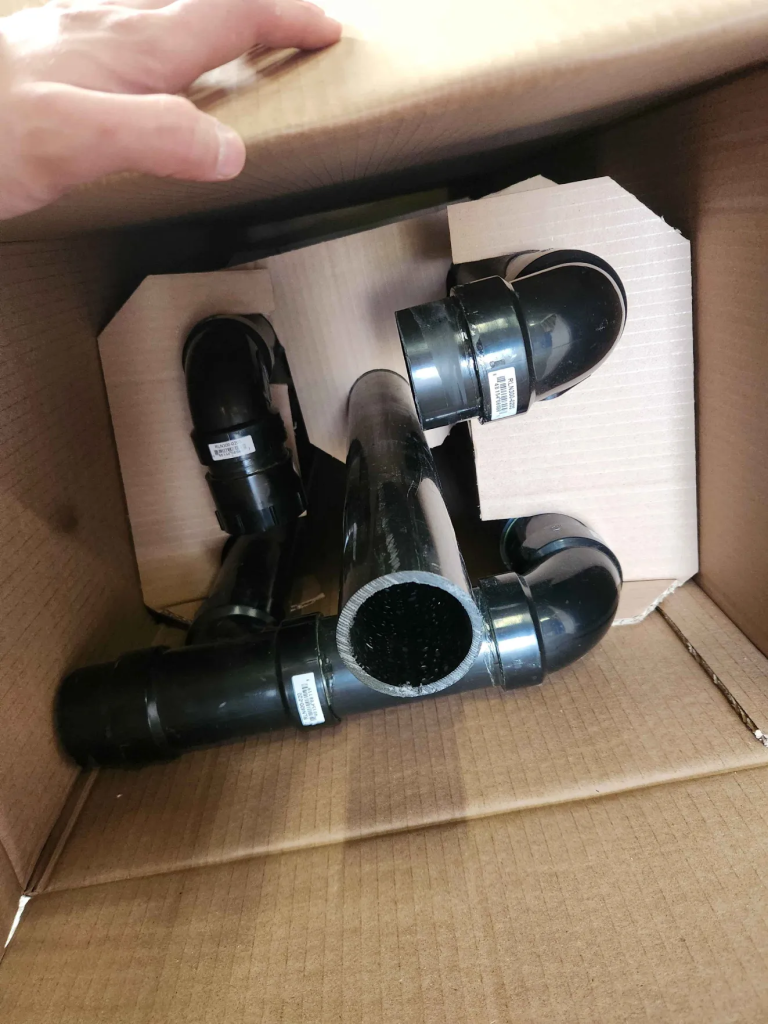
This will eventually be a kit first launched for the 4×8 machines to offer a vacuum table setup in conjunction with a BlackBox. More content and details to come later.
4.5KW ATC Development
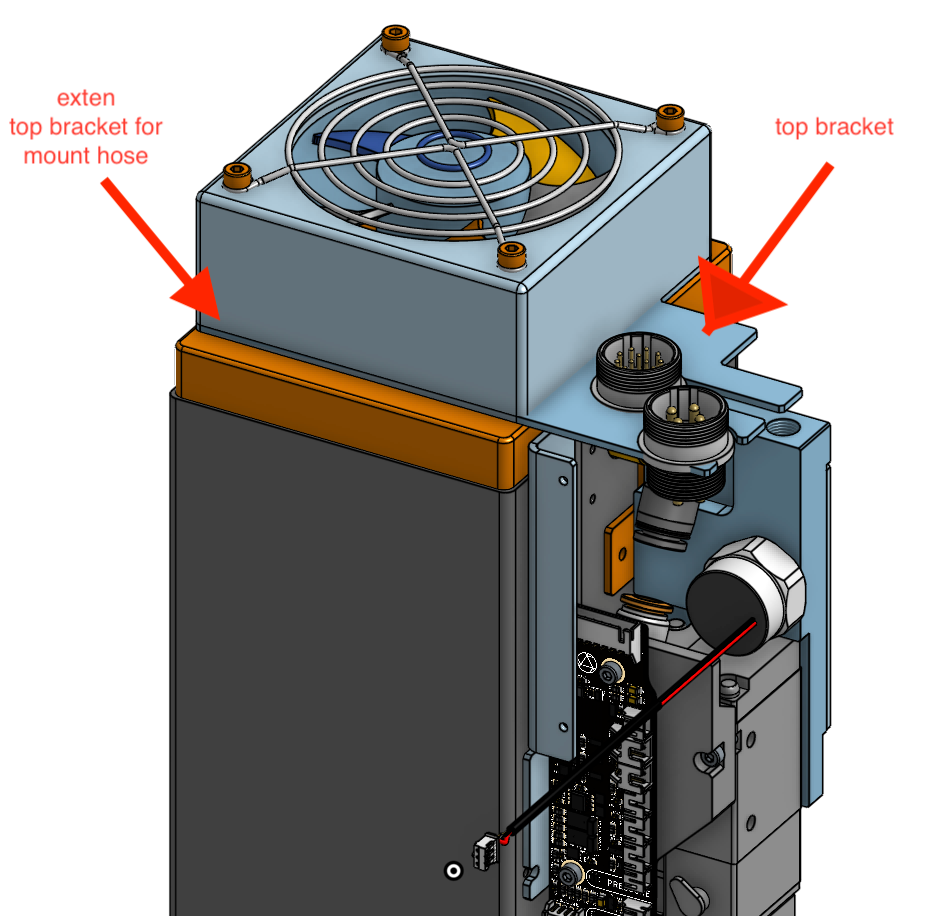
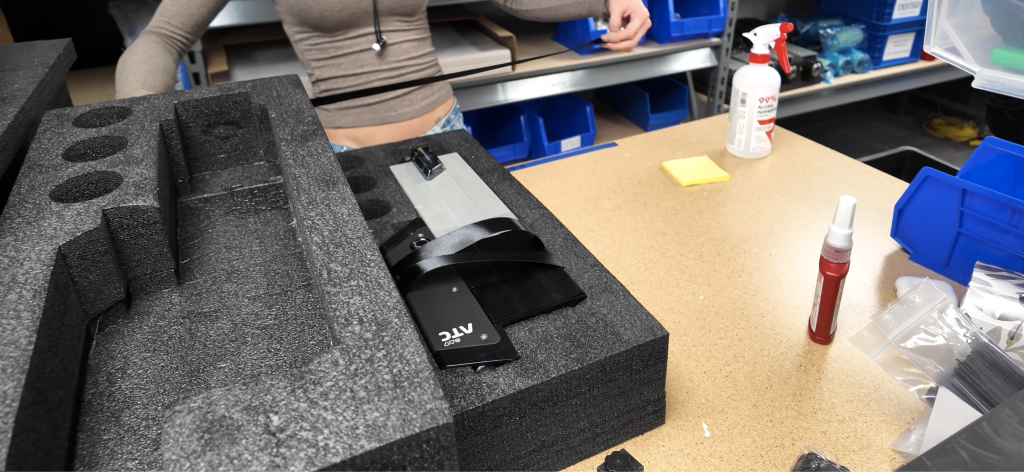
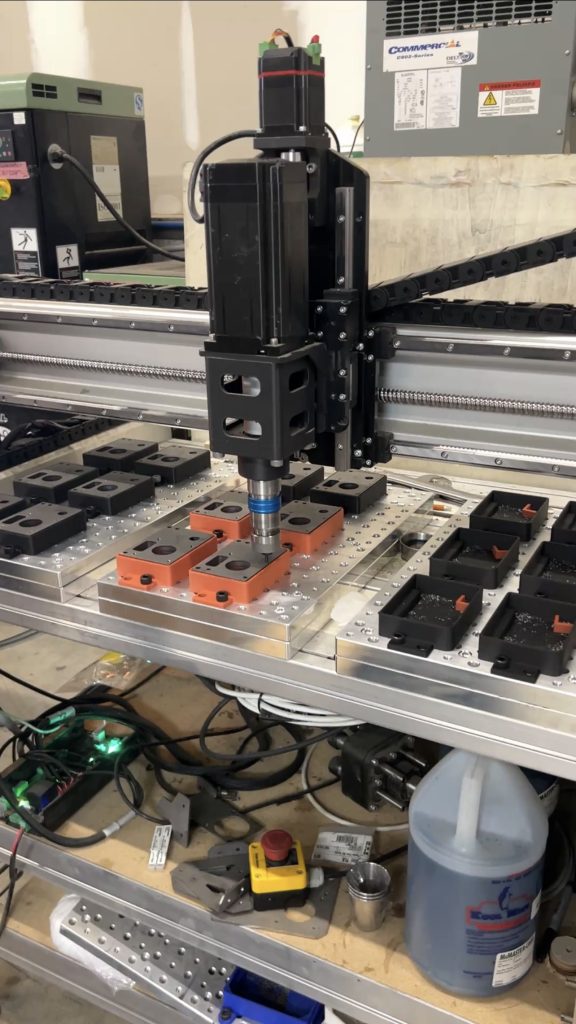
Now that we’re plotting away at the production for the 2.2 kW ATC spindle, we’ve taken the designs and the learnings to implement into larger spindles. As we discussed in prior updates, we believe that the bottleneck for the AltMill line is in the power of the spindles. As we get more into the professional and production segment of the market, we’ve been working on some more powerful spindles to improve the productivity of the machines overall.
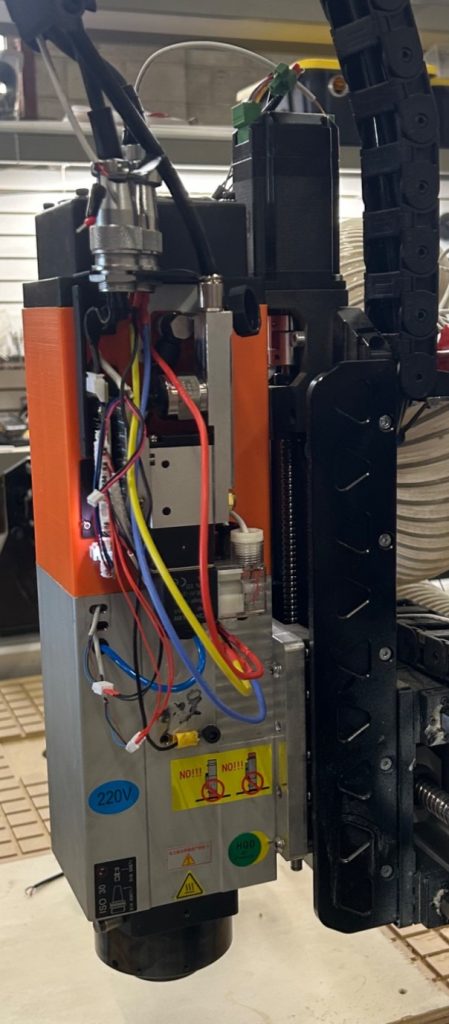
We don’t have specific details on the release and the pricing yet, but once we move along with the development, more information will be available.
Certified Power Supplies for the Ontario Market
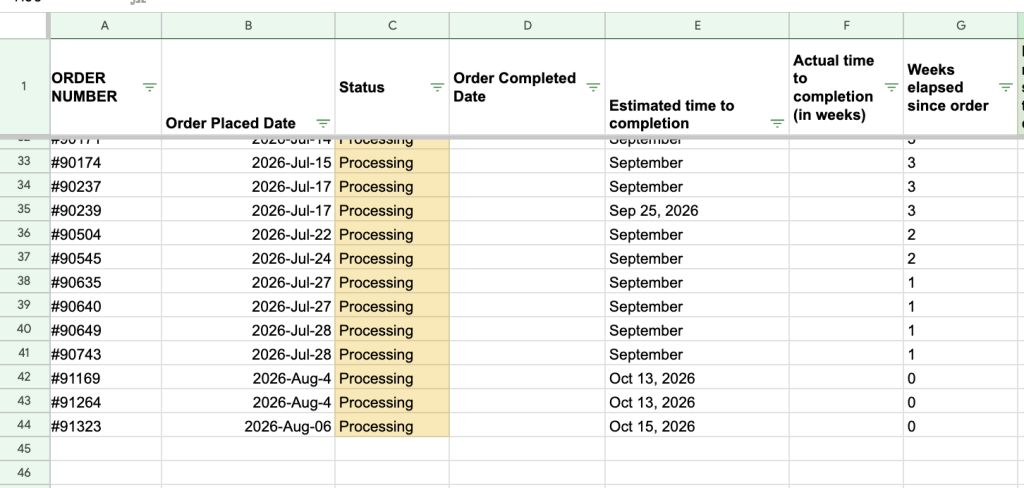
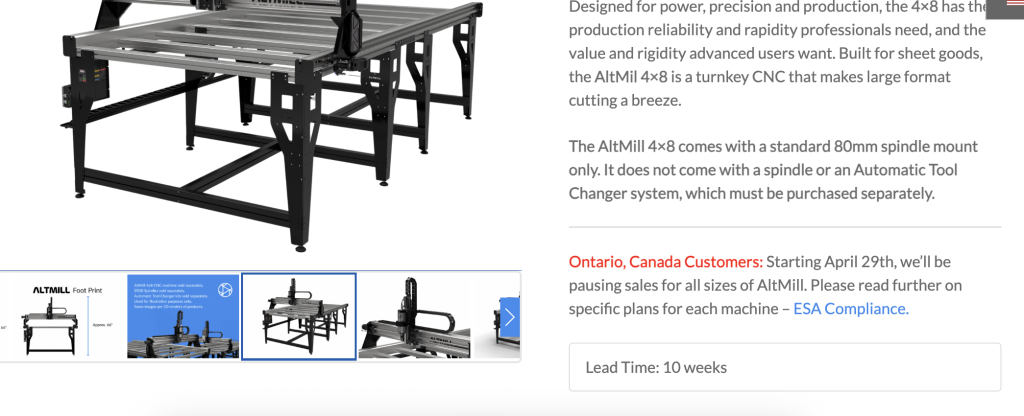
As you guys might have noticed, for Ontario residents, we have currently paused sales for the AltMill until we have completed the certification process for the power supply. In some of our previous updates, we’ve mentioned that our expected completion time for certification is November. Since then, we have made some progress on the development and have now started the early stages of production for the new power supply.
We have now completed the preliminary design review with Intertek on September 8 and are expecting to provide them with the samples needed for the final certification in the next couple of weeks. After those have been provided, we are expecting about two weeks for the final certifications to be issued.
SLB V1 and Switchover
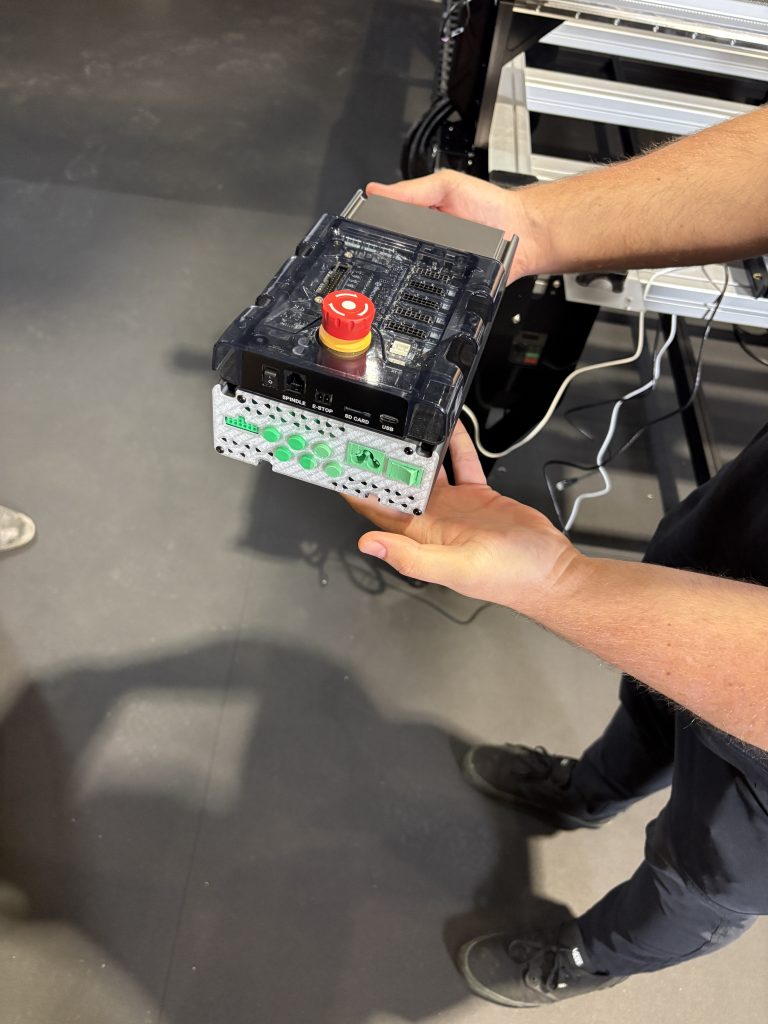
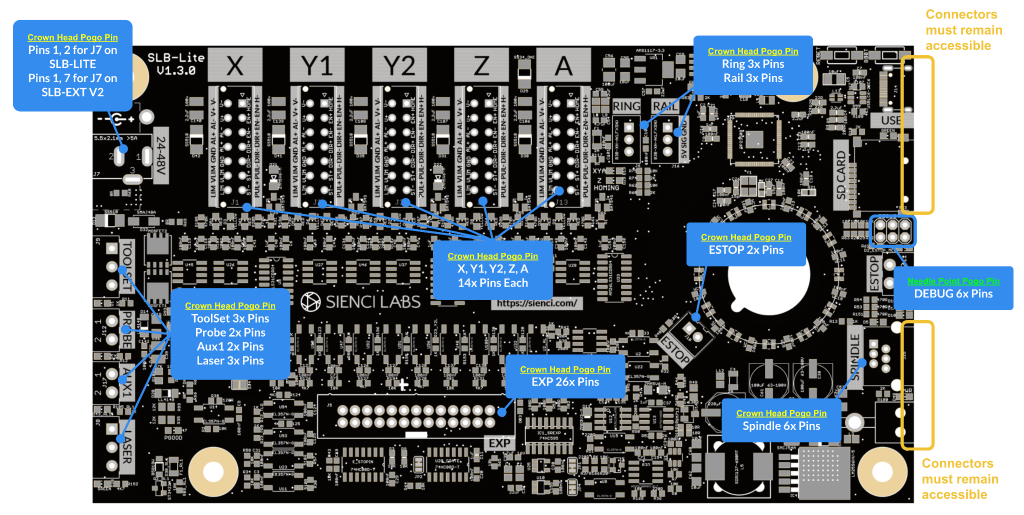
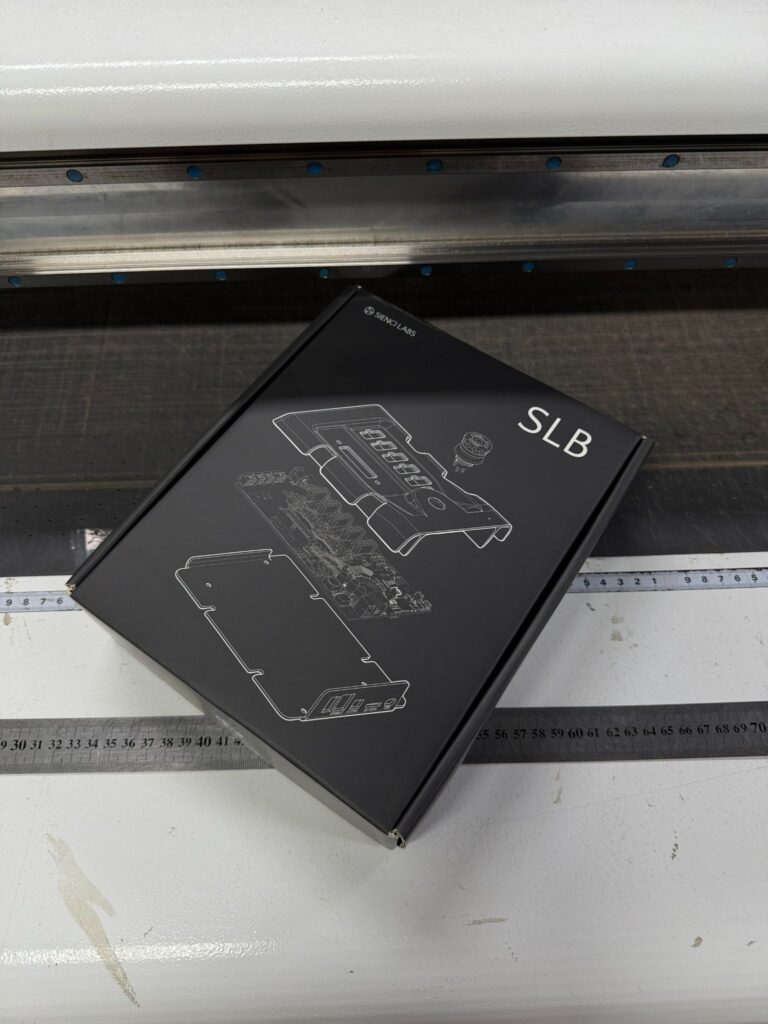
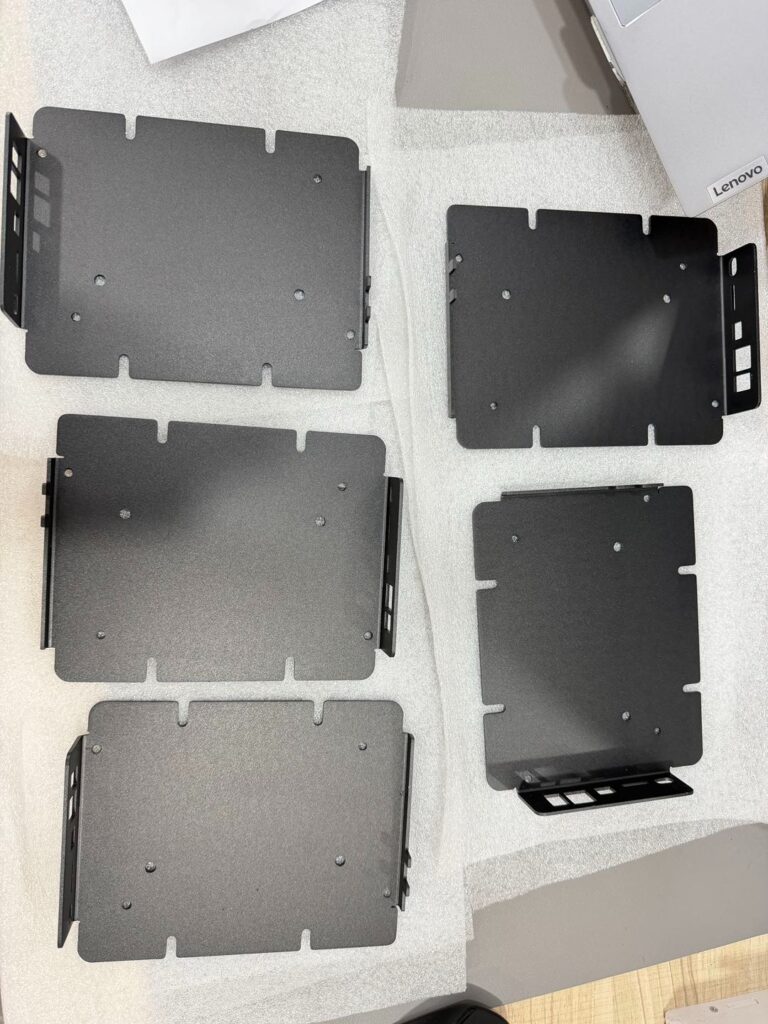
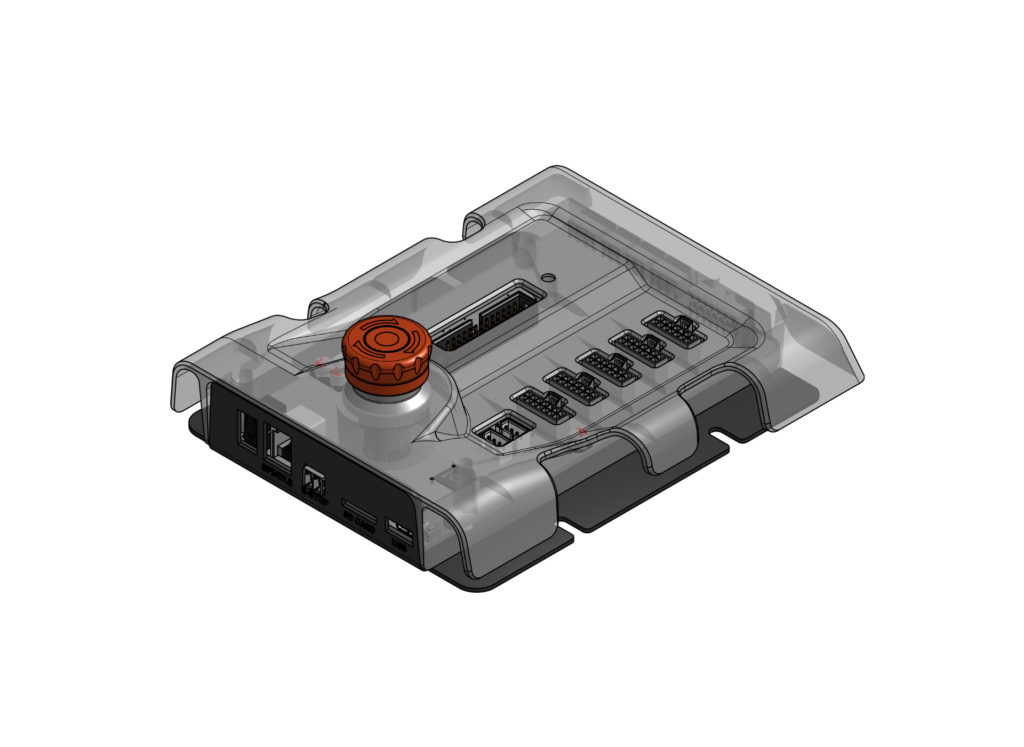
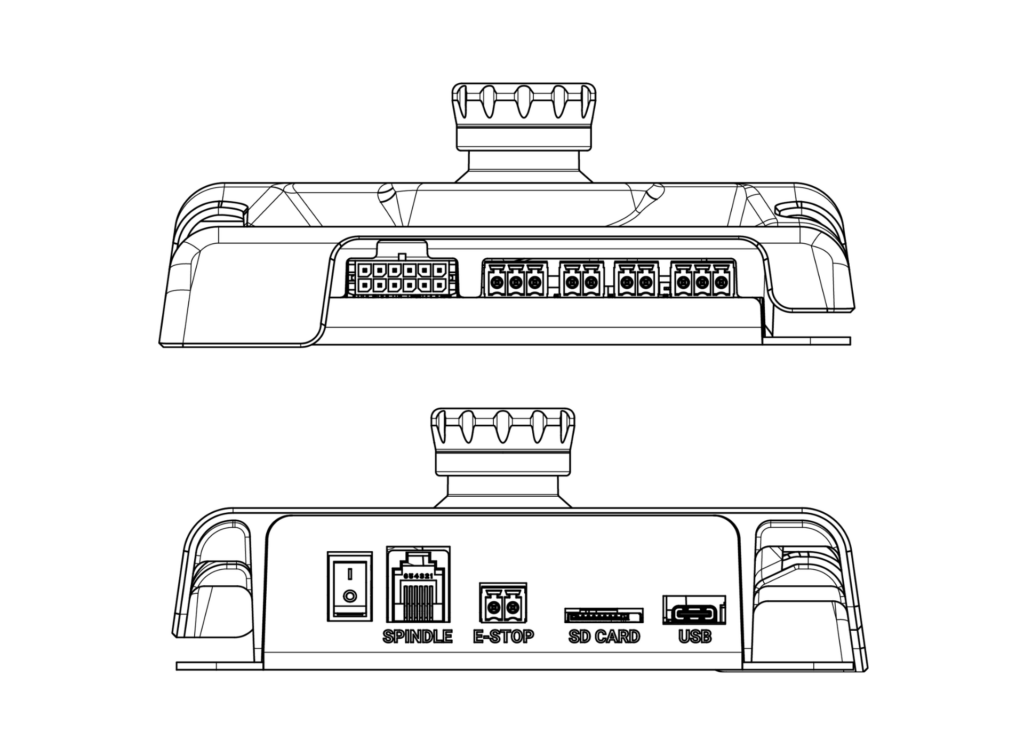
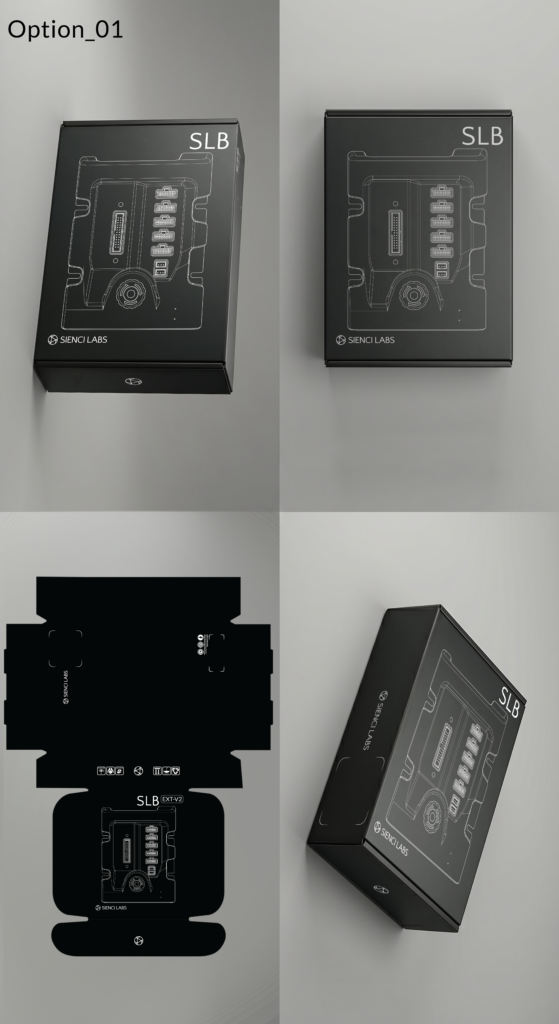
SLB and SLB-EXT has been out of stock on our store for the last few weeks, as we are waiting on cases for the boards to come in. This is likely to take about 6 weeks. However, customers who need boards for replacements on existing machines (LongMill MK2.5 and AltMill MK1 and MK2) can still get controller boards to swap out in their cases. We typically store stock for replacements between 3-5 years for existing machines, so new stock coming in will be used for general sales and for replacement service.
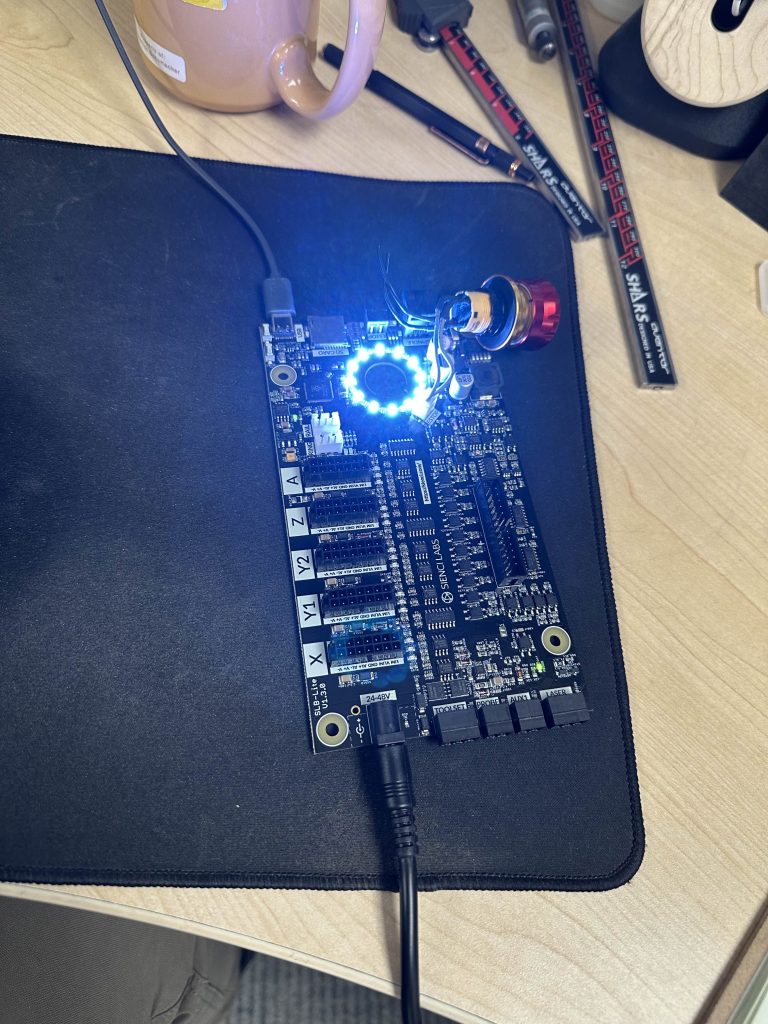
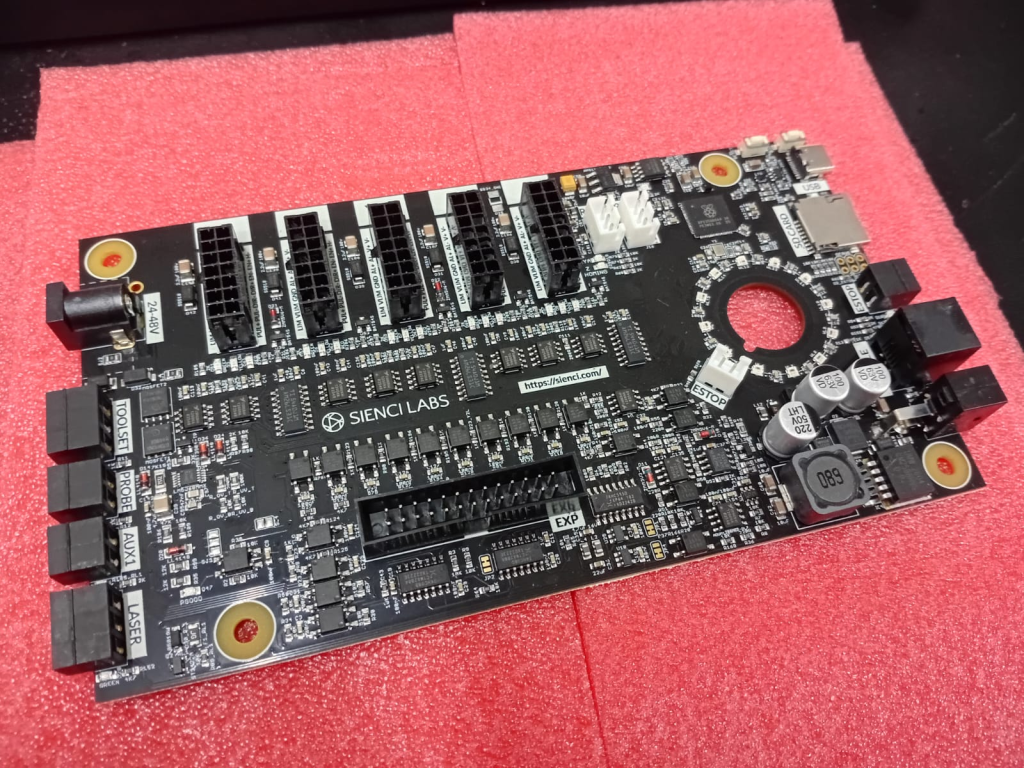
Otherwise, now that the SLB-LITE boards are done for the LongMill MK3, we are plugging away at SLB-EXT V2 development for the AltMill lineup, and we are tentatively expecting development for those to be complete and starting the phase over to the new version in December. Practically speaking the two versions are functionally the same, so we don’t expect much fanfare with the transition.
We are also working on the switch-over for the close-loop stepper kits, which were the retrofit kits for the LongMill MK2.5. These will be changed to the same systems as the new LongMill MK3 and should see a price decrease according to what cost savings we make on the kits.
gControl LITE?
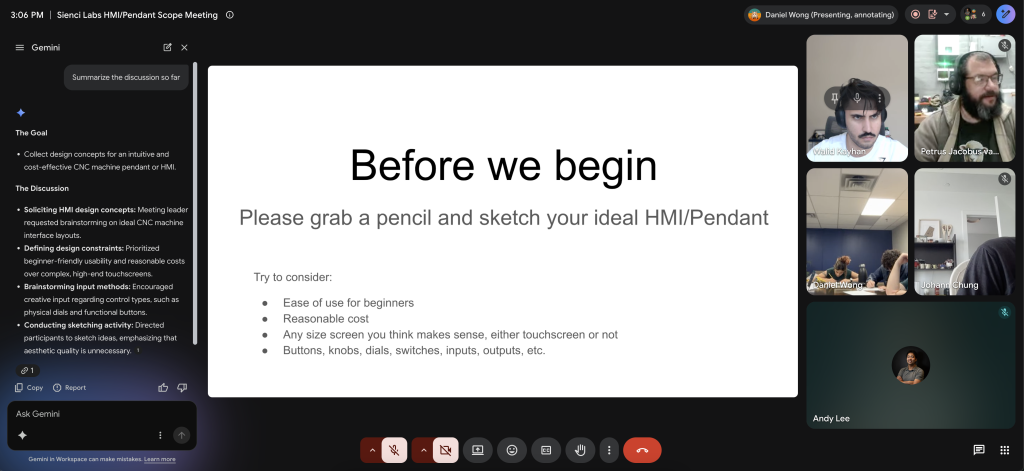
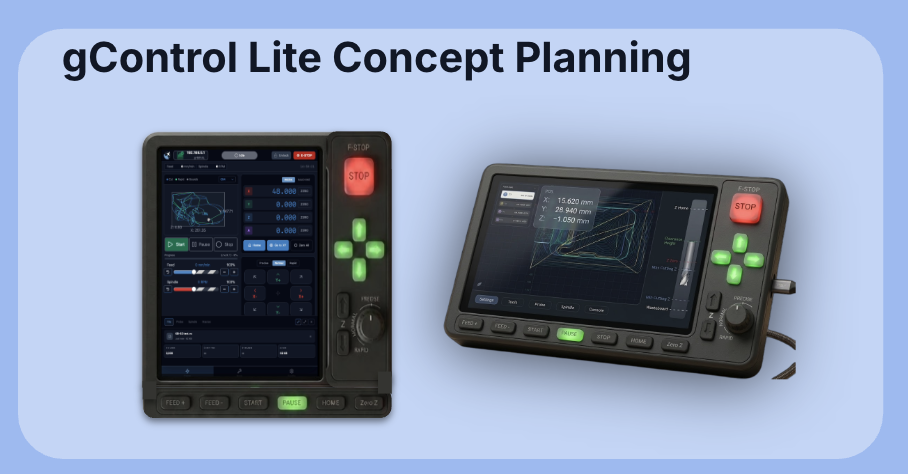
A lot of things going on with “gControl LITE” (a working name for now), with providing an option for a cheaper version of the gControl Panel Computer. Although we are keeping an eye on chip and memory prices for computers, due to the increase in prices that we have recently been experiencing, we haven’t been able to offer the gControl panel computers at a lower price as of yet.
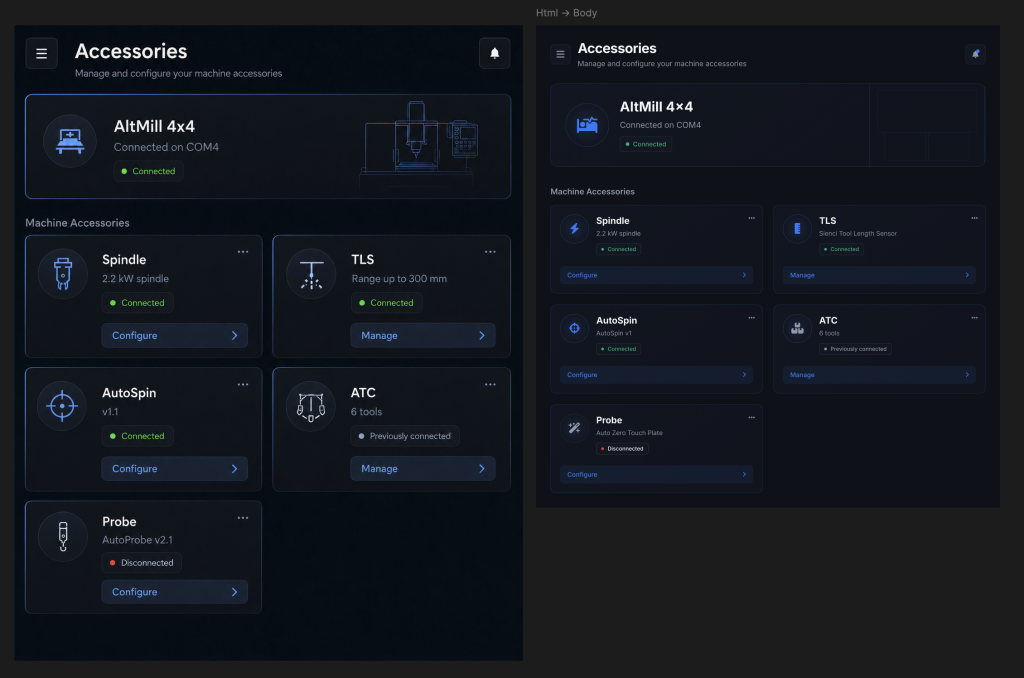
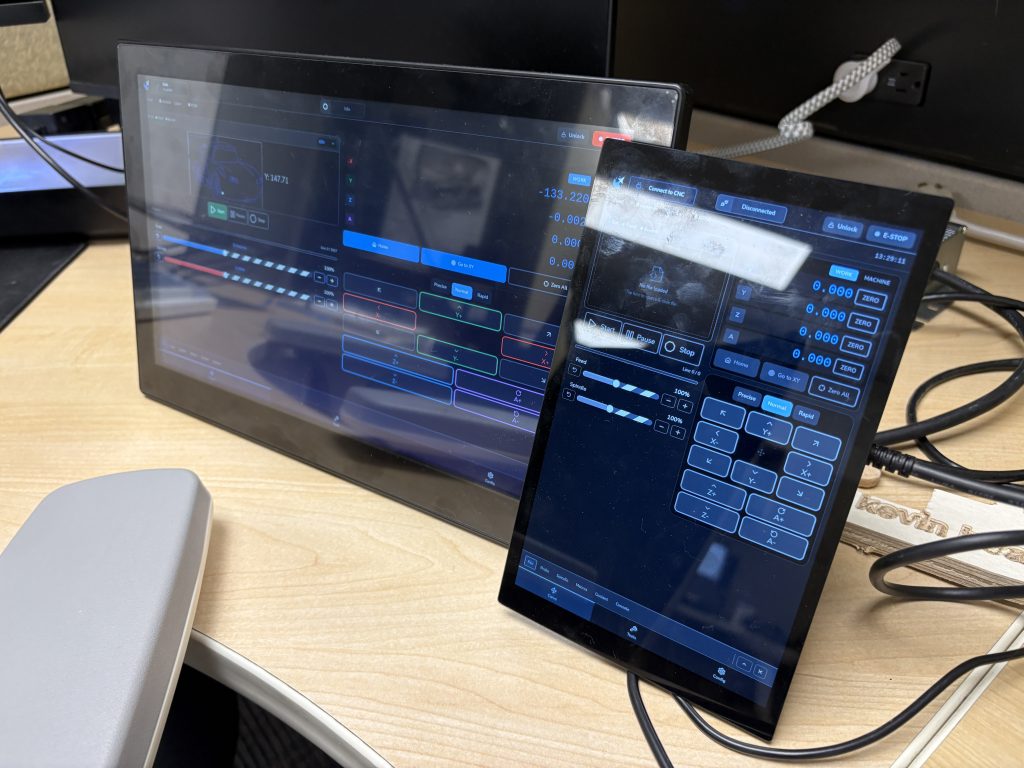
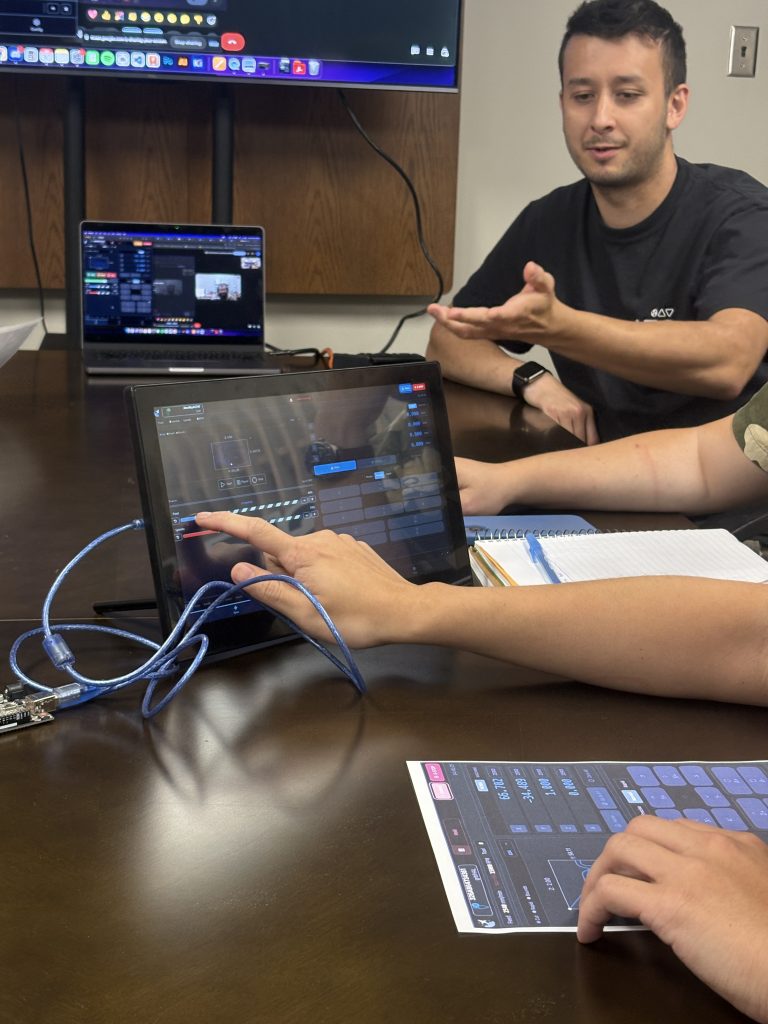
We’ve been working on a couple things, including a Linux-based tablet and, most recently, an Android app. As of right now, we’ve been finding that using an Android tablet with an Android app could be the most inexpensive but user-friendly option. One option is that people could potentially download the app, or we can offer a tablet that we sell specifically optimised for CNC operation.
We’ve been able to port over the existing version of gSender and make an Android app version of the software. We’ve also been able to test some interesting new features using some of the sensors, like the accelerometer, to control some different functions. Much of this is experimental for now, but it’s a very cool way to offer more reliable CNC control at a lower cost.
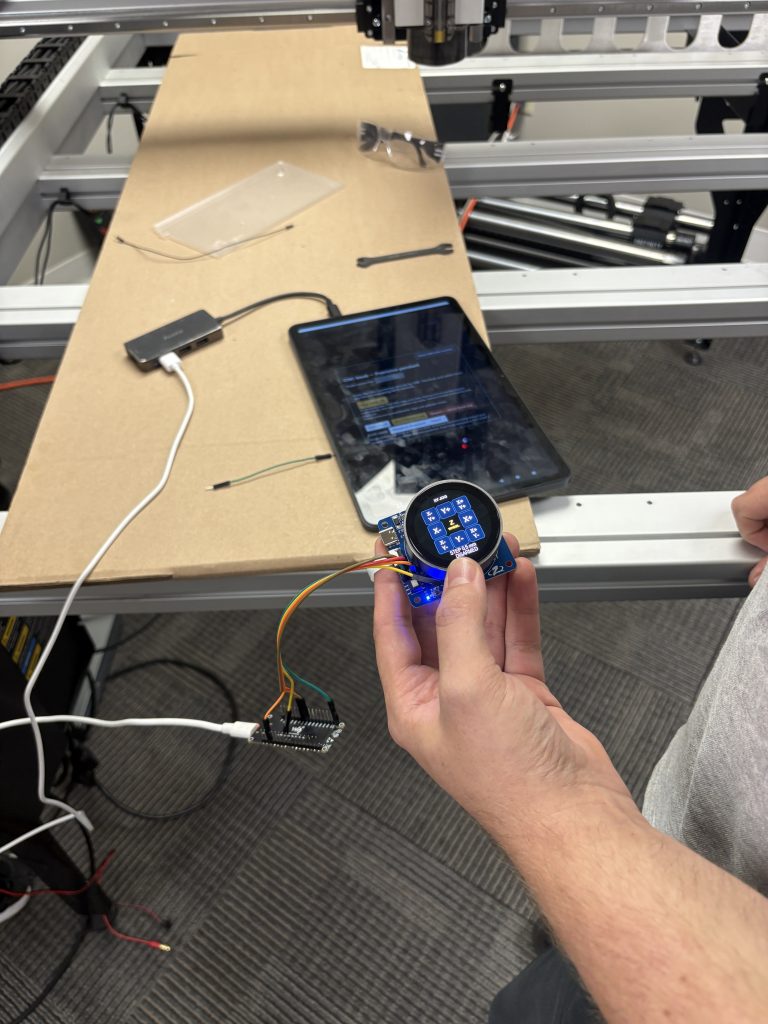
Otherwise, we are currently looking at different Android tablet suppliers. Although Android tablets are cheaper, we do need a reliable and high performance system due to the nature of the use in CNC, which requires higher end processors as well.
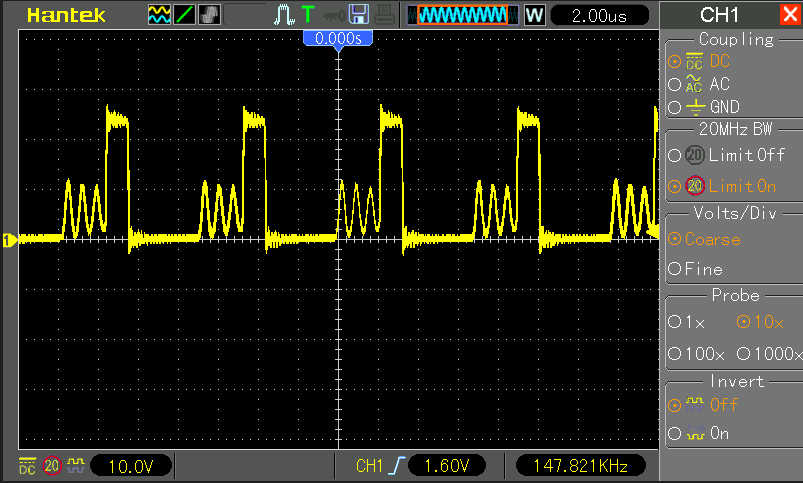
Auto-Configuration for GRBL HAL?
This is currently a bit of an experimental track of development but kind of indicative of the direction we are trying to go, in terms of streamlining the simplicity of our product line in the future. Right now we have a lot of different products and accessories that need to work in a lot of different configurations, and there is a set up process for each one. We’ve determined one of the ways we can simplify the process is if the electronics can communicate or detect each other so that some part of the set up, like the configuration portion, can be automated.