All about the LongMill MK2

Hey everyone, Andy here. I know lots of folks are excited about the LongMill MK2. I wanted to create this post to give everyone as much information about the LongMill MK2, the successor to the popular LongMill we released in late 2019. Initially, we were planning on getting all of the marketing materials ready for the MK2 ready before the launch, but we’ve been getting so many emails and calls from people wanting to place a pre-order for the MK2 now, that we’re going to open up the pre-orders early, and slowly put out all the flashy stuff later.

Order page for the LongMill MK2:  https://sienci.com/product/longmill-mk2/

This post will contain all of the meat and bones, from information about the development of the machine, all of the changes and considerations between the old and new machine design, production schedules, FAQs, and more. Hopefully, I’ll be able to answer all of the possible questions you might have before placing an order, as well as show all of the hard work that the engineering team here at Sienci Labs has put in over the past year to bring you the MK2.

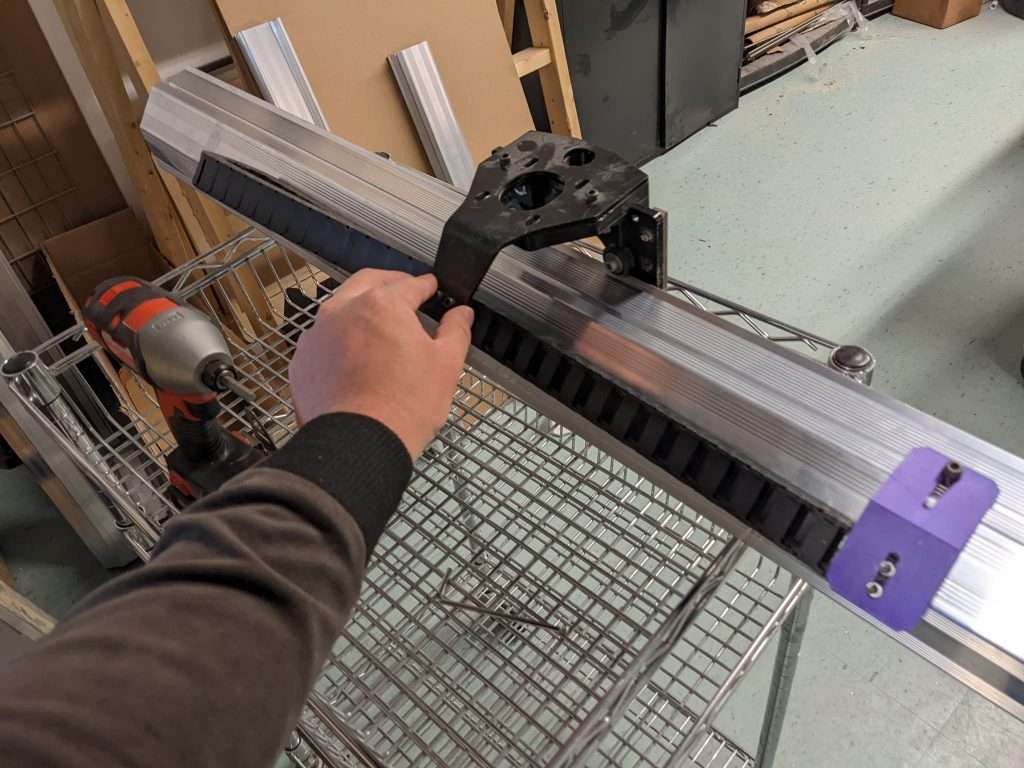
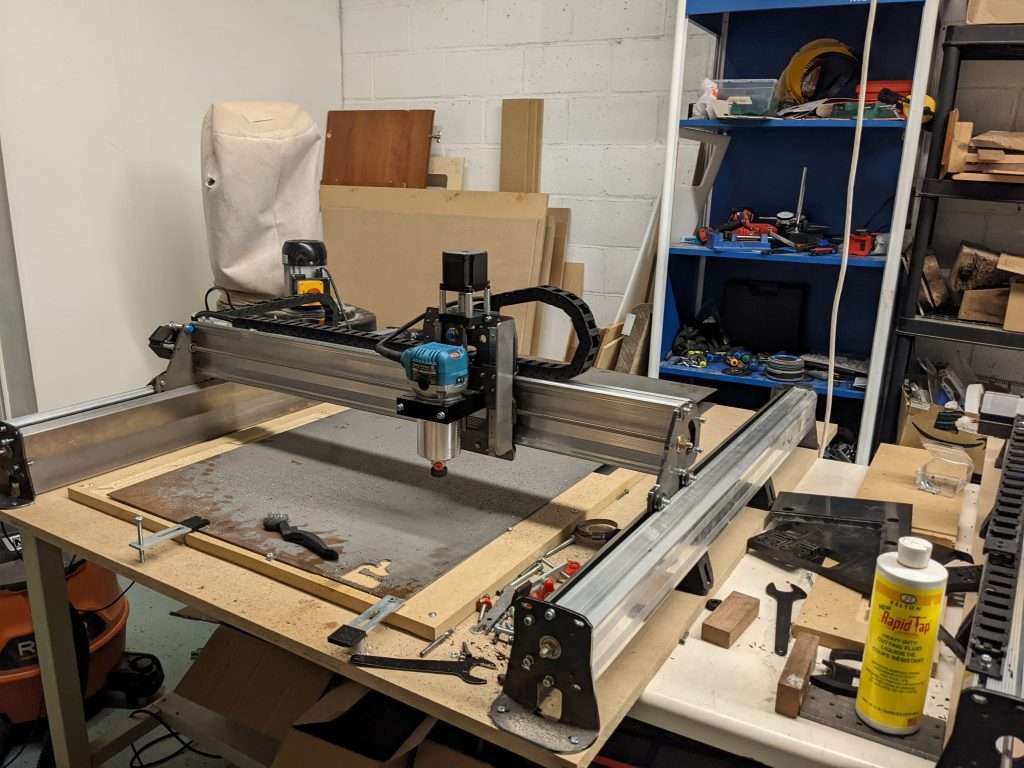
Our prototype of the LongMill MK2

Before you order…

Please note that:

  • LongMill MK2 resources are a work in progress and will be released at the end of January.
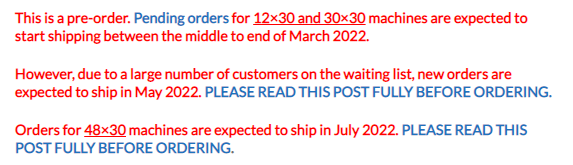
  • Machines are estimated to start shipping mid-February, but may extend to the end of March based on delays in production and shipping.
  • Only the 12×30 and 30×30 versions of the LongMill will be available at the current time. LongMill 30×48 and extension kits will be available for pre-order in February.

Why the MK2?

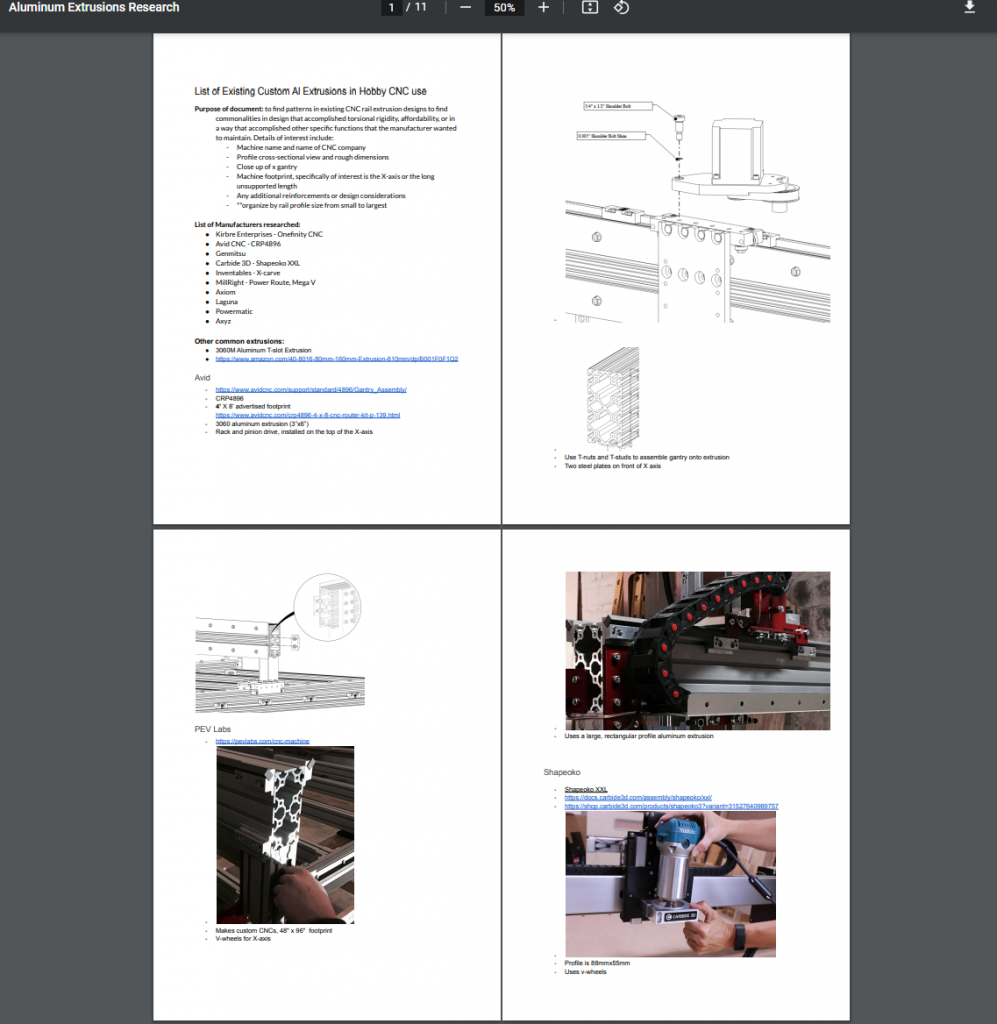
The idea of creating a newer updated version of the LongMill using custom extrusion was proposed by Chris in late 2020. We started researching and exploring the process of manufacturing aluminum extrusion, as well as making batches of extruded aluminum products just as the T-track and the LongMill angle aluminum rails.

Extrusion research

(From https://sienci.com/2021/10/15/altmill-and-longmill-survey-results-and-development-progress/)

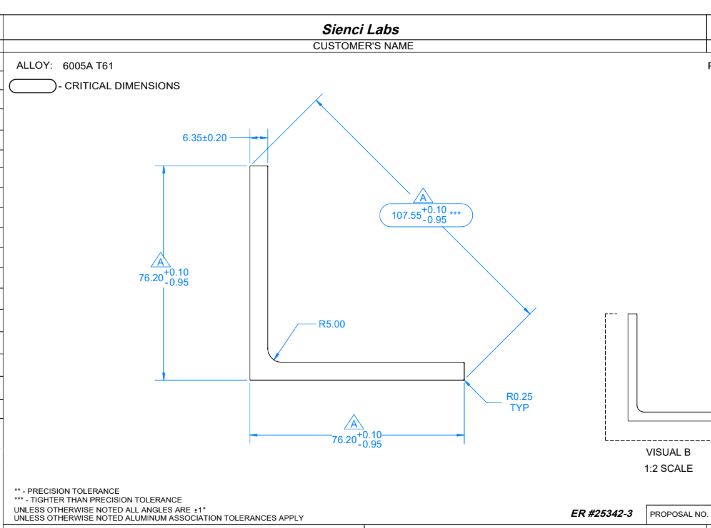
When we first started Sienci Labs, we found that using angle aluminum turned on its side provided a sturdy, simple, and affordable way to create a linear motion system. Given that aluminum angle extrusion was readily available off the shelf, we were able to create both small and large batches of rails quickly and easily, without worrying about custom tooling and MOQs. I would attribute this factor as an important reason for getting us to this stage in our company, as we were able to continue to scale our production as we continued to build more CNC machines.

The first area to talk about would be the accuracy of rails over high volume. In 2020, we encountered a new problem. While all of the angle aluminum we had received in previous batches were made to high tolerances, we had received a new batch of material that varied in the length of each arm and angle, causing less than an optimal fit of v-wheels. This gave us an opportunity to look deeper into tolerances in extrusion manufacturing as well as perform additional quality checks to ensure each rail was made to a high degree of accuracy. We also learned that it would be a reality that at high volumes, it would be important to ensure we tackle issues at the production side with our manufacturers, since we couldn’t trust them to make every rail perfectly unless we provided the correct specifications for the rails.

This lead us to make our own “custom” angle aluminum. Basically, we arranged production of the angle aluminum using a new die made specifically for us at a higher tolerance than the industry standard, as well as extruding the material at precision spec. With these changes, we were able to reduce the number of out-of-spec rails to near zero. This also set up a better understanding of the extrusion process and the process and costs involved in it. It also gave us a chance to work with the extrusion manufacturer to work out design kinks and set us up for future development.

Today, we use tens of thousands of pounds of aluminum a year to make our rails, way higher than practical MOQs for producing custom extrusion. Because we use so much aluminum, the cost of the dies and tooling became negligible compared to the overall cost of the extrusions. So let’s talk about why custom extrusion makes sense, and some cons/downsides as well.

Improved performance

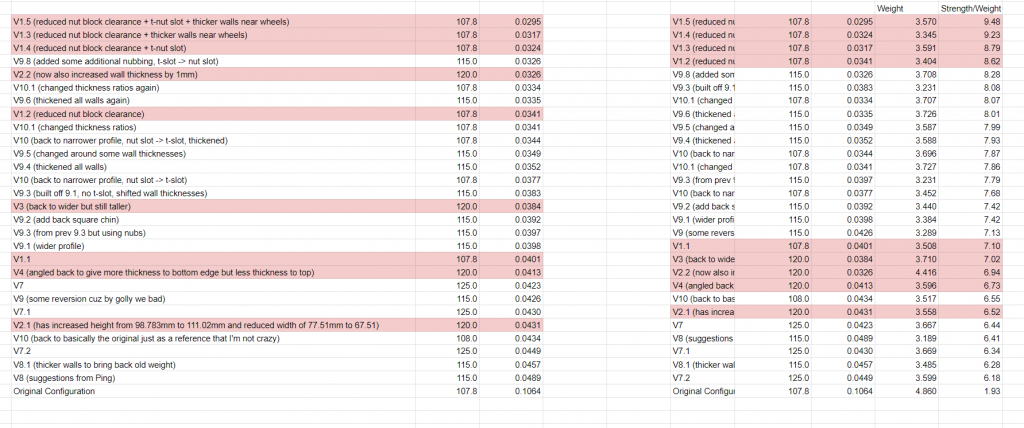
Designing our own custom extrusions lets us create a design that is more optimal for rigidity than angle aluminum. Chris conducted dozens of simulations and tests to find the most optimal designs for the new rails. Based on the results, we can expect 2-3 times less deflection in the rail than the original design. I would note that these are simulations, and real-life results are likely to show less of a difference since the numbers do not reflect deflection from v-wheels, linear guides, and other parts in the machine.

Comparison spreadsheet of different extrusion designs

This is especially important as we continue the development of larger versions of the LongMill since longer rails inherently have more deflection.

Ease of assembly

The new extrusions also include additional features that will make it easier to assemble and require fewer parts. For example, by including tapped holes on each face of the extrusions, users will be able to mount the rail to the gantry plate without any brackets. Each rail also has a t-slot, so all drag chain components can be mounted without additional tapped holes. Overall this will reduce the number of fasteners needed, the number of unique fasteners, as well as assembly time and complexity.

Improved scalability

Although time will have to tell, we expect that the new rails will be easier to produce on a larger scale. Since we already need to custom manufacture our own angle aluminum, lead times for both the angle aluminum and custom extrusion are the same. Since the custom extrusion requires less machining, we expect it to be slightly easier and less expensive to process the rail after it has been extruded. Also, since the rail requires fewer parts and a lower number of unique parts to put together the overall machine, it will save time and effort in sourcing and purchasing as well.

We are also working on cutting and tapping rails in-house, allowing us to have more flexibility in the sizes and variations in the machines we produce as well.

Less production flexibility and a step away from replicability

Since angle aluminum is a fairly universal product that can be purchased off the shelf, a determined maker should be able to replicate the rail design of the LongMill and make their own custom machine from scratch. It would be much more difficult to replicate the new custom extrusion, as the costs to produce a small number of rails are incredibly high. This, I feel, is a step away from the openness of the platform. We will continue to fully open-source the designs as we have always done, but part of the open-source movement is considering the replicability of the product. This was an important consideration when we started this development, and these are some considerations and why we made this step:

  • The number of people who make their machine from scratch is incredibly low. While there are people who use the LongMill design to make their own machine, making the designs available for this purpose serves a very small population.
  • The net benefit of having a simpler, better machine that is more easily scalable provides more benefit in our goal to make CNC accessible to beginners than to have a machine that can be made from scratch.
  • Most people who make modifications to their machines generally do it after they purchase and assemble a manufactured kit. Continuing to make the design public will continue to support people who wish to simply modify a kit
  • Building a machine from scratch generally costs more and will not perform better than a stock LongMill. We have extensively optimized the design and put an insane amount of thought and consideration to the quality of each part. Parts such as the couplers, Delrin nuts, and even the 3D printing filament are all custom made specifically for us at a higher tolerance than off the shefl components. Since we work within high volumes, we are also able to take advantange of economies of scale that do not come with buying parts in small numbers. Because of this, I believe that folks who want to build a machine from scratch would only benefit if they plan on making extensive changes to fit a specific need, or are doing it for the fun of making the machine. There are of course other designs and options that people can build besides the LongMill that lend itself in being made from scratch.

Backward compatibility

While the rails have been designed to be as backward compatible as possible, and many of the old LongMill parts can be used on the new rails, this brings up another important debate, which is “is it better to take apart and modify an old LongMill to put new parts on it, or is it better to buy a new one?” This is what I think.

First of all, if you already have a LongMill and are happy with the current size of it, I believe that keeping it the way it is and continuing to use it is the best option. While the newer versions of the LongMill will perform better, not only does the current version work well already, the extra cost to switch over parts isn’t worth the extra performance you may get. Instead, investing in other things, such as better tooling, software, and materials for projects may give a better return on investment. It should also be noted that the price of the MK2 LongMill will be higher than the current LongMill, so that we can account for changes in material prices, cost to build the machines themselves, and inflation.

If you are wanting to upgrade the machine to a larger size, then the debate gets a little more tricky. If you take apart your old LongMill to swap in new rails and lead screws, you’ll be left with a lot of leftover parts. Instead, it may make more sense to sell the LongMill and buy a whole new machine instead. So the formula would go:

(Cost to buy a larger LongMill – Price you sell your old LongMill) v.s. Price of the upgrade

I personally like the idea that instead of having this be an opportunity for a new user to scoop up a used LongMill at a discount so that they can get into the CNC hobby and prevent having a bunch of unused parts lying around. The net number of machines is one instead of two.

Of course, we will offer both an upgrade kit and full kit options to customers. These parts are interchangeable between all generations of the LongMill:

  • Motors and electronics
  • Lead screws, couplers, and nuts
  • V-wheels, fasteners, and eccentric nuts
  • XZ gantry assembly
  • Drag chains

Beta Testing

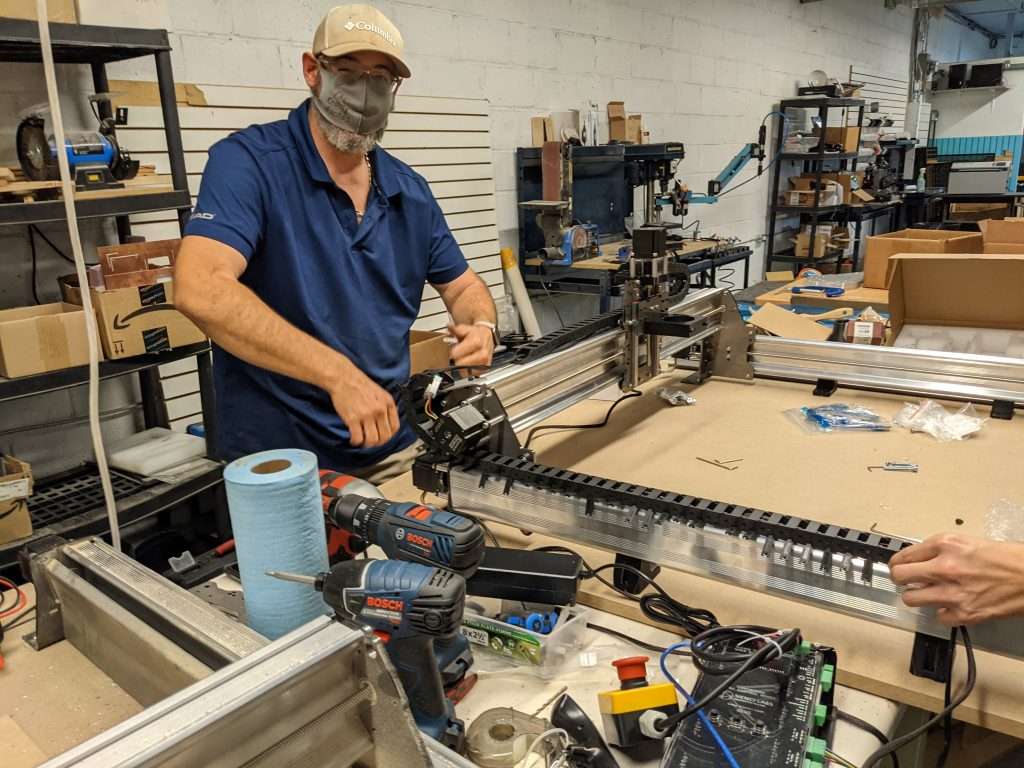
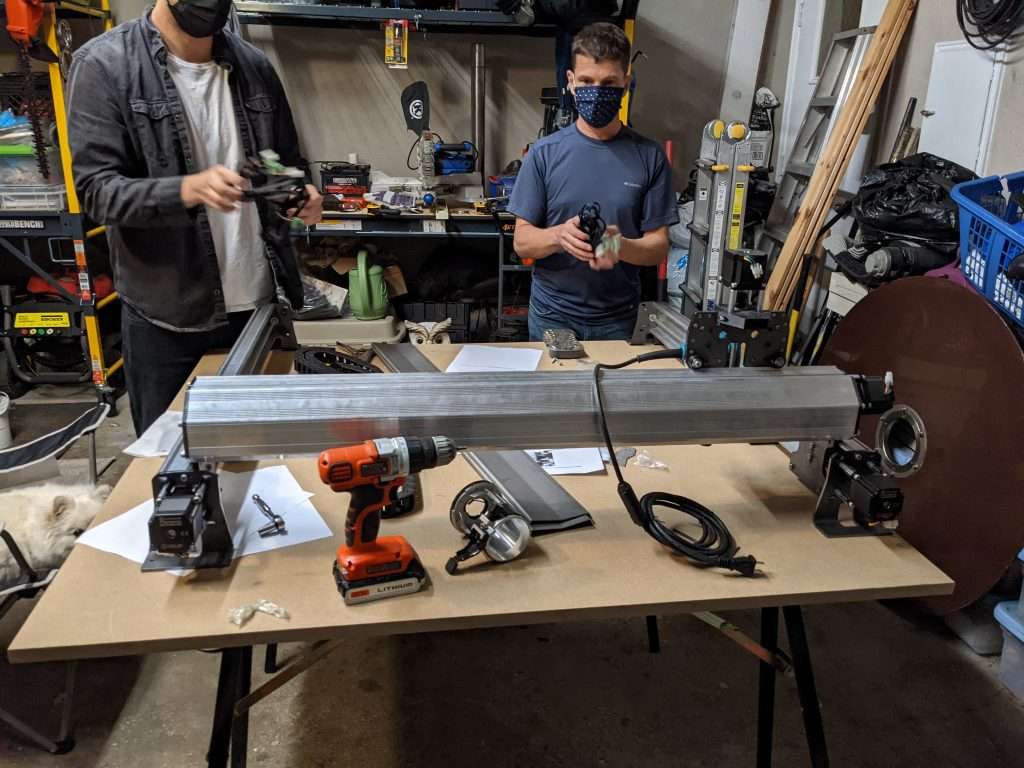
To assist with the development of the LongMill MK2, we recruited several beta testers. We provided our testers with prototype versions of the LongMill MK2 30×30 for testing and use in their personal shops as well as one-on-one assistance from me directly and the rest of the engineering team.

Thank you Dale, Andy, and Ed for being our guinea pigs.

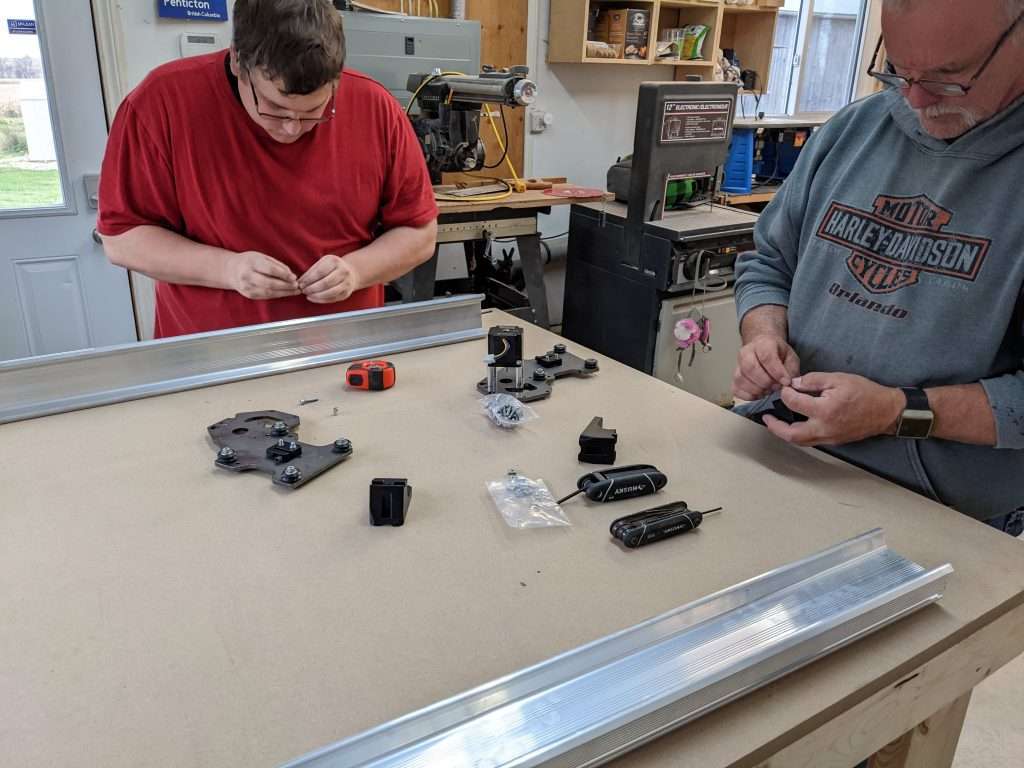
Andy and his father assembling their MK2
Dale, finishing up the wiring on his beta machine.

Our beta testers were responsible for several tasks, including:

  • Putting the machine through its paces
  • Reporting back to us with feedback on a regular basis
  • Letting us observe and test their machines

A couple of key areas we wanted learn were:

  • What are the best ways to assemble the machine? How can we make the assembly faster, easier, and less prone to error?
  • What sort of long term use and maintenence concerns would there be?
  • How much of a performance difference is there between the two machines?
  • Are there any design improvements we can make before production?

Here are some things we learned:

  • Average assembly time between all of the beta testers were 2-3 hours, an overall improvement of from 4 hours that most users report spending to assemble their LongMill.
  • Wear and tear and maintenence is expected to be similar to the original LongMill, especially since it shares the same motors, lead screws, and delrin nuts.
Ed and Daniel (one of our engineers) figuring out the wiring on their LongMill

Overall, the engineering team here at Sienci Labs did an excellent job designing a worthy successor to the Longmill MK1. I was impressed on how easily everything came together. Overall, we faced very few issues in the beta testing phase of development, especially compared to the initial beta testing of the LongMill MK1. I believe this is a testament to our growth in experience and knowledge gained over the last three years of LongMill MK1 development and production.

How is the MK2 better?

The MK2 is an improvement to the current LongMill in these ways:

Fewer overall parts and a simpler design means faster and easier assembly

There have been several critical improvements to the LongMill MK2 design that makes assembly faster and easier.

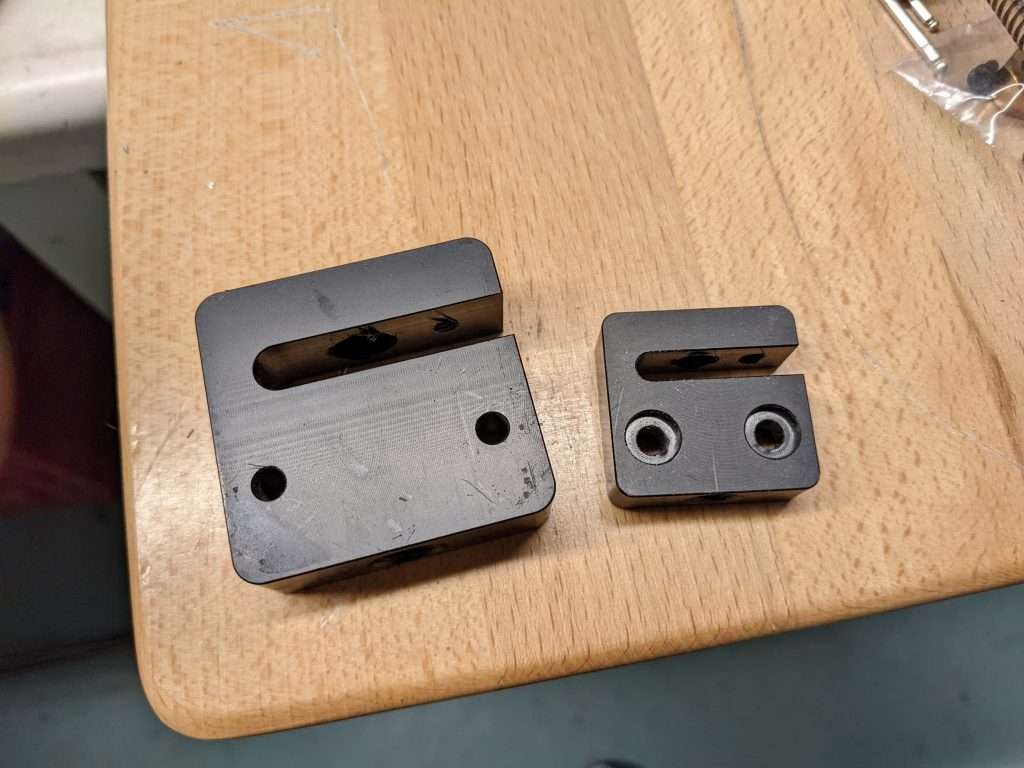
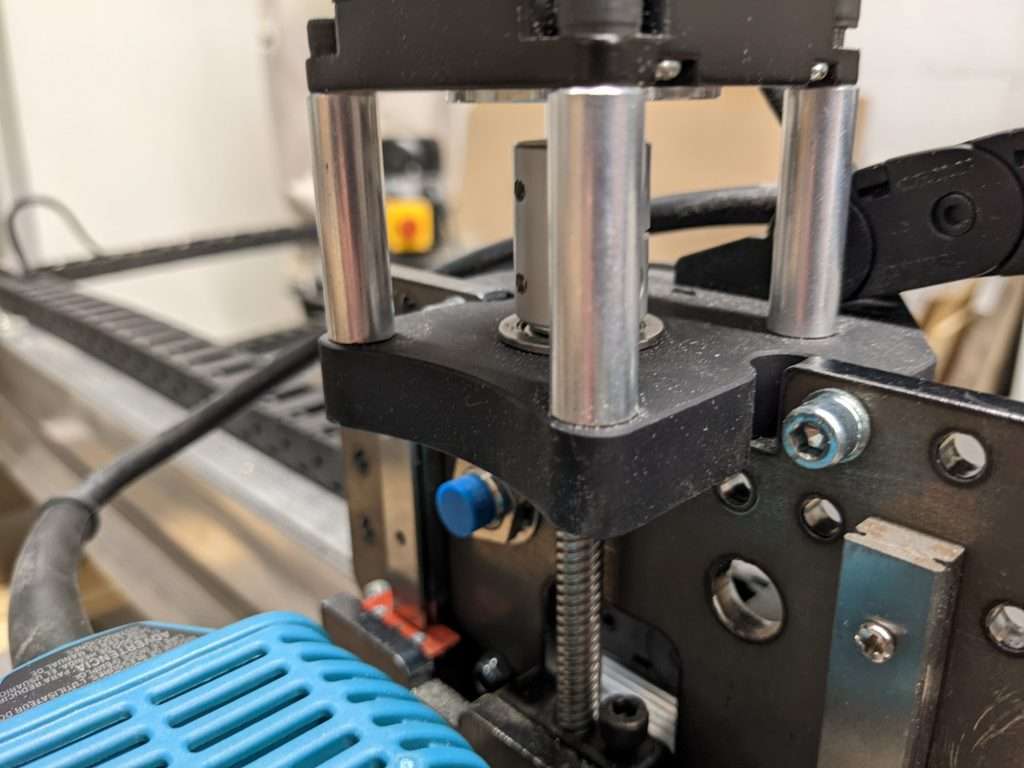
First is the overall reduction of 3D printed parts. With the exception of the middle feet and dust shoe parts, we’ve redesigned parts to be made from steel or aluminum. For example, the MK2 Z motor mount design uses a machined aluminum part to hold the motor and lead screw parts together rather than the original combination of a steel and 3D printed part.

MK2 Aluminum Motor Mount
3D printed Z motor mount with Z motor plate on the LongMill MK1.

Other parts, such as the front and back feet have also been changed from 3D printed parts to formed sheet metal parts.

We’ve found that one of the biggest pain points for our customers was dealing with inconsistencies with 3D printed parts, such as nuts not fitting correctly and parts breaking. With steel and aluminum parts, we are able to produce them at a higher level of precision, making the assembly a smoother process.

The second is with reducing the overall part variety in the MK2. Rather than making the X rail a two-part assembly joining two rails in the MK1, the MK2 uses one single rail that is not only lighter but more rigid. This eliminates a tricky assembly step but the hardware required to put it together as well.

We also made many of the parts interchangeable. While the MK1 uses 6 different types of the front, back, and middle feet, the MK2 only uses 2 different parts that stand-in for all of the feet. This means that customers don’t need to root around and identify each foot they need for their assembly.

Lastly, we’ve significantly reduced the number of types of fasteners used for assembly. The MK2 now can be assembled completely with two Allen keys, a 2.5mm and 4mm Allen key (included).

Based on our beta testing results, the average assembly time for the LongMill MK2 was 2.5 hours.

Optimized rail design reduces overall deflection by up to 50%

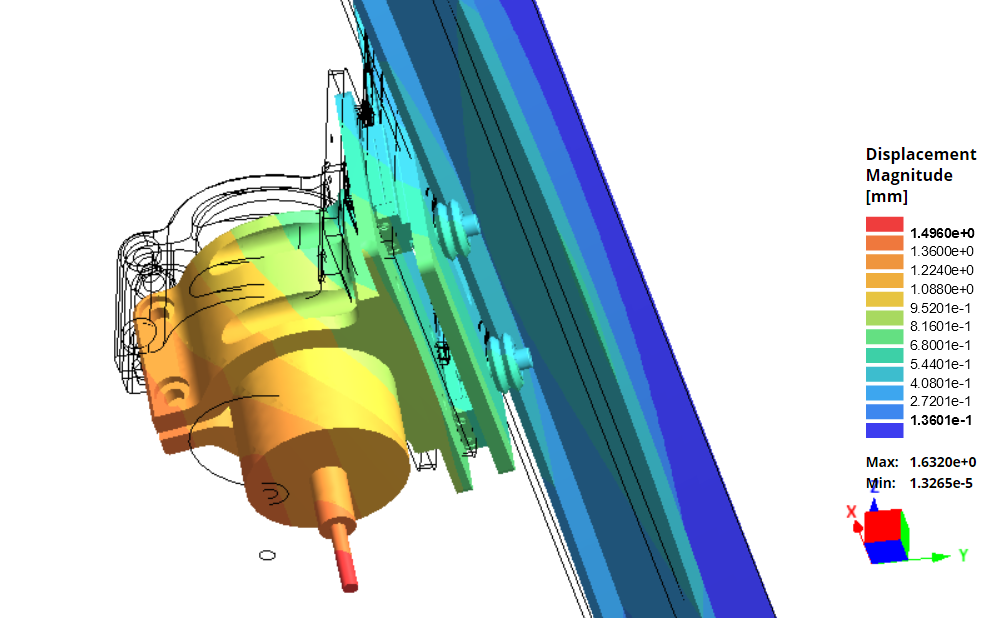
Based on our testing, the MK2 deflects 30% less in the Y-direction and 50% less in the X-direction, using a 10kg load on an end mill. This improvement in rigidity is attributed primarily to the improvement in rigidity of the rails and should allow the machine to run faster, harder, and with a better surface finish.

An example of a simulation done on the computer

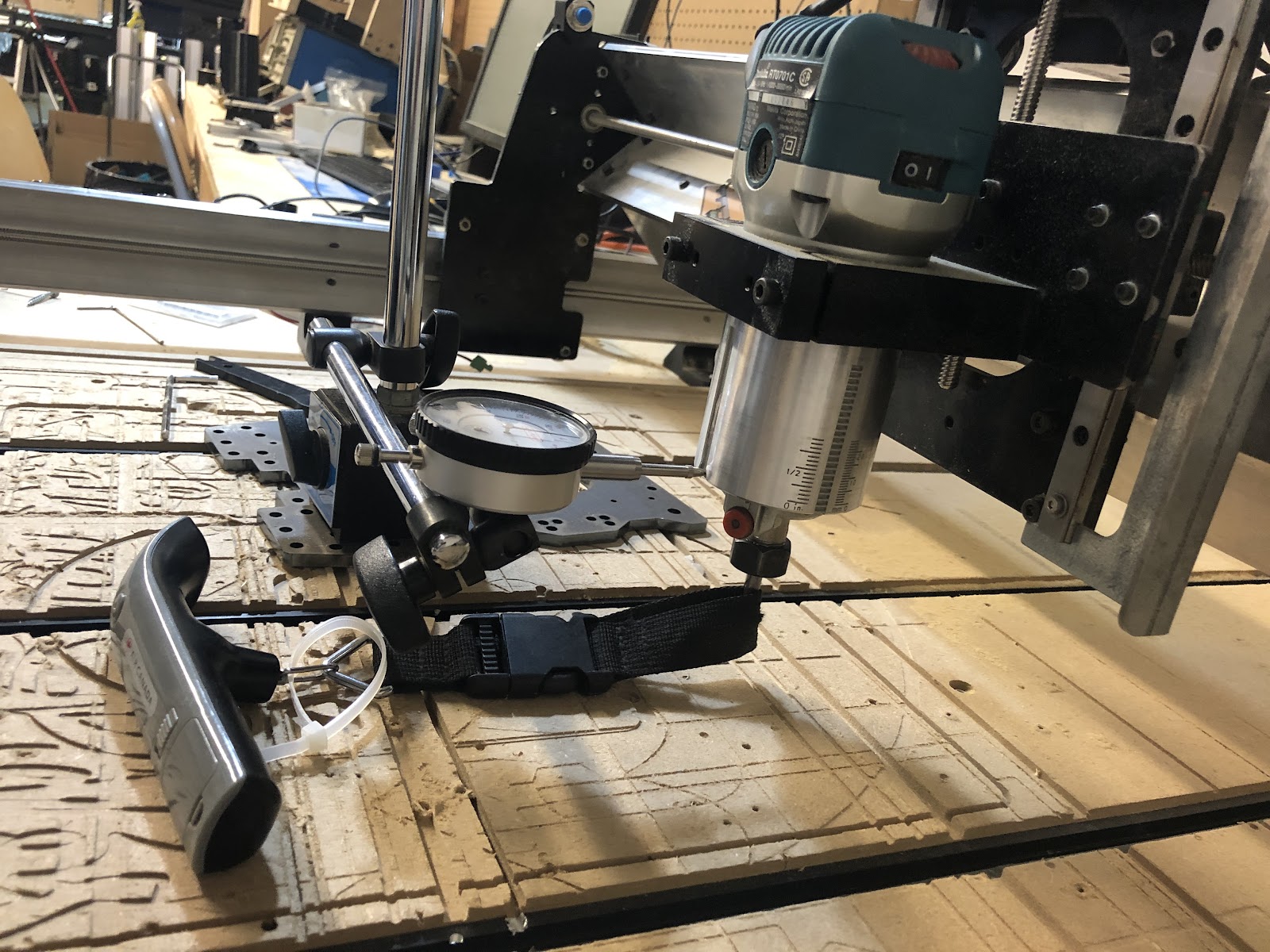
Testing the MK2 at 8mm DOC at over 3500mm/min

Other small changes to the LongMill MK2

There are a couple of other small changes that have been implemented on the MK2, as follows:

  • 24V 10A power supplies have been upgraded to 24V 12.5A power supplies. The higher power supply is expected to provide more headroom for stock electronics and allow for easier upgradability for the addition of higher power motors in the future. However, the 24V 12.5A power supplies will only be compatible with North American voltages (110V-120V) and customers that use higher voltages (220V-240V) will need a transformer or alternative power supply to use their machines in their country.
  • Most hardware supplied will come with integrated lockwashers, helping prevent screws from backing out over time.
  • Each kit will come with small wrenches and allen keys to do assembly. Customers will still need a drill or driver to mount their machine to a base.

Production timeline

We expect all of the parts needed to start shipping LongMill MK2s to arrive between now and the end of January. We estimate that the first LongMill MK2s will start shipping in the middle to the end of February. However, due to overall delays and issues in the supply chain industry, customers should prepare to have their orders potentially be delayed until March. We expect delays to come primarily from shipping delays from incoming parts.

All of the parts needed to start production are expected to arrive at the end of March/early April. Parts that have already arrived are actively being packed to prep for shipping. For the latest production updates, please see our blog: https://sienci.com/blog

A list of pending orders can be found here: https://sienci.com/order-status

Please note:

  • We will update the estimated shipping and delivery times on the product page.
  • Please prepare for delays due to material shortages. We are doing our best to keep things on schedule, but sometimes we are hit with unexpected delays and shortages out of our control.

We are currently working towards expanding our production capacity, and we have several things we are working on such as:

  • Creating outdoor storage and additional storage space to hold more parts
  • Hiring more packing and operations staff
  • Hiring more customer support and resource development staff
  • Purchasing and stockpiling additional inventory

We will keep customers updated through email for:

  • When their order is being packed (pre-shipping notice)
  • When their order ships, which includes the tracking number

Answering your questions

We recently put out a call for questions about the MK2. Although some of the questions have been reworded for clarity, I’ve done my best to answer as many questions as possible that may not have been answered earlier.

What is the working area of the LongMill MK2?

The LongMill MK2 30×30 has a maximum working area of 820mm or 32.28″ in the X-axis and 868mm or 34.17″ in the Y-axis.

The LongMill MK2 12×30 has a maximum working area of 820mm or 32.28″ in the X-axis and 368mm or 14.48″ in the Y-axis.

The total Z-travel for both machines is approximately 125mm or 4.9″. Total working area may vary slightly depending on the addition of a dust shoe, inductive sensors, and other add-ons.

For dimensioned drawings, please download the PDF.

Will the older version (the MK1) be available once the MK2 is released?

Once we have sold all of the MK1 machines, they will be discontinued and will no longer be available.

If I have a MK1 on order, can I change my order to a MK2?

If you placed an order for the MK1 and it hasn’t shipped yet, please cancel your initial order and place a new order for the LongMill MK2. The best way to get in touch with us to cancel your order is through our contact form on our website: https://sienci.com/contact-us/

What software can be used with the LongMill MK2?

Any software that already works with the LongMill will work with the MK2. For a full list of compatible software, please check out our Software Resources.

Will the MK2 be able to support a 4th axis?

No, the MK2 will not come with 4th axis compatibility.

Will there be assembly instructions or videos on putting together the MK2?

Yes, our team is currently working on the assembly manual for the MK2. Videos will also follow to assist users in the assembly process. New resources will be available at the end of January.

Is there an upgrade path from the MK1 to the MK2?

With the number of different parts that are needed to upgrade a MK1 to a MK2, it may be easier to write the parts that can be carried over between the MK1 and MK2, which include:

  • Motors (with the exception of the Z axis motor)
  • Bearings
  • Lead screws
  • Anti-backlash Delrin Nuts
  • ACME locking nuts
  • Motor spacer
  • Couplers (one extra coupler is needed to complete the upgrade)
  • Control board and e-stop
  • Eccentric nuts
  • Power supply
  • Delrin V-wheels
  • Drag chains

At the current time, we are not planning on having an “upgrade kit” for the MK1 to MK2, but we may consider creating one based on customer feedback.

If you want to read more about my personal opinion on whether its worth upgrading your MK1 to a MK2, here is an excerpt from one of my previous posts:

“To also note, for some people who might be wondering, making a dedicated kit to swap out rails and gantries to change a current LongMill to a MK2 is not our priority. We don’t think the extra cost doesn’t justify the real-life increase in performance, we don’t want to create a lot of extra waste, and if a machine is already assembled, most of the benefits that come with the faster/easier assembly is never realized (since you have to take apart and reassemble a machine). We will still offer individual parts on our store for customers (as we already do), so folks can make up their own mind. I’d also like to note that there WILL be a kit to use the original LongMill and add a longer X-axis (48×30 in the working area).”

Also to add onto this, the kit to extend the X-axis from 30 inches to 48 inches will work for both the MK1 and MK2.

Is the price increase from the MK1 to the MK2 justified?

There will be approximately a 20% price difference between the MK1 and MK2.

The price increase between the two versions comes due to several factors, both internally and externally.

The first reason for a price increase comes from the fact that the MK2 costs more to manufacture. Over the past two years, we’ve experienced price increases in nearly all parts and materials across the board. Although we’ve been able to keep our prices low as our scale overall reduced other costs through the power of economies of scale, we now produce a high enough volume of machines that any increases in volume have less of an impact on the unit cost of each machine. We also expect that prices for parts to continue to rise over time, and this price increase accounts for overall increasing costs.

The second reason is the demand and capacity that we can handle. At the current time, wait times for MK1 continue to be long and we expect that it will still take us a few months for us to scale up to handle the growing demand. This price increase is to help reduce overall demand as we continue to scale production up at our shop.

And lastly, we believe that the MK2 is simply a better overall machine. Although the improvements between the machines are generally incremental, we believe that the performance and quality improvements justify a slightly higher price tag.

When will the LongMill MK2 ship?

03/02/2022 EDIT: Due to shipping delays pre-orders are now expected to ship end of March, see February production update here.

Pre-orders are expected to ship starting mid-February. However, not all parts and materials have currently arrived for the MK2, and are subject to production delays. Additional updates on production will be provided as production continues. Customers should prepare for potential production delays in the case of supply chain issues.

When will the LongMill MK2 30×48 and the extension kit be available?

Parts for the larger version of the LongMill have been ordered and are in production. We expect parts to arrive at the end of February and the kits to be ready soon after. A pre-order page will be available around the end of January or February.

Do you take the payment now or when the order ships?

Full payment is required to hold your place in line. You can request a cancellation with no penalty or cost at any time before your machine ships.

Is there any way to get my order sooner?

No, all orders will be shipped in queue of when the order was placed. There are no exceptions.

Are you looking for any beta testers or reviewers?

No, our beta testing program is now closed. Thank you to all of our beta testers who have been working with us to test and make improvements to the MK2.

Will the LaserBeam or any other laser work with the MK2?

Any laser that currently works with the LongMill will work exactly the same with the MK2 and the LaserBeam will be fully supported with the MK2.

Will the MK2 support any spindles?

At the time of release, no. However, we are planning to be working on spindle options in the second half of the year that will be compatible with the MK2. Users however are welcome to add third party spindles and we sell different size router mounts on our store (up to 80mm).

Would adding an extra set of rails to the front and back of the machine improve stability or squareness?

Although the answer is technically yes, for most users, having a sturdy bench and following our installation instructions will still offer the fastest and easiest way to set up their machines. For users who wish to do additional modifications, all of our 3D CAD design files will be available from our resources in the coming weeks.

Is there an upgrade path between the MK1 and MK2?

Since a lot of parts are shared between the MK1 and MK2, a user could potentially swap some of their parts from the MK1 to the MK2. However, in my personal opinion, if you’ve already set up and assembled a MK1 already, the differences between the two machines are not large enough to be worth spending the time and money to upgrade.

That being said, we will make the extension kits work with both the MK1 and MK2, so if you will not have to upgrade your machine to be able to extend the X-axis.

Will this be a Kickstarter?

No, we will allow customers to place orders directly from our website.

Will there be any custom size options?

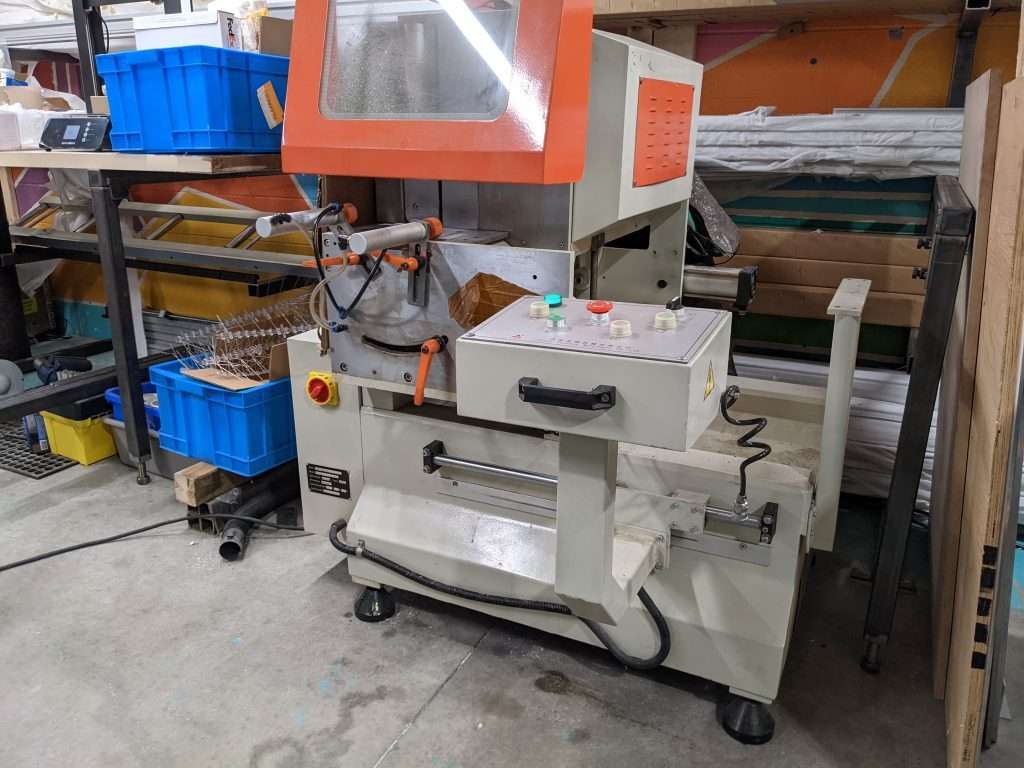
At this time, no, but since we have recently purchased our own extrusion cutting saw, if there is enough interest, we may consider offering machines in a larger variety of sizes.

Does the MK2 come with limit switches?

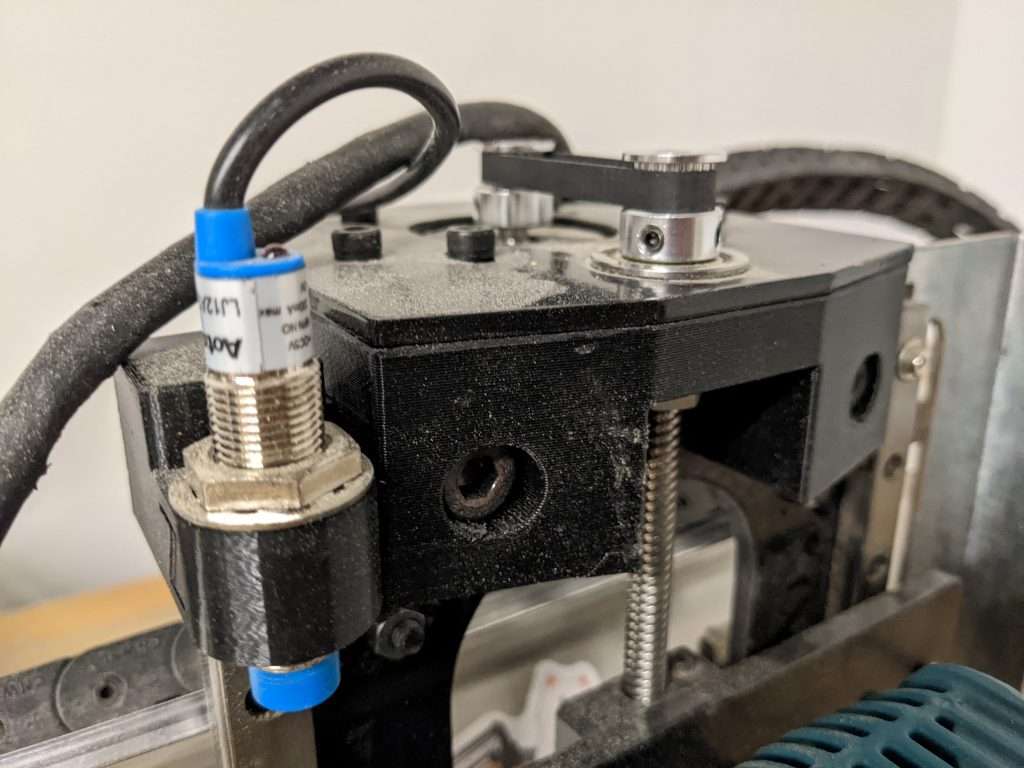
The MK2 can be ordered with a set of optional inductive limit switches. Since the MK2 has been designed with limit switches in mind, they will have a more robust installation compared to the MK1.

Will there be a built-in way to tram the MK2?

The MK2, like its predecessor, will not come with a tramming system found in some higher-end machines. Assembling the machine following our instructions will result in a machine trammed close enough for nearly all woodworking projects. However, for users who wish to explore tramming, the mounting method for the X-axis will allow for easier rotation of the X-axis and the four bolts holding the router mount on the Z-axis will be reachable when the machine is fully assembled, allowing adjustment on the A rotation axis easier.

How confident are you in being able to ship the MK2 on time (in February)?

To provide full transparency, I am expecting that there is a high chance that there will be minor delays in production. The production on the first batch of any product is always a bit hairy, with the MK2 being no exception. At this current time, nearly all of the parts for the MK2 have been ordered, in-transit, or completed and in our shop. It has been my goal to have all of the parts needed for production to be completed and in our shop before the end of January. Although I feel that the estimate of a mid-February shipping timeline is reasonable given the current production schedule, I would ask customers to be aware that delays are possible, and we will continue to update everyone with regular production updates as usual. Customers should be aware that there is a potential for shipping to be delayed to March.

Add-ons

The LongMill MK2 also comes with a couple new optional add-ons.

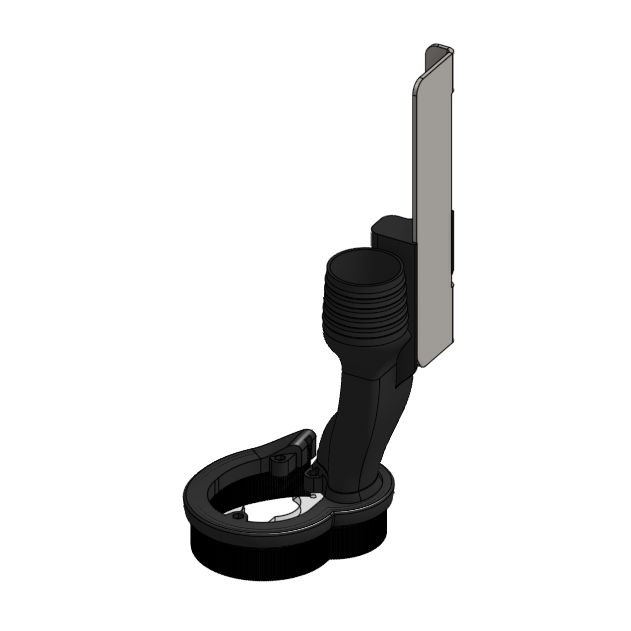
LongMill MK2 Dust Shoe

The dust shoe has been redesigned to address several complaints from the original magnetic dust shoe, which include:

Bristles being sucked up on especially powerful vacuum systems

Some customers reported having their bristles being pushed into the inlet of the vacuum especially when using more powerful vacuums. The new dust shoe uses:

  • Shorter length bristles
  • Additional consideration on the airflow within the dust shoe
  • Improved bristle mounting

Reduced X-axis travel

While the original version of the dust shoe reduced the X-axis travel by approximately 33mm, the new design should only reduce the X-travel by about 5mm*.

*Please note that some parts of the design are still in progress, and this amount may change.

Finicky front window

We had a transparent window that was prone to breaking. We changed the window to a softer material, which mostly solved this issue, but having the window also provided additional leakage of dust based on the alignment between the window and the rest of the bristles.

The new design removes this window completely and focuses on improving visibility through the top acrylic part of the body. Since the new dust shoe has a lower profile, it is easier to see the bit from above.

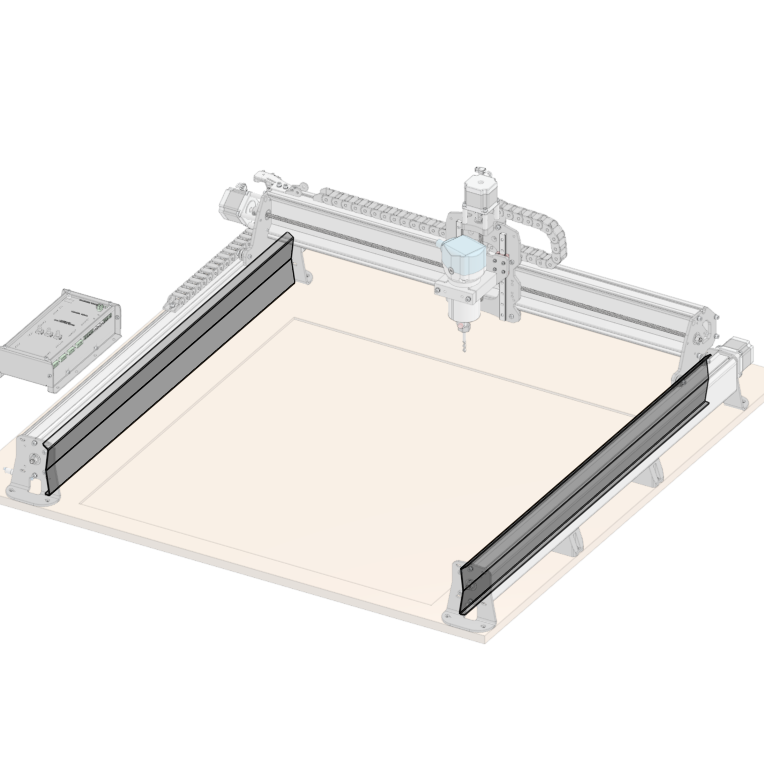
LongMill MK2 Lead Screw Dust Shield

The LongMill MK2 now comes with an additional option for a dust shield for the Y-axis lead screws. These shields help keep dust away from the lead screws and nuts, especially when cutting without a dust shoe or dust extraction system.

We recommend this product to customers if they are:

  • Cutting abrasive materials such as carbon fibre, fiberglass, and ceramics
  • Not using a dust collection system
  • Have a messy workplace and want to prevent tools, debris, materials, wires, and other items from getting caught in the wheels of the Y-axis.

Each dust shield is easily installed and removed with a set of M5 screws on the front and back feet of the machine.

Please note that the lead screws and Delrin nut system used on all LongMills are designed for use in dusty environments, and for most users, the dust shield only serves a limited benefit.

Other add-ons

The Makita RT0701 and Touch Plate will also be available for order through the product page and are identical to the ones currently sold with the LongMill MK1. Inductive sensors will also be offered as an add-on with the new machine, which will work the same as the MK1. For a full list of add-ons for sale, such as lasers, t-tracks, and software, please see our Add-On category of our store.

December 2021 Production Update

Hey everyone, here is our December 2021 production update.

If you’re waiting on a machine to ship, you can find the list by order here: https://forum.sienci.com/t/list-of-shipped-machines-f-w-2021/4133

New LongMill orders

*Very important: If you are a customer looking to order a LongMill this month, please read this part carefully.

Due to low stock and high demand, our lead times for the LongMill are now extended to 4-6 weeks. New orders will not ship before Christmas. We are now limiting stock and customers may not be able to order once we go out of stock on our machines. A pre-order page for the LongMill MK2, the new version of the LongMill is scheduled to be available at the end of December, and orders for the LongMill MK2 will ship at the start of February. The new LongMill will have adjusted pricing that will be released at a later date, but are estimated to be around $1800CAD for the 30×30 version.

If you are interested in learning more about the differences between the MK2 and the original version of the LongMill, please read our development posts from our blog here: https://sienci.com/?s=longmill+MK2. More information will come soon.

Because of our shortage of parts, new orders (starting Dec 10, 2021) will start to use some of the parts that may have cosmetic defects on gantry plates and rails which do not affect the overall performance and use of the machine. We expect most customers to not even notice the cosmetic defects. All machines will come with the same high quality customer service and technical support, as well as the standard 90 day warranty.

Also, not all parts will have a cosmetic defect, as you may, for example, have a cosmetically perfect set of rails and one gantry that has a scratch. All parts are carefully inspected before being packed and shipped.

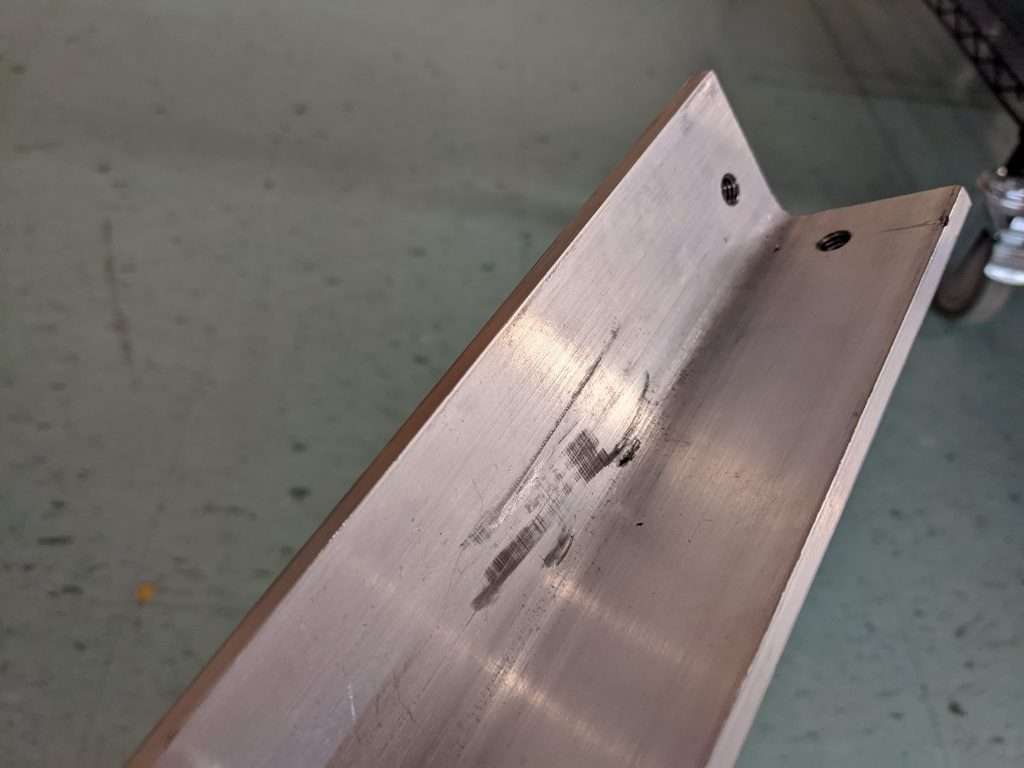
Some examples of scratches, dents, and other cosmetic dings

Every rail we ship out gets checked for:

  • Dimensional accuracy
  • Dings and dents that may impede with the travel of the v-wheels along the edge
  • Cosmetic damage

While the first two criteria are critical to making sure that the LongMill works, cosmetic damage along the sides and inside of the rail does not impact the performance and functionality of the machine. Rails that were rejected due to cosmetic damage but not from the first two criteria would be used in this version of the machine.

Every gantry plate gets checked for:

  • Paint defects, such as chipping and orange peel
  • Gouges and scratches
  • Uneven paint

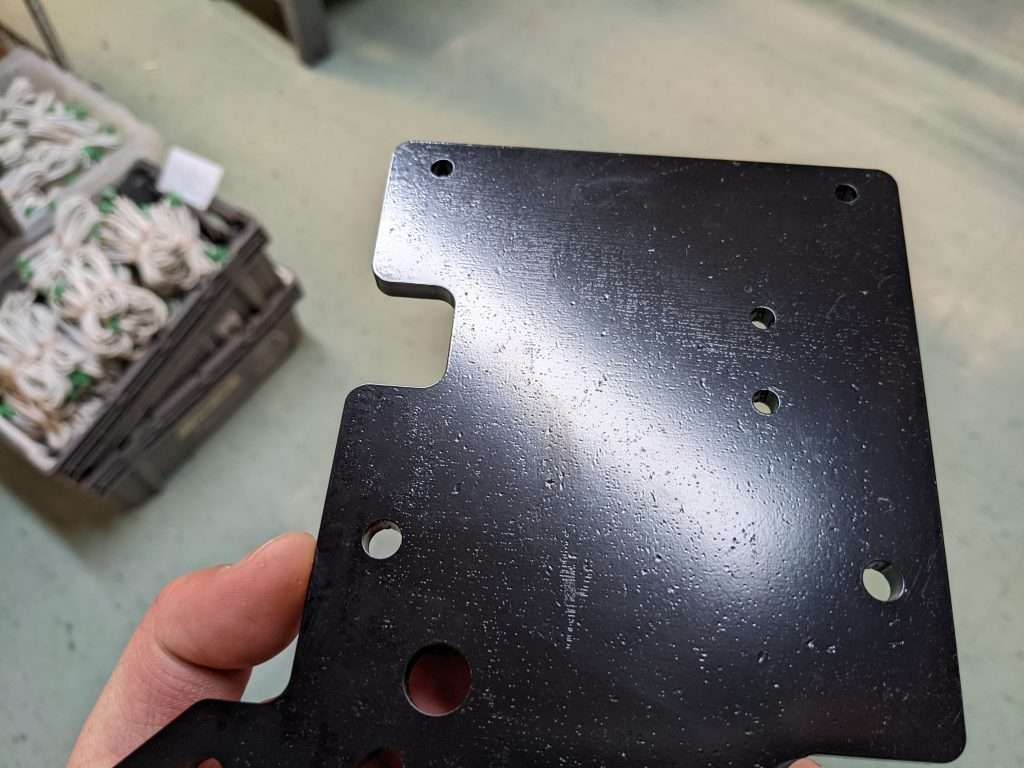
Plates, such as the one shown above show orange peeling and would be rejected in production. This may be caused by contamination on the plate surface before coating, but overall does not affect the use and performance of the machine.

Why did we make this decision?

Our goal is to use the remaining stock of rails and gantries to bridge the gap between when we’ll be able to restock on parts again in January and February. Between each batch of production, we’ve kept our functional but cosmetically imperfect parts in storage. Using up these parts will help us use excess materials and clear out space for new inventory, as well as keep our lead times lower.

This is actually not the first time we’ve done this. On some rare occasions where we run out of a part and are waiting to restock, we’ve asked customers if we can provide them with imperfect parts, and all of our customers preferred to get their machine a week or two earlier, rather than wait till the new parts arrived.

Although we have considered remaking or repainting the rest of the parts, this would extend the lead time significantly, as new parts can take upwards of 8 weeks to produce. Instead, we figured we would let the customer know that some of their LongMill parts may be cosmetically imperfect, and let them make the decision at purchase.

LongMill MK2 Production

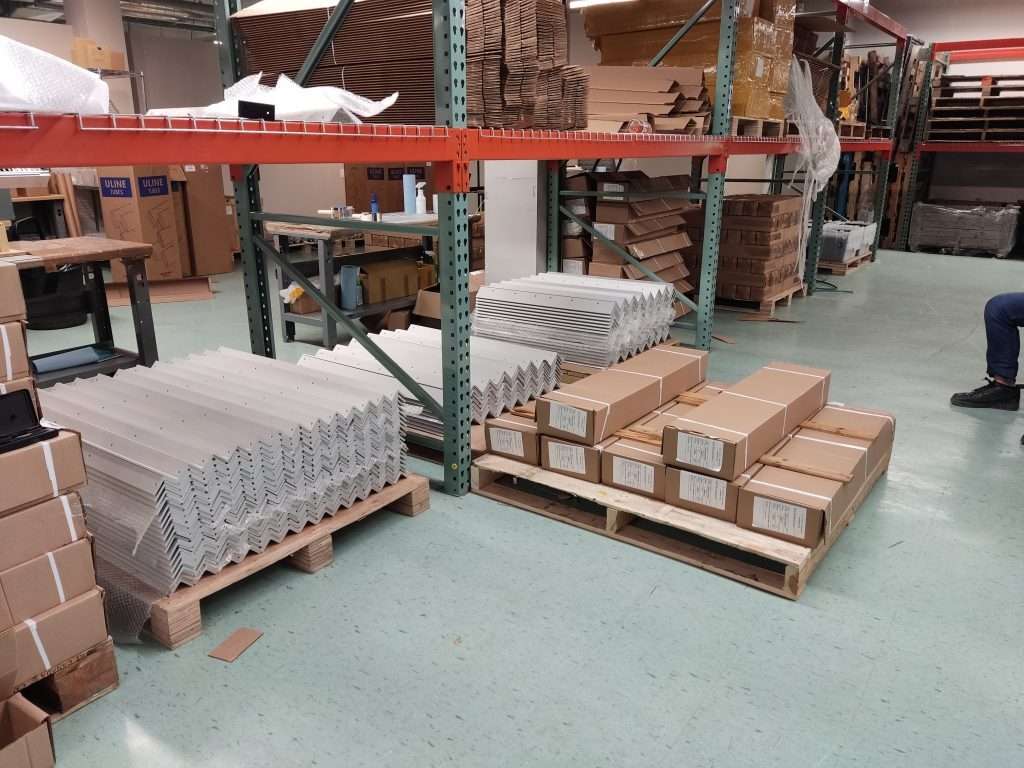
We’ve slowly started to gather parts for the production of the LongMill MK2. In our last update, we talked about the extended lead times for the MK2’s aluminum rails. It just happens that Almag was able to rush order the rails and have them dropped off a lot earlier than expected. Yay!

On top of this, we have also received full or partial shipments of:

  • Linear guides
  • Lead screws
  • Fasteners
  • Delrin nuts
  • Z motor mounts
  • Drag chains

There are still a lot of parts that are in transit and production, such as:

  • Control boards
  • Power supplies
  • Motors
  • Couplers
  • Packaging materials

We are crossing our fingers that these parts will arrive by the end of December or early January.

Holiday schedule and office closures

Please note that our offices will be closed from Dec 24th to Jan 3rd. We will be back in action and shipping again on Jan 4th.

If you have any orders that need to be shipped out before the holidays, please place your orders before Dec 23rd so that they can be shipped out before we close.

Black Friday…or lack thereof

Hey everyone, we’ve been getting a lot of calls, emails, and messages asking if we’re planning on doing any Black Friday Sales. Unfortunately for this year, there will be no Black Friday discounts. Due to extremely high and growing demand for the LongMill, as well as overall shortages and challenges in the supply chain, we believe that offering any sales or discounts at this time will further overwhelm our production and packaging.

Thank you everyone for their continued patience and support!

For additional info about our company and production, please feel free to check out our Production Updates: https://sienci.com/2021/11/17/november-production-update-pt-2/

November Production Update Pt 2.

Hey everyone. Here is an update on production in the second half of November. You can read the previous update here: https://sienci.com/2021/10/29/november-2021-production-update/

If you’re waiting on a machine to ship, you can find the list by order here: https://forum.sienci.com/t/list-of-shipped-machines-f-w-2021/4133

These past couple of weeks has been a bit stressful, as we continue to deal with delays in supply chain. I’m happy to announce that the new control boards that we’d been waiting on in the last update have finally arrived and we have started shipping machines again. We expect to get through the backlog over the next couple of weeks.

We also now have touch plates back in stock as well.

The end of Batch 5 is coming

We are quickly reaching the end of Batch 5, and expect to be out of stock on Batch 5 machines in around 3 to 4 weeks. Customers should expect lead times for machines to get much longer as we work on parts for Batch 6 to finish.

If you aren’t familiar, we build machines in batches. In this case, Batch 5 is 1000 machines.

In the meantime, there are a few things we can continue to do, such as extending Batch 5 by balancing the inventory and using all of the leftover parts and hardware to keep making kits beyond 1000 machines. This could also mean pulling inventory coming in for Batch 6 to use for Batch 5, as we wait for all of the Batch 6 parts to arrive.

Once we get closer to the end of Batch 5, customers should expect lead times to go up, possibly to 4-6 weeks.

Current supply chain and production issues

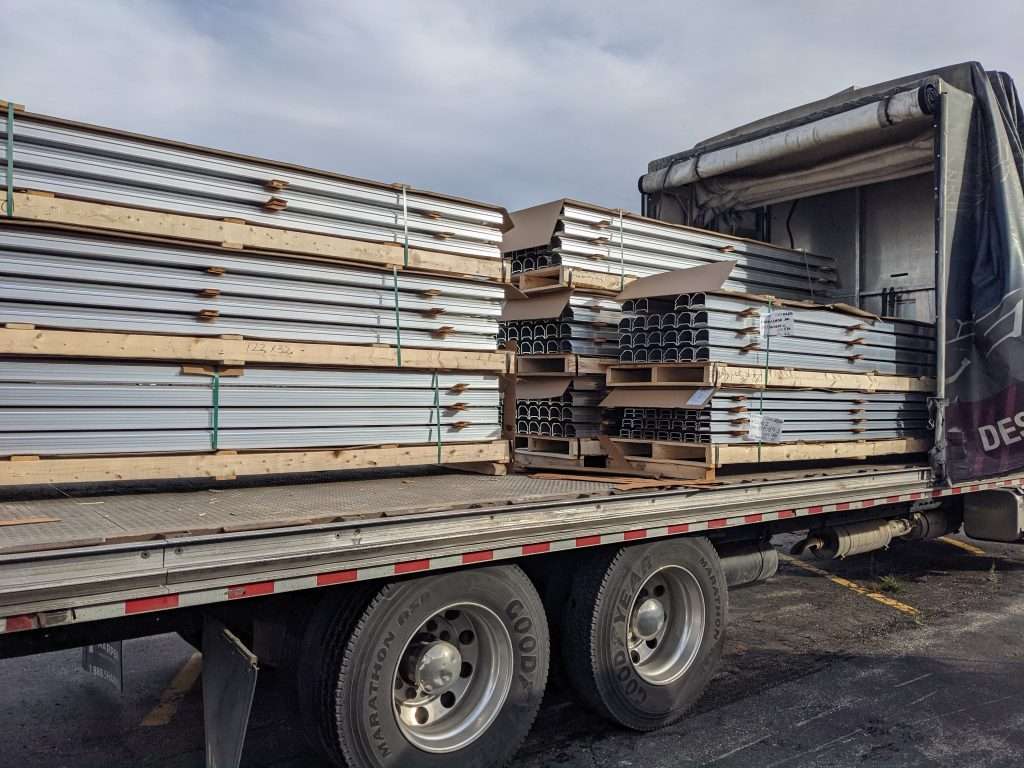
One of the major hurdles we’re currently dealing with is the long lead times with aluminum extrusions. With our current manufacturer, we’ve jumped from a 2 week lead time to 13 week lead time between September and November, meaning that our order for rails placed this month is expected to complete sometime between January and February. I’ve “rush ordered” these parts so that we try to have them in stock by the start of January, but this all comes down to scheduling at the press. I’ve also reached out to other presses in the area, but most have even longer lead times.

To account for the unstable lead times, we’ve been working on installing our own cutting and tapping set up to cut and tap our own rails. This should allow us to have more control over the lead times, as we don’t have to worry about the extra machining time that the manufacturers need to have added on top of the total production time.

Our new saw

In other news, we are likely going to see gaps in shipping based on shipping delays. For example, although we have allocated the v-wheels for the machines in Batch 5 for pending orders, the batch that we are waiting for to be able to complete the batch have been delayed in transit for about 2 weeks. Although I expect to see the wheels before we finish shipping the pending orders, any additional delays may cause a gap in shipping again as well for new customers.

Lastly, lead times for cardboard packaging have gone from a few weeks to around 10 weeks now, which means that we’ve started working early on manufacturing the packaging for Batch 6 machines.

All in all, although we are doing our best to keep production going, customers should expect longer lead times on LongMills.

Looking for LongMill MK2 30×30 Beta Testers

Hey everyone. Thanks for following along in the development of our new generation of CNC machines.

One of our first prototype machines in a 30×30 form factor

As we discussed in our previous blog posts, we’ve been working on making our own custom extrusions for a new generation of LongMills. Just to recap, here are some of the improvements that the new extrusions should bring:

  • Improved weight to rigidity, as well as improved rigidity overall
  • Lower number of parts and overall ease of assembly
  • Ability to extend the working area beyond 30×30 inches

We’re excited to share that we’ve put together our first machine with the new parts and gantries to make a fully working prototype. We’re really happy with the way it’s come together as well as the overall fit and finish of the machine. Now that we’re at this stage, we have a couple more steps towards launching the product.

Beta testing the MK2 30×30

Now that we have parts ready for the 30×30 version of the LongMill MK2, we are looking for beta testers to test the machine between November 2021 and Jan 2022. We are looking to get beta testers set up with machines as soon as possible. If you want to sign up as a beta tester (only for the 30×30 model, you can fill out the form here:


If you want to fill out the survey/form for the AltMill and extended versions of the LongMill, please visit: https://forms.gle/oQPgE9s15i74b6qDA

What does “beta testing” mean?

Beta testing involves the process of testing and using a product in a real-world environment before mass production or general release. In our case, the LongMill MK2 platform is a new product that has been active in development. While we are confident in the performance of the new machines, we feel that it is important to get it into the hands of real users to obtain feedback and information about how well the machine performs, how it works, and potential issues that may happen in manufacturing and production of the final product. We also want to identify users and use cases for the product to help us target our machines to the right people based on what you do during the beta testing period.

As a beta tester, your responsibilities are:

  • Put your beta machine through the paces
  • Report back to us with feedback on a regular basis
  • Let us observe and test your machine
  • Share your learnings and testing with the community

As the company providing the beta machine, our responsibilities are:

  • Provide you with one-on-one technical support for your machine
  • Help you set up your machine (either in person or virtually)
  • Provide you with updated parts to ensure your machine aligns closely with the final production version

There are several differences that you may see between the beta testing machines and production machines. 

  • Some parts will be uncoated, such as the gantry plates and aluminum parts
  • Machines will either be partially assembled or come in non-production ready packaging
  • Some parts may be off the shelf components not from our regular manufacturers

Once beta testing is complete and we begin production for completed units, we will provide you with updated parts to bring you to spec with production machines.

Pricing

We charge for our beta testing machines. We believe that is the best way in vetting between folks that are purely looking for a discounted or free machine and folks who truly need or want a machine. It is our top priority to work with beta testers that will find true value from owning a CNC machine and using it long-term. We ask beta testers to ask themselves “if this was a product I could buy now, would it bring enough value to me to warrant the amount I would pay?”.

If you’d like to hear some interviews from our former beta testers, please check out our channel here: 

The LongMill MK2 30×30 serves as the successor to the original LongMill that we started shipping in late 2019. This version of the machine offers simpler, but more rigid construction, and is a great entry into the world of hobby CNCing. 

Pricing:

The pricing for the beta LongMill MK2 30×30 will be $1500CAD, plus applicable taxes. 

The production price will be $1800CAD at the time of release.

What you get:

  • A full, LongMill MK2 machine with a working area of 30×30 inches
  • Our one-on-one technical support and set up assistance
  • Parts to upgrade your machine to production level spec at release

Talking about the now (and the later)…

I’d like to talk about customer perception and management of the release of a new product. The elephant in the (my) room, is the fact that while the LongMill in its current state is awesome, the new one is going to be even more awesome. If you are an older customer, I’m hoping that you’ve been enjoying using your machine and feel that you’ve gotten the value out of your machine. For new customers, I suspect that some folks are either possibly feeling that 1) maybe they should have waited to get the new version 2) worried about losing support on the current version.

To address the first concern, the reality is that as time goes on, our machines are going to get better. Even between the first generation of machines, we’ve made a lot of changes to make the machines better. The machines that we ship today have many changes and improvements, and we pride ourselves to build the best machines at reasonable prices. The point is, if you use this logic forever, you’ll also be waiting forever to get a machine. The real question should be, is this the best time for me to get a CNC machine?

We also have to talk about the change in price. The original LongMill 30×30’s base price is $1500CAD. The new one will be $1800CAD. We are increasing the price of the machine for a couple of reasons.

First of all, we need to address increasing costs, inflation, and instability in prices over the last two years. We have not increased the price of the LongMill since 2019. We also have not increased the price on most of our parts, consumables, and other items we sell. Because of our growth, we’ve been able to keep prices for our customers the same while being able to negotiate lower prices with our suppliers due to our economies of scale, we no longer see better cost breakdowns at our scale to significantly make up for lost margin of prices going up. We also continue to increase the pay and benefits of our staff. We believe in providing an excellent workplace environment and reasonable pay, but we also need to account for these costs as well. The $300 difference addresses the increased costs of the materials that go into production and ensure that we have the profits to pay our employees well.

Second, the price difference accounts for the performance difference between the two machines. The MK2 is a more rigid machine, and it costs more to make. At this point, we offer a bit of a choice between the two machines with their respective price points.

And lastly, when customers choose to purchase from us, Sienci Labs, they are also investing in our company and the development of new technologies and products. For example, a bit portion of our profits go towards building and supporting gSender, which now is open for use for free for all hobby CNC users. We also have a bunch of other cool stuff coming down the pipeline that the money goes towards to as well. We want to make sure our pricing is in line where these developments are sustainable in the long term and we can provide our team with the funding needed.

To address the second concern, we’ve made a lot of the two machines inter-compatible and backwards compatible. I go into a lot more detail in the last blog post: https://sienci.com/2021/10/15/altmill-and-longmill-survey-results-and-development-progress/, as I cover more pros and cons of this change. Wear components, such as v-wheels, ACME nuts are the same across both machines, and both machines also share the same electronics, power supplies, bearings, linear guides, motors, locking nuts, couplers, and more. We will have parts and services available for both generations of machines, as well as a stockpile of parts on hand. We can also make 3D printed components as needed, so we don’t expect any issues there either. Since the underlying software and electronics remain the same as well, all of our software will continue to be developed with both machines in mind.

To also note, for some people who might be wondering, making a dedicated kit to swap out rails and gantries to change a current LongMill to a MK2 is not our priority. We don’t think the extra cost doesn’t justify the real-life increase in performance, we don’t want to create a lot of extra waste, and if a machine is already assembled, most of the benefits that come with the faster/easier assembly is never realized (since you have to take apart and reassemble a machine). We will still offer individual parts on our store for customers (as we already do), so folks can make up their own mind. I’d also like to note that there WILL be a kit to use the original LongMill and add a longer X-axis (48×30 in the working area).

So in conclusion, if the LongMill at its current design and price point works for you, and you’re thinking of ordering a machine, this is a great time to do so. If you want a bit more rigidity and have a larger budget, the MK2 may be the better option. But regardless, you’ll still be getting a fantastic machine, and I would recommend making your decision based on your personal timing of when you want to get into CNCing.

Availability

The LongMill MK2 30×30 is expected to launch in mid to late January 2022. Pricing for the 30×30 model will be $1800CAD.

Please stay tuned for when orders will open up, and pricing for other size models.

November 2021 Production Update

Hi everyone. Here is our November 2021 Production Update. For the previous update, please check: https://sienci.com/2021/09/23/september-october-production-updates/

Sorting and checking rails

Production continues to move along. In the previous update, we talked about a couple of parts that we were waiting to restock, such as the control boards, rails, bearings, etc. At the current time, we are just waiting on PCB boards to arrive to continue shipping. PCB boards are expected to arrive on Nov 5, 2021. At the current time, we are waiting on PCB boards to arrive, and will be ready to ship when they are here. The new boards have arrived Nov 16, 2021, and we have started shipping orders out again. For more info about the status of your order, please check our forum: https://forum.sienci.com/t/list-of-shipped-machines-f-w-2021/4133.

We’ve continued to ship machines and other parts out with current stock on hand, but at the current moment, we are advising customers that LongMill orders will have a 2-3 week lead time to account for the arrival of control boards next week.

Expected lead times

Our current bottleneck is with our PCB boards. Although production is complete, we are waiting on the boards themselves to arrive. Based on tracking data, we expect them to arrive on Nov 5. If you are planning to order a LongMill, please check the estimated shipping date on the LongMill order page for the most accurate information.

Once the boards arrive, we expect to be back on our typical lead times of around 1 week until we run out of stock of Batch 5. At the current rate of sales, we expect that Batch 5 will be complete at the end of December. Lead times in Batch 6 are expected to depend on the timely arrival of new parts and components.

Batch 6 production and lead times

With the current issues with supply chain and logistics impacting the global market, we’ve continued to work hard to acquire the parts and materials to continue building machines. Although most of the parts that will be going into Batch 6 have been ordered, there still are a couple of parts that we need to order for the new batch of machines. This includes:

  • Drivers
  • Control boards
  • Power supplies
  • Arduinos
  • Rails

If you haven’t noticed, the first four products rely heavily on ICs, which have been impacted by the chip shortage. This has meant we have had to work with our suppliers to tackle long lead times and large increases in chip costs. This has either meant working around the long lead times, such as by shipping part of the batch by air and others by ocean freight (for our overseas suppliers), or finding new suppliers that are able to meet our manufacturing timing and requirements.

We’ve also seen big jumps in expected shipping times for both ocean shipments and express shipments. We often rely on ocean freight for shipping materials between China and Canada. With shipping times and prices increasing, we’ve had to order parts earlier than usual so that they would arrive on time. While before COVID, shipping times generally averaged between 4-6 weeks, we are now planning for shipping to take up to 12 weeks. Shipping prices have also doubled in many cases.

When we order parts from new suppliers, we also obtain samples for internal testing and QA checks. We’ve also experienced a large jump in shipping times for air express shipments, which has slowed down the ordering process. While express shipments would generally arrive in a week or so, we’ve seen packages stuck in customs or waiting for the next airplane for 3 or more weeks. This has made vetting suppliers difficult as well, as it could take over a month for us to check the quality of each new part. The most example of this would be our inductive sensors, which were heavily delayed in shipping, causing us to ship a few weeks later than we wanted.

Given the supply chain constraints, we, unfortunately, have not been able to make the changes and updates to our electronics as we’d like. Earlier last year, we had begun the development of a new control board and driver system. However, with the chip shortage, we do not expect we’ll be able to obtain the chips to make the new system until next year.

So what does this mean for Batch 6? Well, it means that customers should expect lead times to vary somewhat at the start of the batch. Without all the parts ordered and confirmed for Batch 6, we run the risk that we won’t have everything ready for shipping in January. That being said, with the measures we’re taking to order and ship things as quickly as possible, we don’t expect there to be major changes or delays in production as long as we continue to be diligent in our work.

AltMill and LongMill Survey Results and Development Progress

Hi everyone. Thank you to everyone who took the time to fill out our survey. We received an overwhelming amount of responses which has helped us get a better understanding of what our users are looking for in a new machine. Here’s a bit of a breakdown and a report of what we learned from your responses.

General learnings

As expected, almost all of our respondents shared that they used their CNC machines for woodworking. Also as expected, almost all respondents expressed interest in increasing the working area of their machine.

I was very happy to see that most respondents use their machine actively, with the approximate per week usage for most users being 15-30 hours per week. About a third of our respondents who use a LongMill reported that they use their machine 20 or more hours per week, which suggests that many of our users use their machines in small-scale production.

As we get into larger machines, power becomes more of a concern. We initially were worried that people would not have access to 220V/240V power in their shops (at least in North America), but it appears around half of the respondents who chose to answer this question have access to 220V outlets. This indicates that we should consider supporting both 110V and 220V spindles in future machine designs.

Interest between the AltMill and the Extended LongMill

We see about a 60/40 split in overall interest between the two machines. For LongMill users who are interested in upgrading from a LongMill to an AltMill shared these common sentiments:

  • Want to have a more rigid machine, generally to be able to use spindles and cut faster
  • Want to have integrated limit switches or homing switches
  • Want to be able to handle larger projects and half sheet
  • Want more speed
  • Have some complaints about parts such as the v-wheels and delrin nuts

For LongMill users that are interested in extending the size of their machine shared these sentiments:

  • Heavily value the community support and affordablilty of the LongMill in its current state
  • Would like general improvements to rigidity and design of the machine
  • Want a way to tram
  • Improvements to the v-wheel and eccentric nut system

Many people indicated an interest in a spindle option for both the LongMill and AltMill. The AltMill will be designed and compatible with spindles. While we don’t currently recommend using a spindle with the current design of the LongMill’s Z-axis because of weight and size, one option we are exploring is to build the XZ axis assembly for the AltMill to be compatible with the LongMill. This should let us be able to share development efforts for the assembly across both machines. Allowing additional cross-compatibility between motors and electronics between LongMill and AltMill should also make it possible to upgrade more aspects of the LongMill as well.
Development progress (LongMill)

We’re excited to share that we’ve gotten our first batch of custom aluminum extrusions in for the new iteration of the LongMill. These rails were made for our prototyping and beta testing before starting a larger production batch.
We are planning on using custom extrusions for the next generation of LongMills. We’ll refer to them as LongMill MK2s (at least for now). The goal with this generation is to provide the same straightforward, rigid, and affordable machine at the current sizes that we offer, but allow us to provide extended versions of the machine.

I think it’s important to talk a bit about custom extrusions, as it is a big departure from our original angle aluminum design.

When we first started Sienci Labs, we found that using angle aluminum turned on its side provided a sturdy, simple, and affordable way to create a linear motion system. Given that aluminum angle extrusion was readily available off the shelf, we were able to create both small and large batches of rails quickly and easily, without worrying about custom tooling and MOQs. I would attribute this factor as an important reason for getting us to this stage in our company, as we were able to continue to scale our production as we continued to build more CNC machines.

Creating custom aluminum extrusion was always on our mind, but until recently, it was not feasible for us due to cost, and the volume we would need to make didn’t make sense at our scale. At today’s scale, we’ve learned some important things that justify making our own extrusions.

The first area to talk about would be the accuracy of rails over high volume. Since last year, we encountered a new problem. While all of the angle aluminum we had received in previous batches were made to high tolerances, we had received a new batch of material that varied in the length of each arm and angle, causing less than an optimal fit of v-wheels. This gave us an opportunity to look deeper into tolerances in extrusion manufacturing as well as performing additional quality checks to ensure each rail was made to a high accuracy. We also learned that it would be a reality that at high volumes, it would be important to ensure we tackle issues at the production side with our manufacturers, since we couldn’t trust them to make every rail perfectly unless we provided the correct specifications for the rails.

This lead us to make our own “custom” angle aluminum. Basically, we arranged production of the angle aluminum using a new die made specifically for us at a higher tolerance than the industry standard, as well as extruding the material at precision spec. With these changes, we were able to reduce the number of out-of-spec rails to near zero. This also set up a better understanding of the extrusion process and the process and costs involved in it. It also gave us a chance to work with the extrusion manufacturer to work out design kinks and set us up for future development.

Today, we use tens of thousands of pounds of aluminum a year to make our rails, way beyond practical MOQs for producing custom extrusion. We are able to spread the cost of the dies over the thousands of rails we produce to make it an affordable option as well. So financially and scale-wise, custom extrusion is a feasible option. So let’s talk about why custom extrusion makes sense, and some cons/downsides as well.

Improved performance

Designing our own custom extrusions lets us create a design that is more optimal for rigidity than angle aluminum. Chris conducted dozens of simulations and tests to find the most optimal designs for the new rails. Based on the results, we can expect 2-3 times less deflection in the rail than the original design. I would note that these are simulations, and real-life results are likely to show less of a difference since the numbers do not reflect deflection from v-wheels, linear guides, and other parts in the machine.

This is especially important as we continue the development of larger versions of the LongMill since longer rails inherently have more deflection.

Ease of assembly

The new extrusions also include additional features that will make it easier to assemble and require fewer parts. For example, by including tapped holes on each face of the extrusions, users will be able to mount the rail to the gantry plate without any brackets. Each rail also has a t-slot, so all drag chain components can be mounted without additional tapped holes. Overall this will reduce the number of fasteners needed, the number of unique fasteners, as well as assembly time and complexity.

Improved scalability

Although time will have to tell, we expect that the new rails will be easier to produce at a larger scale. Since we already need to custom manufacture our own angle aluminum, lead times for both the angle aluminum and custom extrusion are the same. Since the custom extrusion requires less machining, we expect it to be slightly easier and less expensive to process the rail after it has been extruded. Also, since the rail requires less parts and a lower number of unique parts to put together the overall machine, it will save time and effort in sourcing and purchasing as well.

We are also working on cutting and tapping rails in-house, allowing us to have more flexibility in the sizes and variations in the machines we produce as well.

Less production flexibility and a step away from replicability

Since angle aluminum is a fairly universal product that can be purchased off the shelf, a determined maker should be able to replicate the rail design of the LongMill and make their own custom machine from scratch. It would be much more difficult to replicate the new custom extrusion, as the costs to produce a small number of rails are incredibly high. This, I feel, is a step away from the openness of the platform. We will continue to fully open-source the designs as we have always done, but part of the open-source movement is considering the replicability of the product. This was an important consideration when we started this development, and these are some considerations and why we made this step:

  • The number of people who make their machine from scratch is incredibly low. While there are people who use the LongMill design to make their own machine, making the designs available for this purpose serves a very small population.
  • The net benefit of having a simpler, better machine that is more easily scalable provides more benefit in our goal to make CNC accessible to beginners than to have a machine that can be made from scratch.
  • Most people who make modifications to their machines generally do it after they purchase and assemble a manufactured kit. Continuing to make the design public will continue to support people who wish to simply modify a kit
  • Building a machine from scratch generally costs more and will not perform better than a stock LongMill. We have extensively optimized the design and put an insane amount of thought and consideration to the quality of each part. Parts such as the couplers, Delrin nuts, and even the 3D printing filament are all custom made specifically for us at a higher tolerance than off the shefl components. Since we work within high volumes, we are also able to take advantange of economies of scale that do not come with buying parts in small numbers. Because of this, I believe that folks who want to build a machine from scratch would only benefit if they plan on making extensive changes to fit a specific need, or are doing it for the fun of making the machine. There are of course other designs and options that people can build besides the LongMill that lend itself in being made from scratch.
Backward compatibility

While the rails have been designed to be as backward compatible as possible, and many of the old LongMill parts can be used on the new rails, this brings up another important debate, which is “is it better to take apart and modify an old LongMill to put new parts on it, or is it better to buy a new one?” This is what I think.

First of all, if you already have a LongMill and are happy with the current size of it, I believe that keeping it the way it is and continuing to use it is the best option. While the newer versions of the LongMill will perform better, not only does the current version work well already, the extra cost to switch over parts isn’t worth the extra performance you may get. Instead, investing in other things, such as better tooling, software, and materials for projects may give a better return on investment. It should also be noted that the price of the MK2 LongMill will be higher than the current LongMill, so that we can account for changes in material prices, cost to build the machines themselves, and inflation.

If you are wanting to upgrade the machine to a larger size, then the debate gets a little more tricky. If you take apart your old LongMill to swap in new rails and lead screws, you’ll be left with a lot of leftover parts. Instead, it may make more sense to sell the LongMill and buy a whole new machine instead. So the formula would go:

(Cost to buy a larger LongMill – Price you sell your old LongMill) v.s. Price of the upgrade

I personally like the idea that instead of having this be an opportunity for a new user to scoop up a used LongMill at a discount so that they can get into the CNC hobby and prevent having a bunch of unused parts lying around. The net number of machines is one instead of two.

Of course, we will offer both an upgrade kit and full kit options to customers. These parts are interchangeable between all generations of the LongMill:

  • Motors and electronics
  • Lead screws, couplers, and nuts
  • V-wheels, fasteners, and eccentric nuts
  • XZ gantry assembly
  • Drag chains

Development progress (AltMill)

We’ve completed the baseline CAD design for the AltMill and are currently in the process of having our first prototype machined. We expect the parts to arrive in mid-November. This will be our first fully functional prototype which will be used to test performance and make design changes.

Next steps

We’ll be talking about next steps for sales and beta testing of these products. If you wish to sign up for beta testing, please fill out our survey: https://forms.gle/XZgWCi1TagmYytZ87

LongMill/Extended version of the LongMill

We are waiting on a couple more parts to arrive to start building working versions of the LongMill MK2, at which point we’ll be contacting and working with beta testers.

Parts that we are still working on making include:

  • Steel Gantries
  • Feet and Z axis mount
  • Thicker lead screws (for larger versions of the LongMill)

We expect the first two parts to be ready in the next 2-3 weeks, with the thicker lead screws arriving in about a month.

AltMill

The prototype parts are currently in production. We will be building one single prototype and putting it through the paces. Once we’re happy with the performance of the machine, we’ll be opening up pre-orders for beta testers. We expect this to happen around the end of the year or start of 2022.

Inductive Sensor Kit now available on our store!

Hey everyone, we’re excited to announce that the Inductive Sensor Kit for the LongMill is now available!

As we talked about in our last blog post about the inductive limit switches, we had been waiting on the sensors. While the sensors were shipped out at the end of August/start of September, due to some shipping delays, the sensors took much longer than we expected. They have finally arrived, and we are able to start making and shipping out the kits.

Inductive sensors and gSender

Just a quick thank you to Garrett Fromme (https://www.youtube.com/c/IDCWoodcraft) and Dana Andrews (https://www.youtube.com/c/BuckysCustoms) who have been our beta testers for the past month and a half. We sent them our first prototypes of the inductive sensor.

During the testing of the sensor system, we found a couple of interesting bugs in GRBL and gSender. First involves the coordinate system. It turns out that GRBL counts the bottom left corner in the negative space. We’ve updated the latest version of the firmware for the LongMill to change this to make it in the positive space, making it more intuitive to use the sensors. You can now update to the latest version of the firmware using the latest version of gSender. Instructions can be found in our resources.

Second is the way that the gcode sender handles moving away from a hard limit. If you were to trigger a hard limit on the machine, the machine would not let you travel in that direction any further. However, since the limit will be triggered continuously and the machine cannot move away from the limit switch, gSender has been updated to allow users to move away from a triggered switch. It is important to note that other gcode senders may not have this functionality built-in, and the sender may need to be restarted or the machine moved manually to stop the trigger.

Ordering your sensors

You can now order the kits directly on our store. We are currently in the process of assembling and packing sensors so that we can ship them to folks as quickly as we can.

What coming next?

While the inductive sensor kit is a bandaid solution to add the functionality to older versions of the LongMill, we are planning on updating the LongMill around the end of this year to provide hard mounting points for inductive sensors. This means that brackets will not be needed to install the sensors.

We will also be adding more functionality and tools to utilize the sensors further through gSender updates.