Hey everyone, welcome back to our June 2026 production update!
More Open Positions at Sienci Labs
We have a couple official positions now posted on Indeed as we continue to grow our team. With continual expansion plus the development and release of new products, we’re constantly looking for new people to join our team.
We also have a few positions likely to come online in the coming months as well, including people to join our engineering team for hardware and electronics, additional software developers to focus on gSender development, and an in-house CNC instructor.
If you want to reach out to us because you feel like you could be a good fit with our company, please feel free to submit through our general application form.
Changes to Website Coming Soon
Ever since our beginning, our development on our website has been shared between a few different people in the company, but we never had a dedicated web developer on the team. But now, with the recent addition to our team to work on our website, you can expect to see some updates and changes coming down the pipeline. Our main focus right now is improving the user experience on the customer service side through our Contact Us page, plus the Resources to make it easier to find information faster.
LongMill MK3
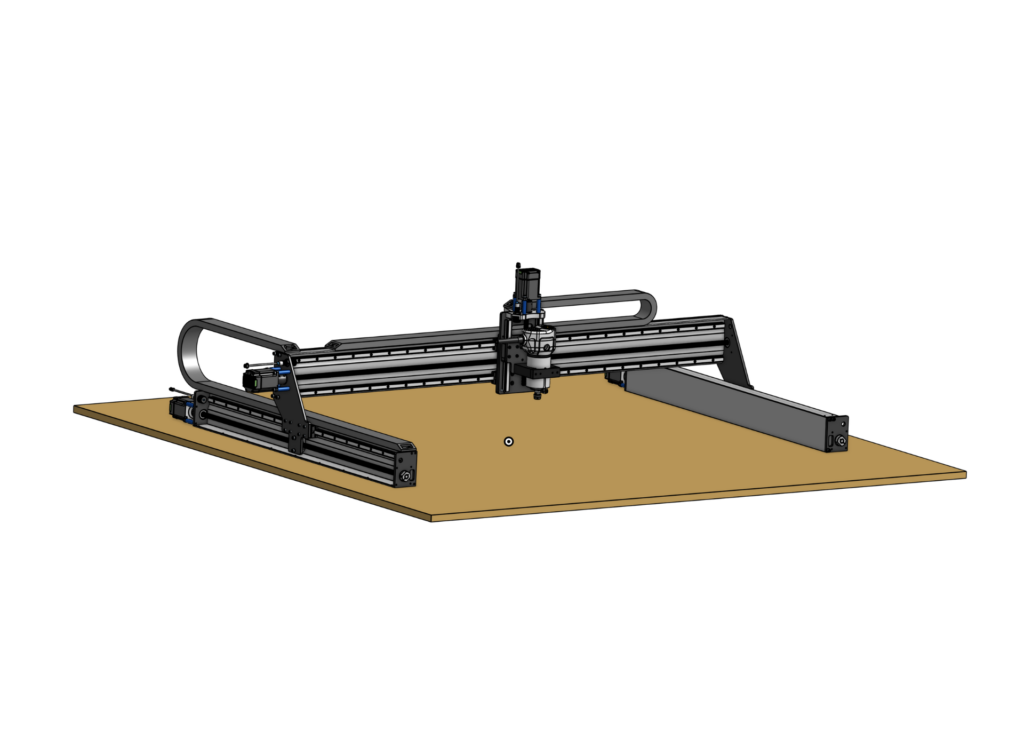
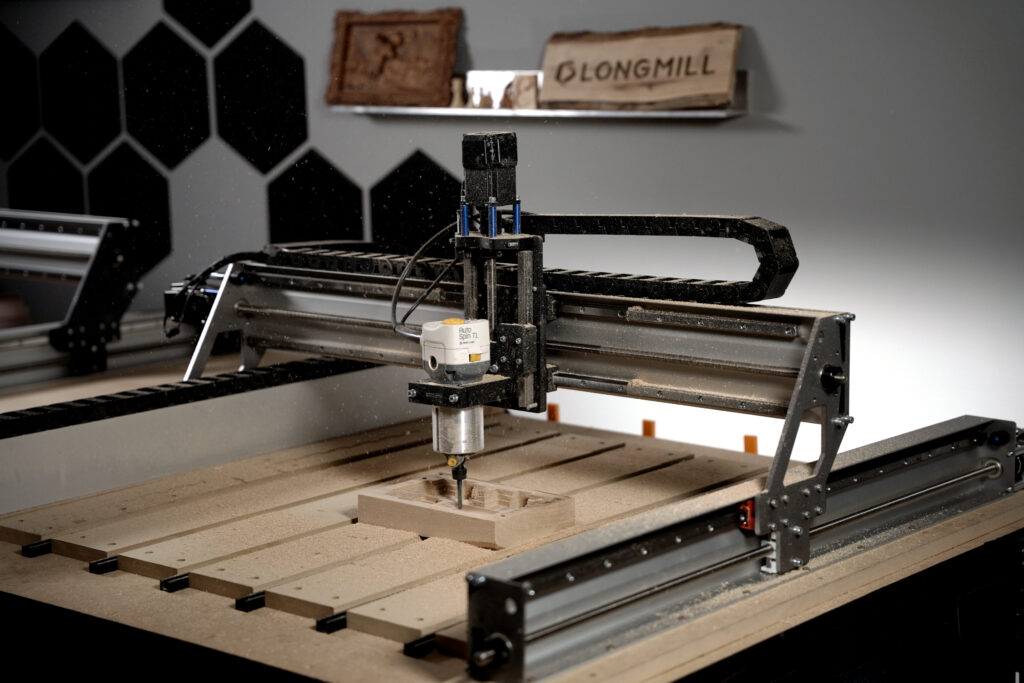
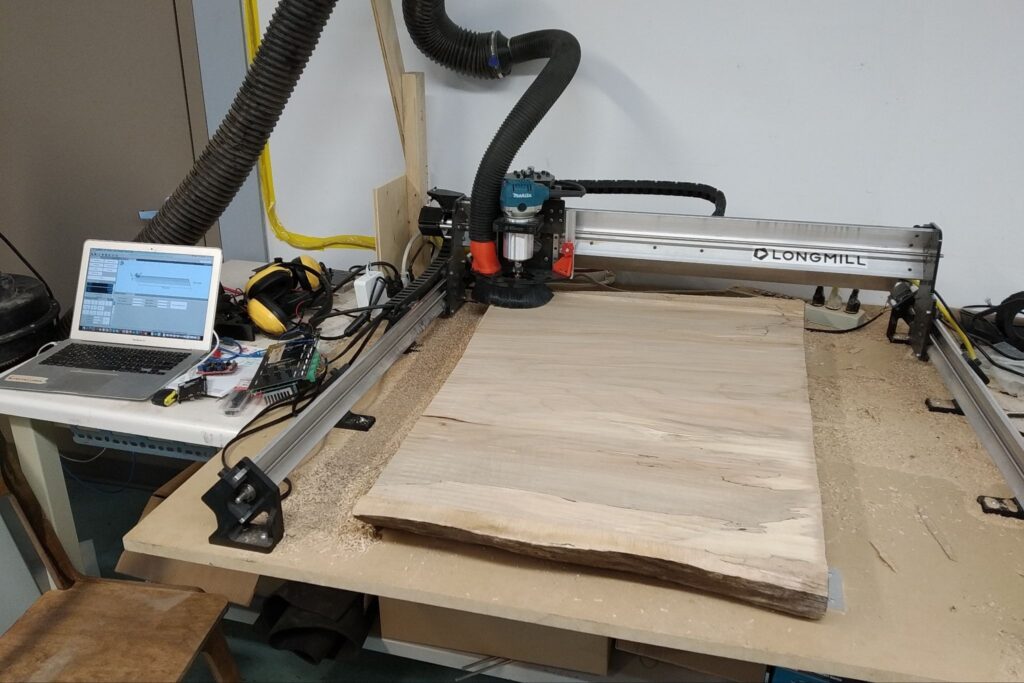
The LongMill MK3 has now launched! If you want to learn more about it, read our article.
In other news, we’ve been continuing to work on a few things this month, including:
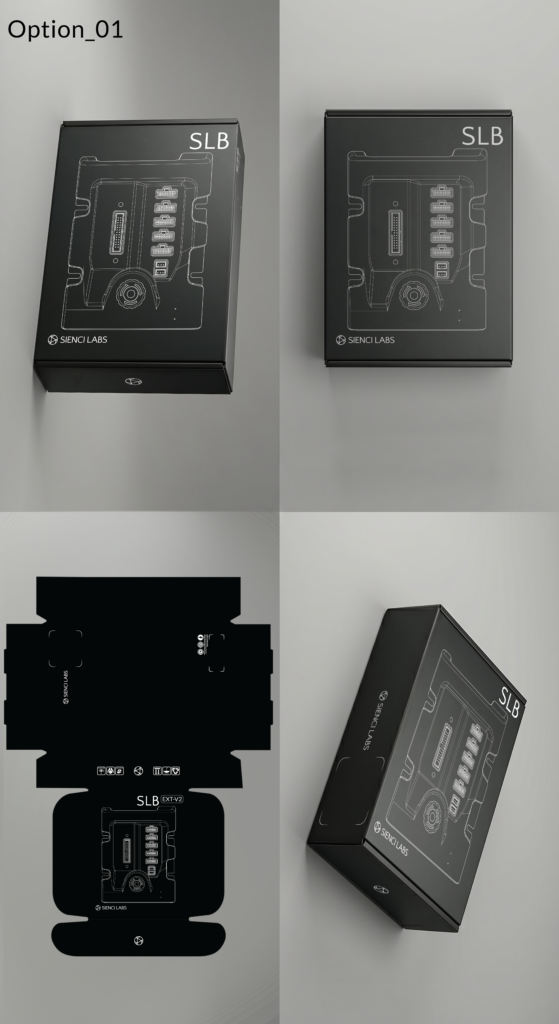
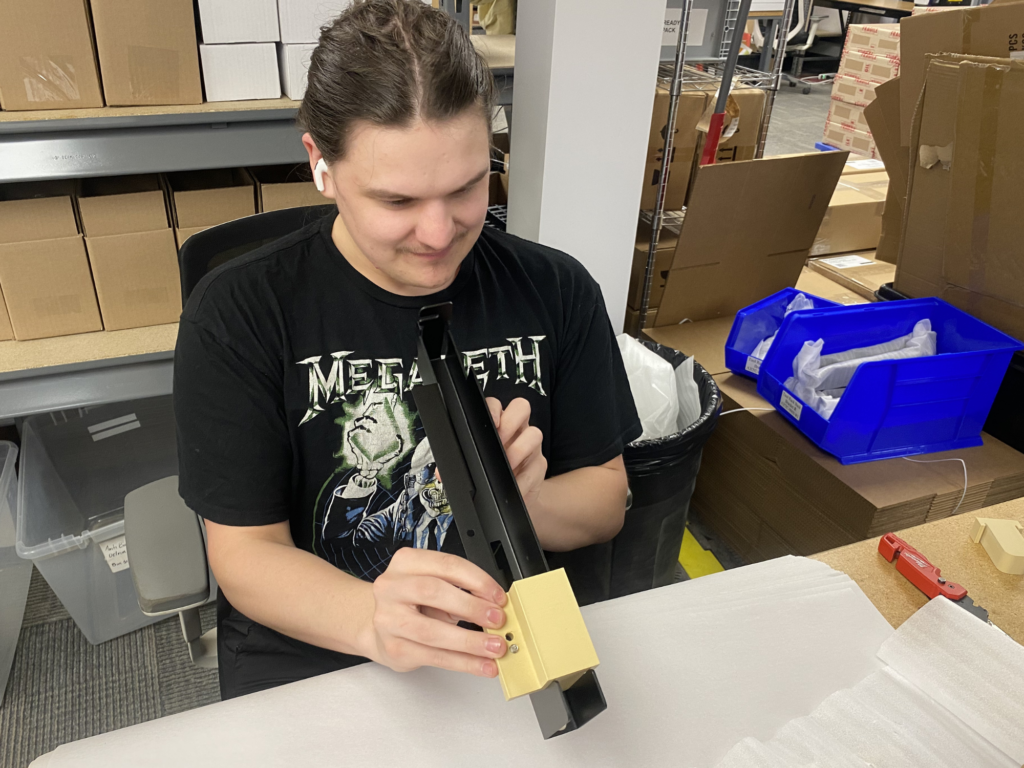
- Continual design and testing of packaging
- Development of the SLB-LITE
- Machine testing
- Dust shoe design and testing
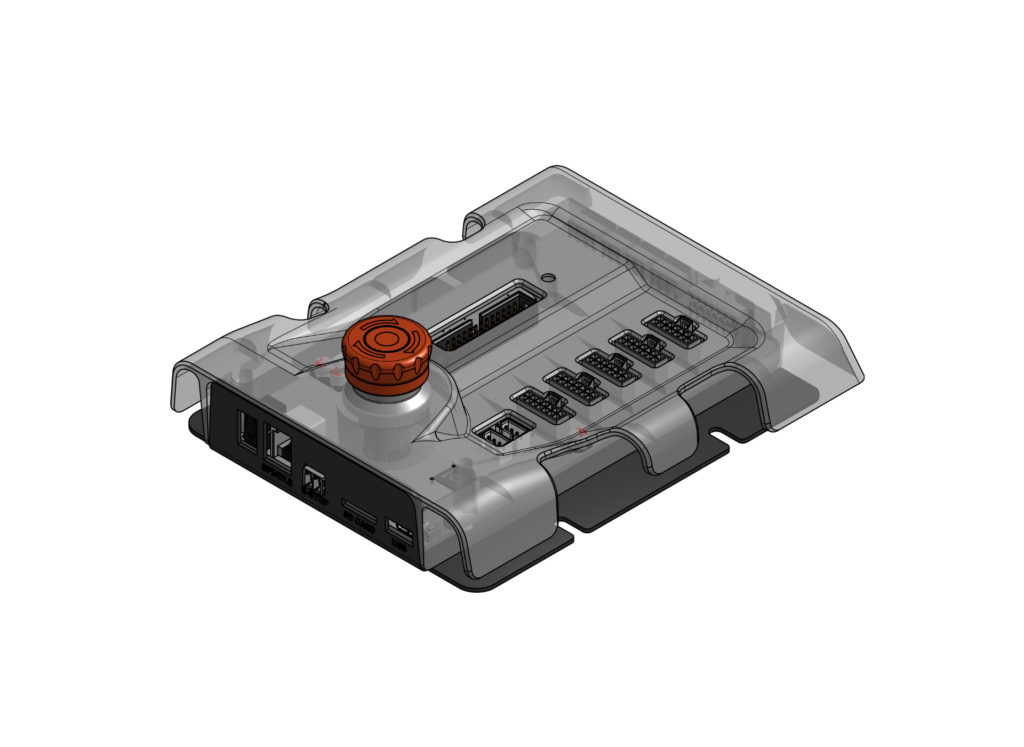
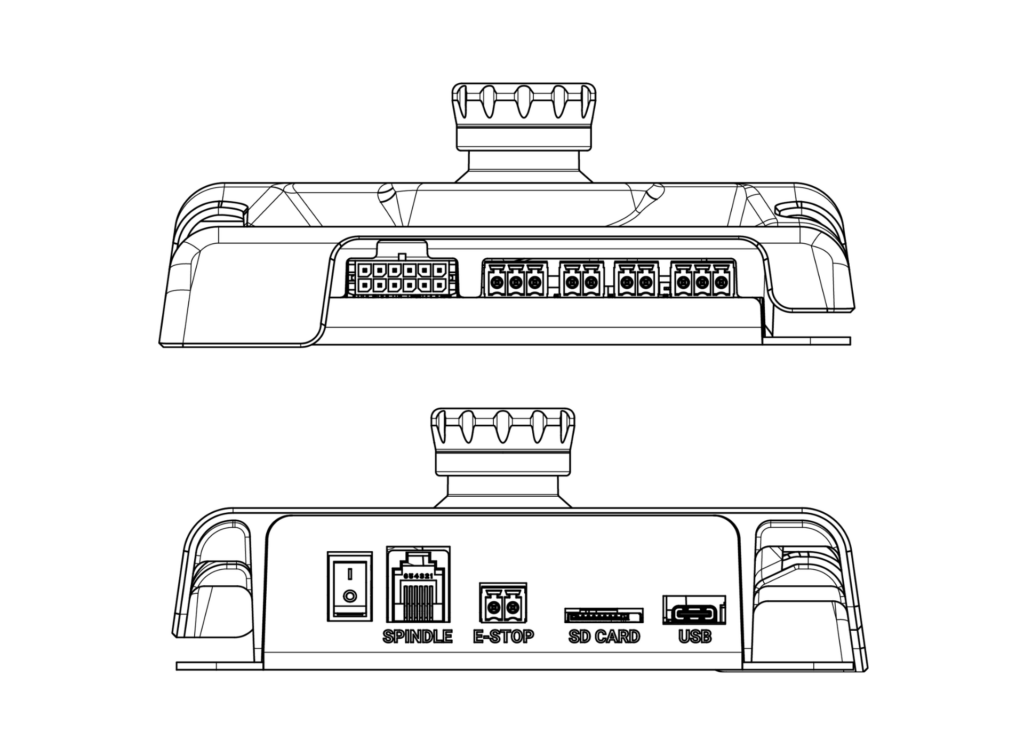
SLB-LITE and SLB-EXT V2
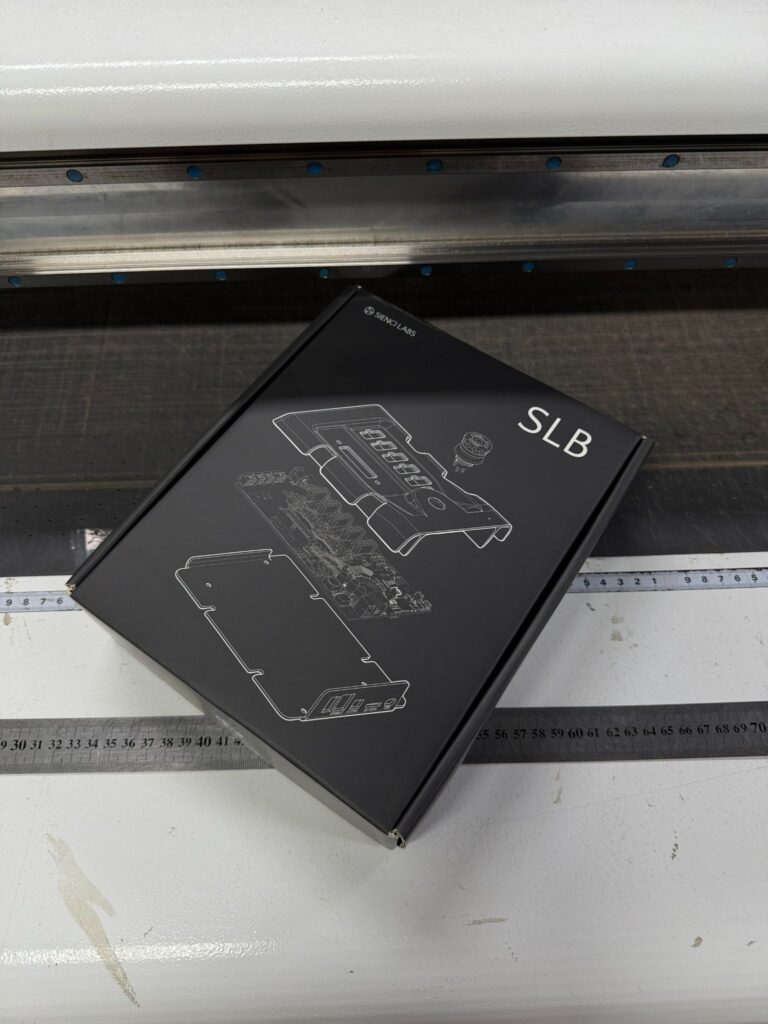
A lot of work done on the new generation of SLBs, including:
- New samples of the packaging
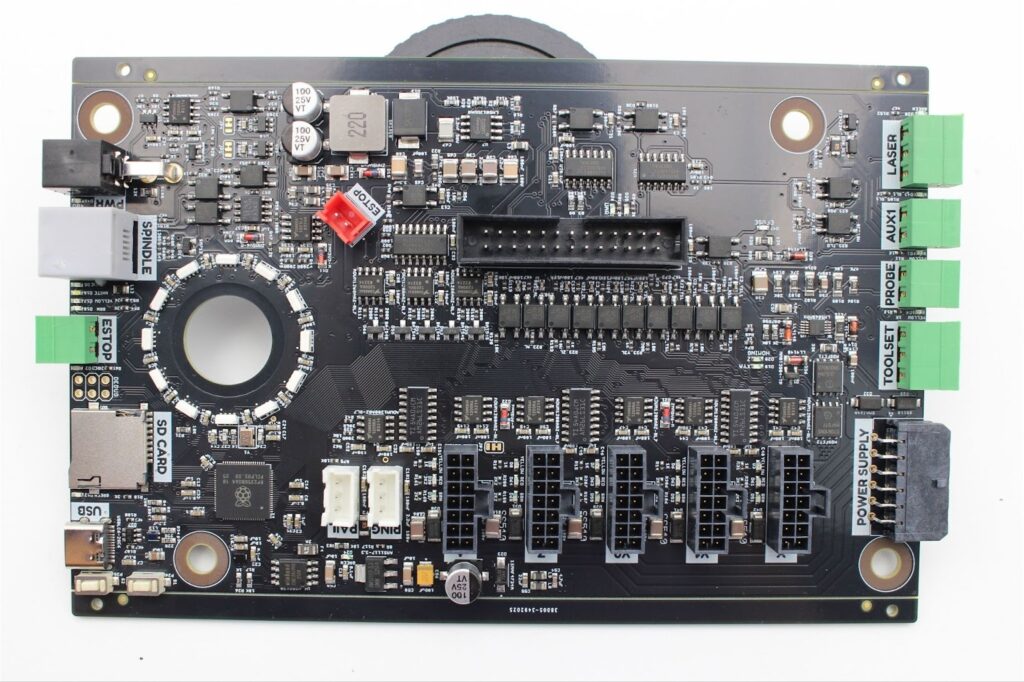
- Testing and development of key features, such as the RGB LED support, Ethernet communication and board expansion design
- Reliability testing with early prototypes
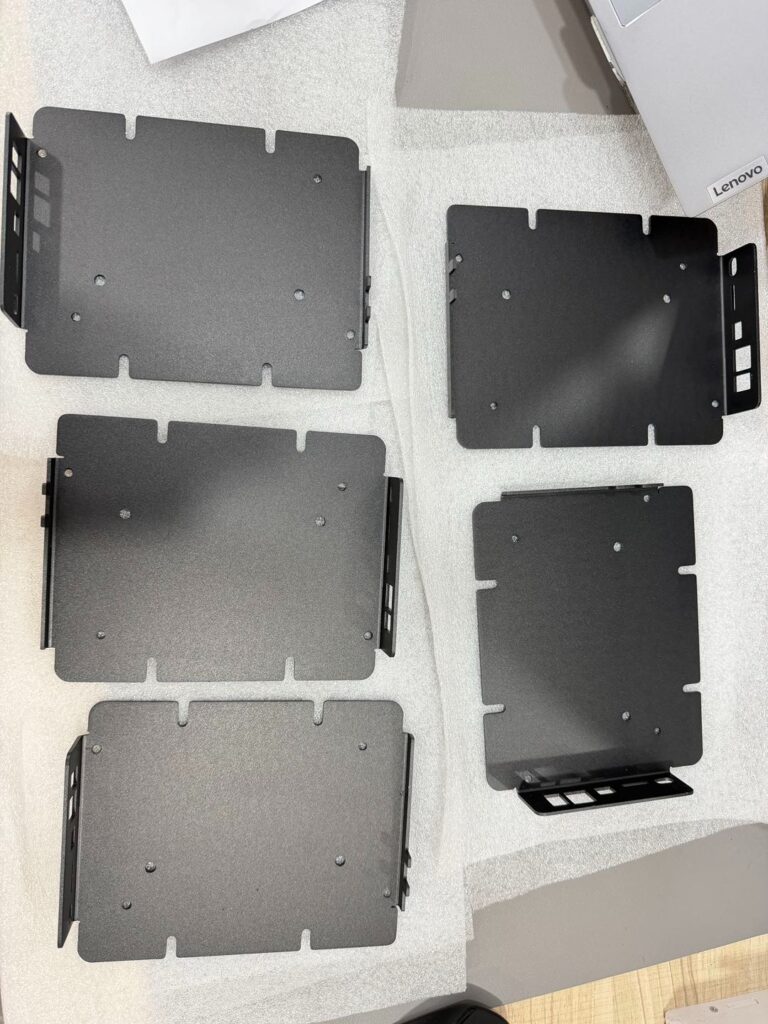
- Manufacturing of key components, such as the front and back plates of the controller enclosure
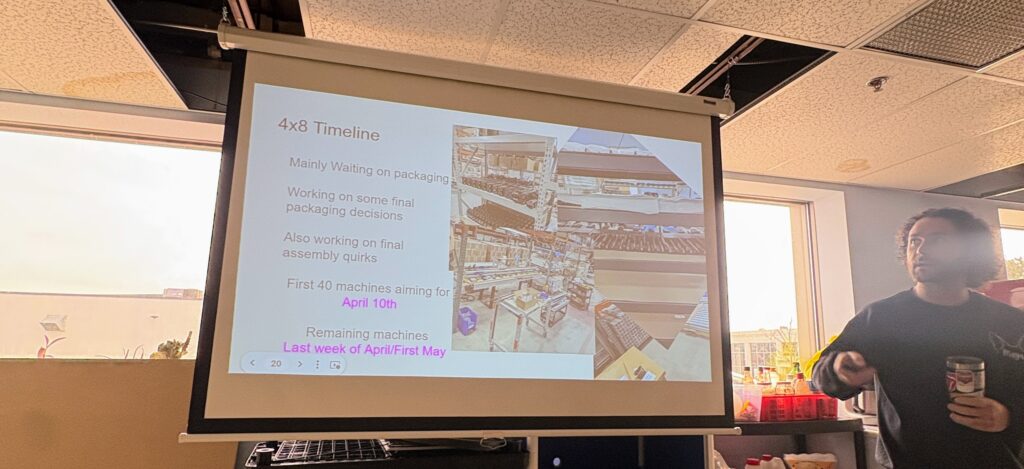
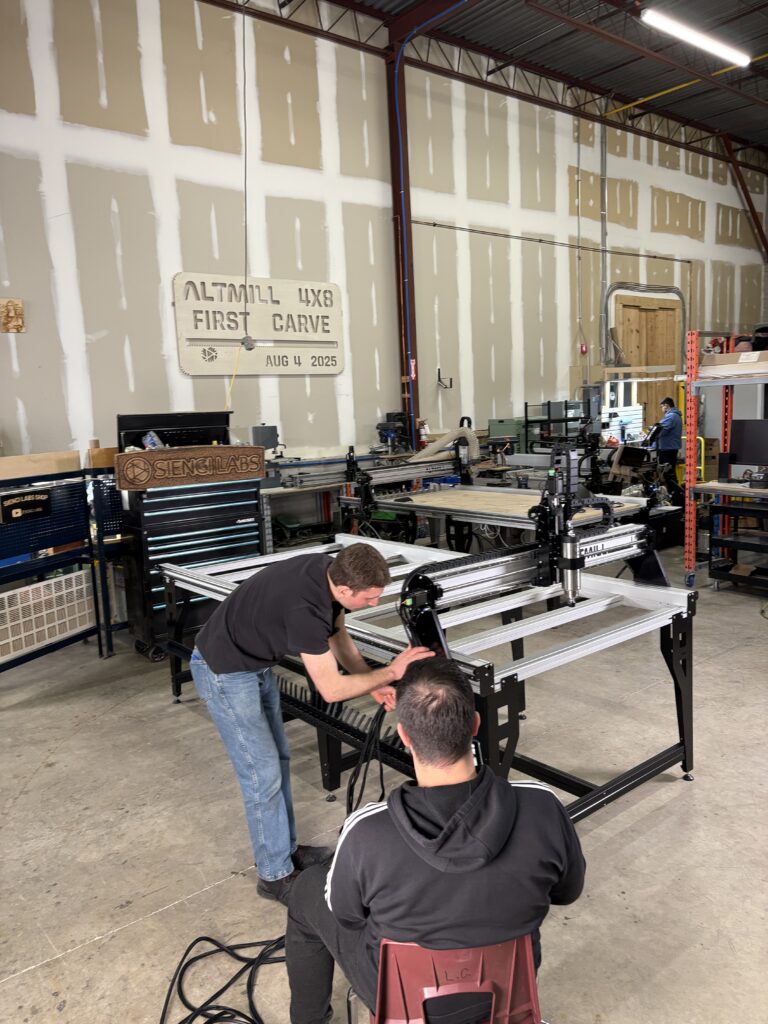
AltMill 4×8
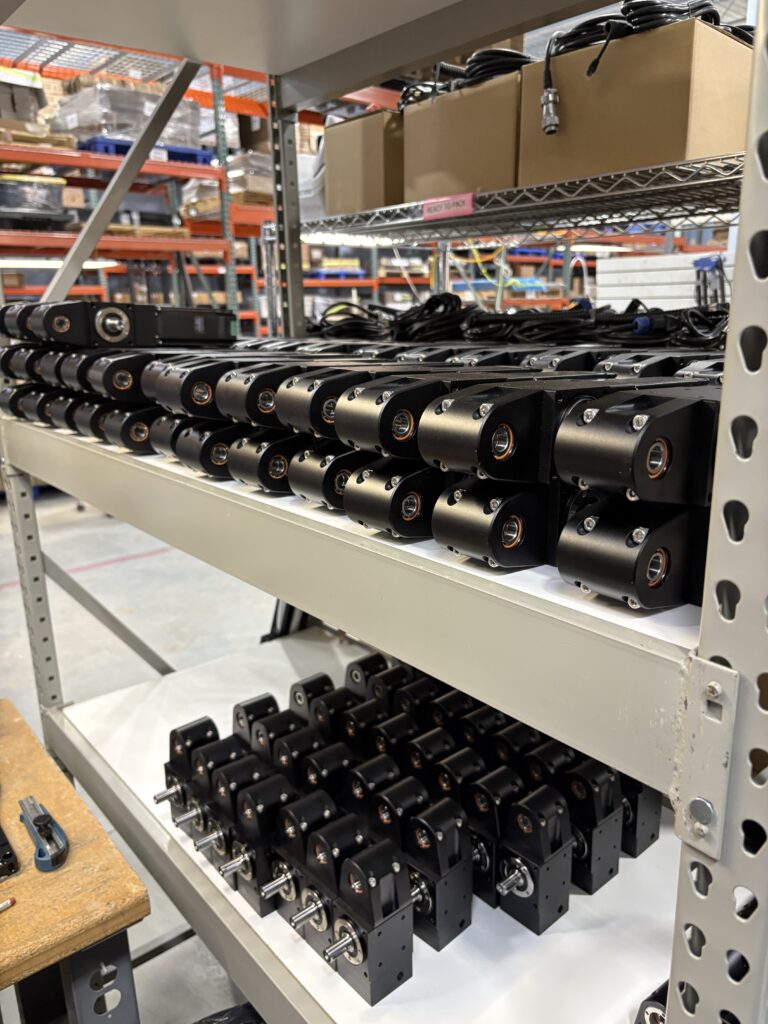
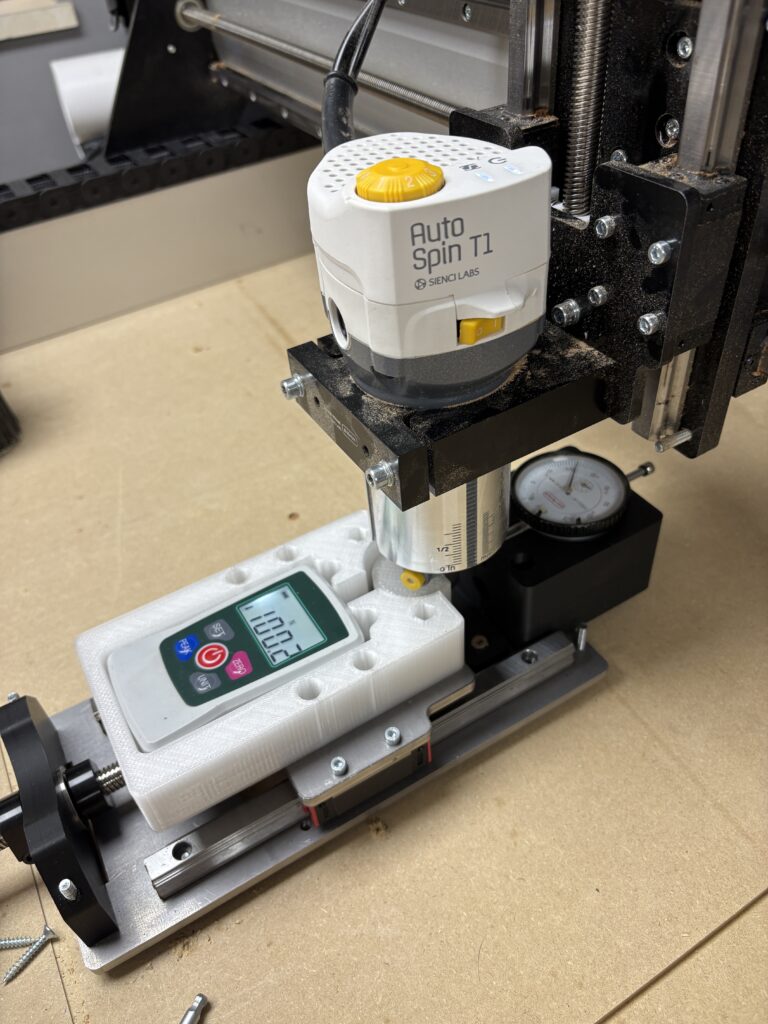
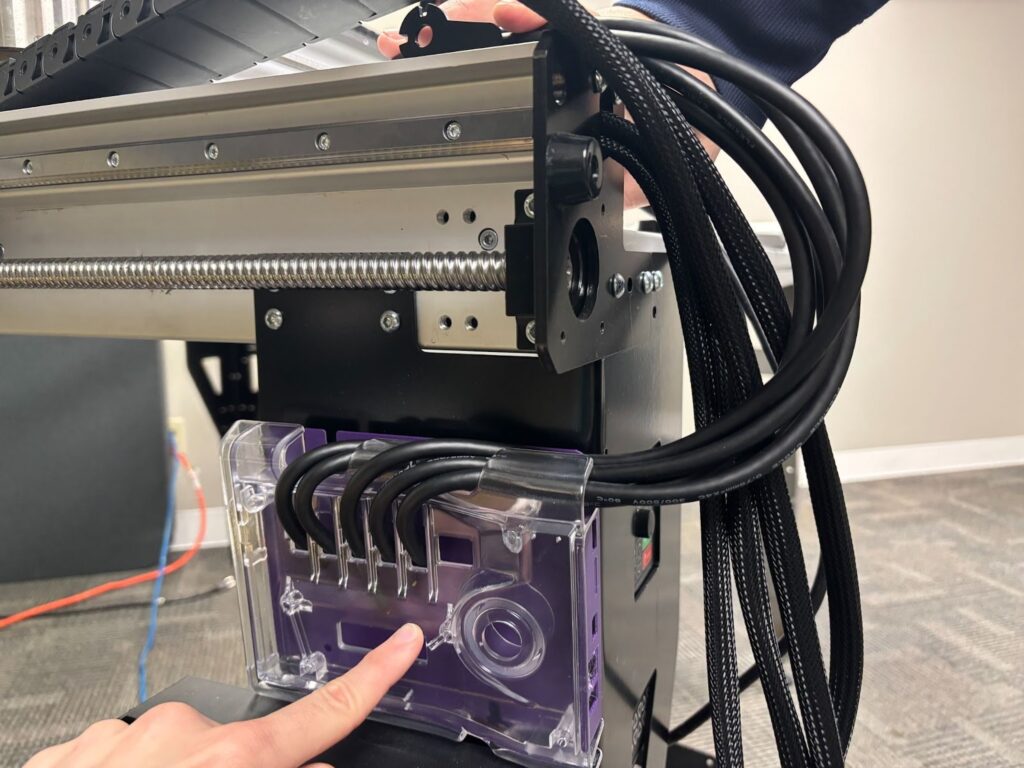
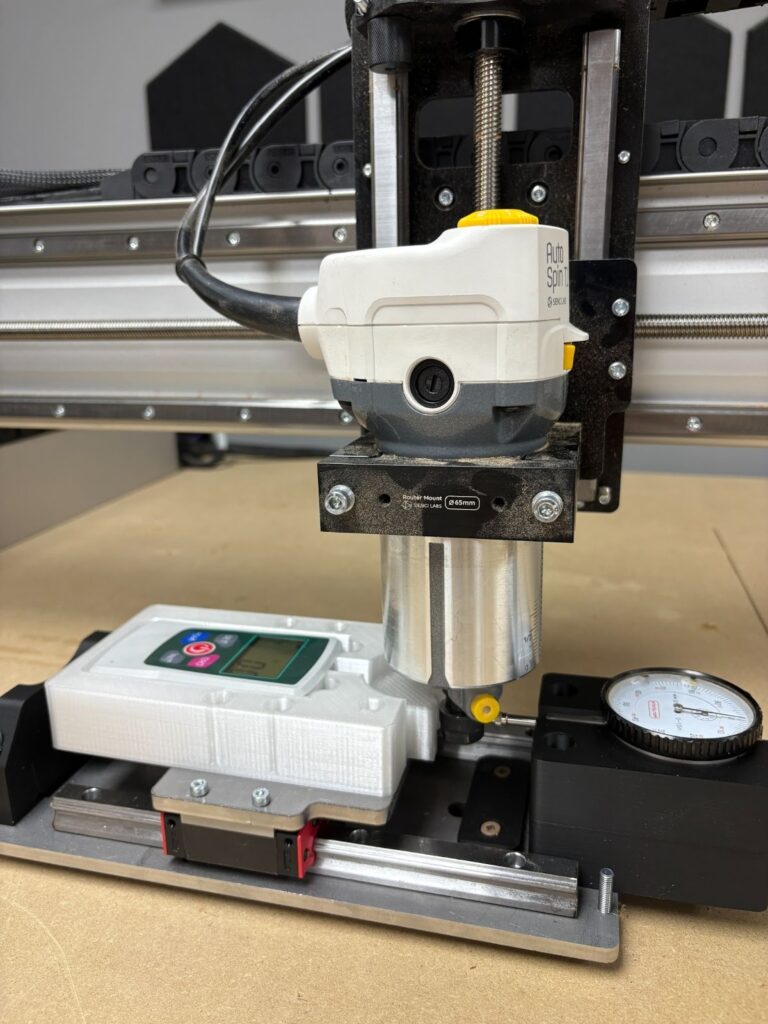
As mentioned in our last update, we’re in the process of ordering another 300 machines for the new batch. Otherwise we’ve been continuing to do long term accelerated wear testing for the AltMill 4×8, essentially running the machine constantly back and forth 100,000 times at high speed and acceleration, with sudden stops and starts. For context, this is a super extreme condition and we expect no one to ever come close to running it at these conditions.
Here are some of the findings:
- Change in backlash is essentially non-existent, under 2 thou
- Motors heat up to 92C, which is close to the 90C limit that the gearbox can handle
- Besides the bearing retaining ring on the gearbox starting to come loose, all other components are still at the torque they need to be
Overall, this means:
- Under normal operating conditions, it’s unlikely for users to see any significant decline in performance or accuracy
- Motors only heat up to their limit at the most extreme conditions
- We can reduce the chance of the bearing retaining ring coming loose with adding some locktite during assembly. However, given that the machine was run at extreme conditions where the amount of vibration is significantly higher than normal operating conditions, we believe that this is not an issue. We will include in maintenance documentation for users to check the ring during regular maintenance. The good thing is also that when this item becomes loose, it is visually obvious, which makes it easy to address if needed.
Clear Cut Dust Shoe
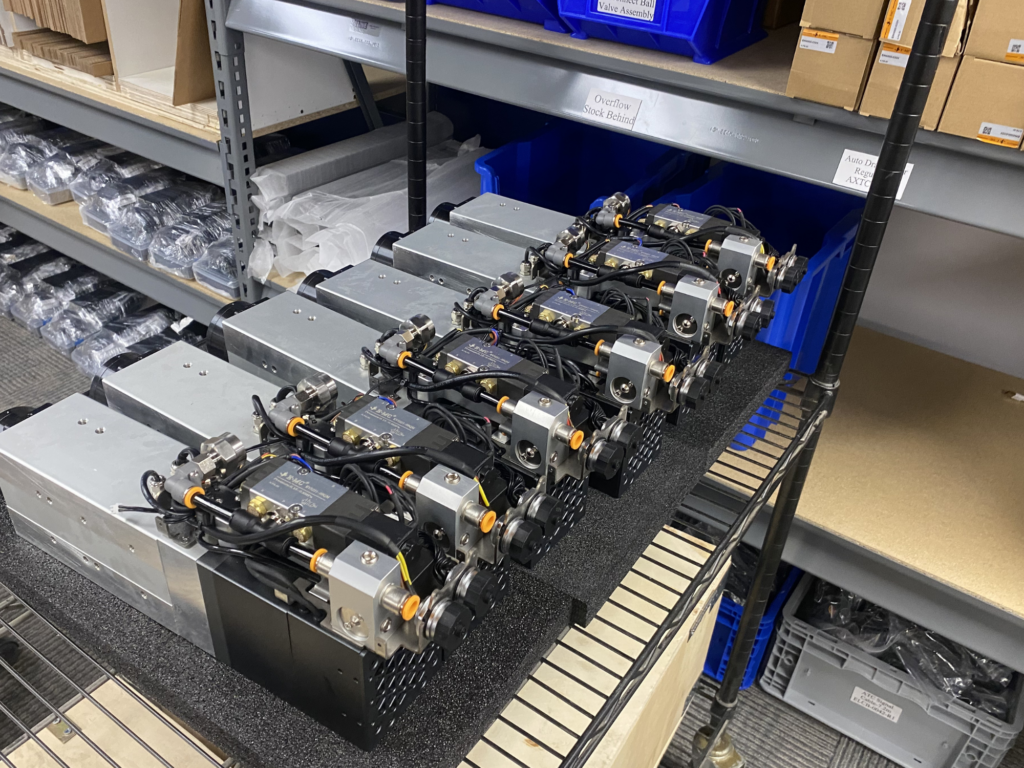
When we first launched the Clear Cut Dust Shoe for the 80mm spindles, we didn’t anticipate how popular they would be. We had originally set aside around 100 dust shoes for individual sale, which were all sold within a few days. The remaining dust shoes have been set aside to include with the Spindle Kits for the LongMill and AltMill.
We are expecting some more dust shoes to come in in 2 weeks and another batch in August. We will announce very shortly when they will be available again for single purchase.
Spindle Lead Times
Spindle lead times have been long for the past few months, as we received more orders specifically for the 1.5KW spindles than we were expecting. We’re happy to announce that a new batch of spindles have come in and we are working through backlogs. Please check the orders status page for the latest lead times.
Some Interesting Proof of Concept Projects
If you’re interested in knowing what else we have going on, we have a few “proof-of-concept” projects that we worked on in the past month. These are projects that don’t have any commercial direction at the moment, but highlights our interest in pushing the technology further and could be things you may see in the future. We have a lot of different “proof-of-concepts” that we work on, but these were two that I thought were particularly cool.
Perhaps it’s also worth mentioning that when you buy stuff from us, a lot of that money goes back into R&D to develop products and updates that benefits the ecosystem as a whole, so remember that it’s not just an investment you’re making today, but it can impact what your machine and the machines of others can do in the future.
“Autofeedrate“
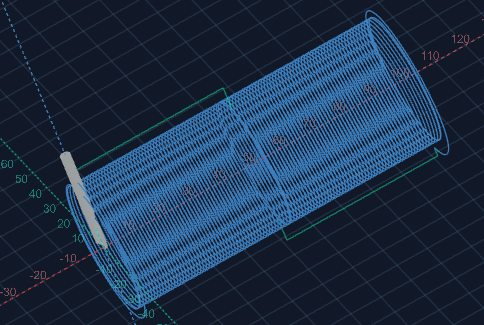
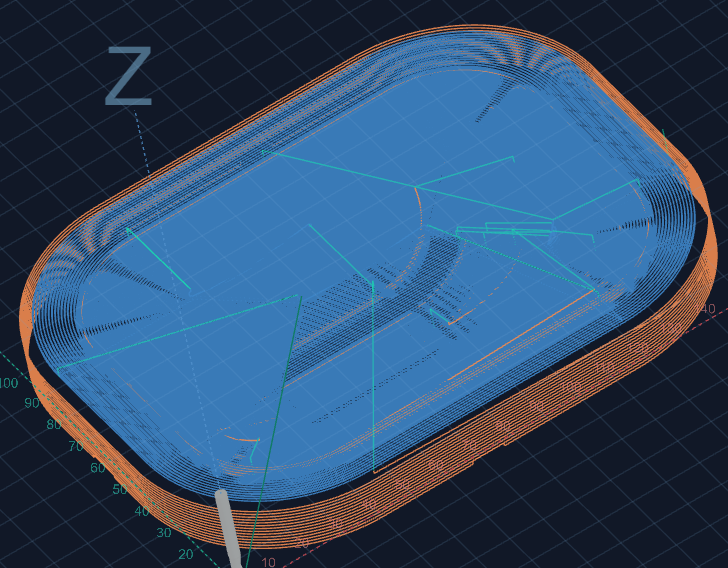
One of the challenging things with setting up a CNC for cuts is figuring out the speeds and feeds. With the implementation of “autofeedrate”, we can actively adjust the feedrate in real time based on the load on the spindle. In essence, we can take a current reading from the spindle cable and adjust the feedrate down to optimize the load on the spindle in relation to how much material it is cutting. This means that if there’s more cutting capacity that the machine can handle, it can automatically run faster. Or, and likely more important to the average user, reduce the feedrate before the spindle can stall.
In industry, this is a feature that is used to optimize feeds and speeds in manufacturing, where shaving seconds off the cycle time can result in significant cost savings in a production facility. However, the implementation of this technology can cost thousands, if not tens of thousands of dollars.
The use of autofeedrate in a hobby level setting, on the other hand, would allow users to reduce the amount of guesswork required to set feeds and speeds on their machine, especially due to differences in material, machine, and tooling differences. In essence, one of the challenging parts of providing a streamlined experience in CNCing is the fact that there are so many variables to take into account. By having an active system in monitoring load and adjusting for these factors could help optimize cuts and reduce the knowledge needed to operate a machine.
The exciting part of this technology is that the hardware and sensors needed to implement this can be done on most existing machines and are fairly inexpensive ($20-50). The software and signal processing is the more complicated and expensive part.
gSender on CM4
Up until recent months, gSender has been a fairly processor-intensive program. With recent improvements to gSender, we’ve managed significant speed and reliability improvements. However, we mostly see and expect users to run the program on full scale computers and laptops.
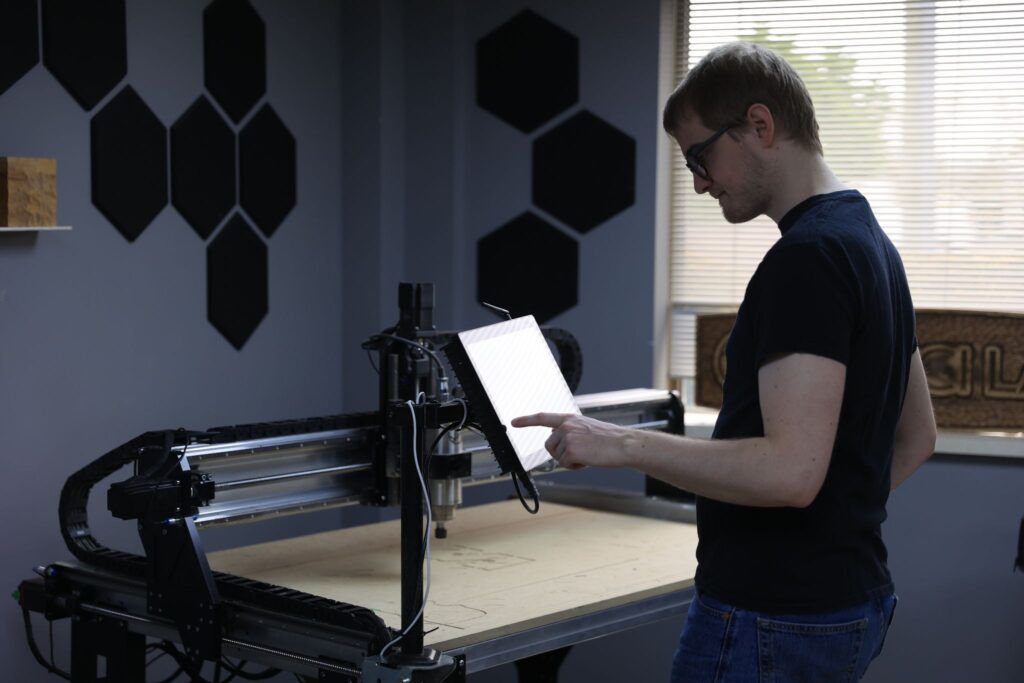
Kevin (one of our senior software developers), has been working on a new proof of concept we are expecting to funnel into a wider development of a more affordable control panel to control grblHAL machines.
To be frank, a solution like the gControl Panel Computer, is expensive for the average hobby user. While we see a big chunk of AltMill users buy the gControl Panel Computer, very few use it with a LongMill. I suspect this has mostly to do with the market that we are serving with the LongMill since it is a lower cost machine.
So what is the gSender on CM4? CM4 is a compute module, or a single board computer. They are generally cheaper than full size computers ($30-100), and are designed more for embedded applications and for light computing. Oftentimes, a CM4 is used as a development platform for testing before going into a full integrated computer design, as they are easy to set up and can be purchased off the shelf.
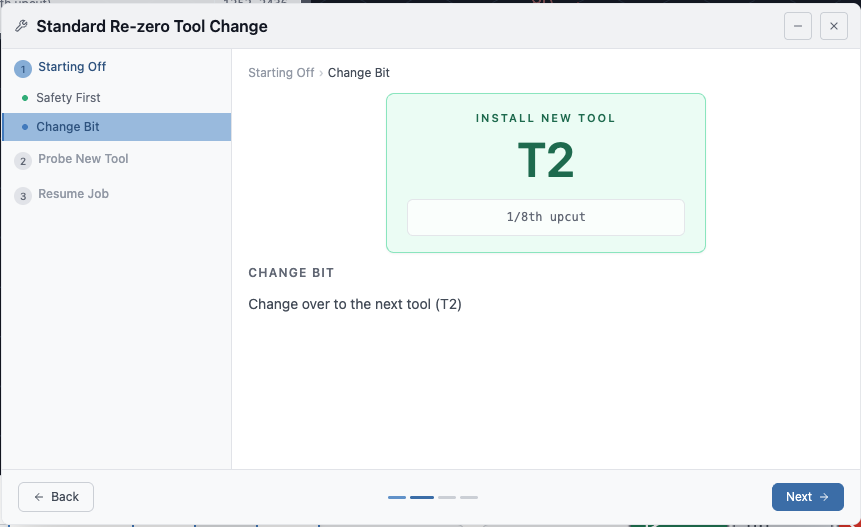
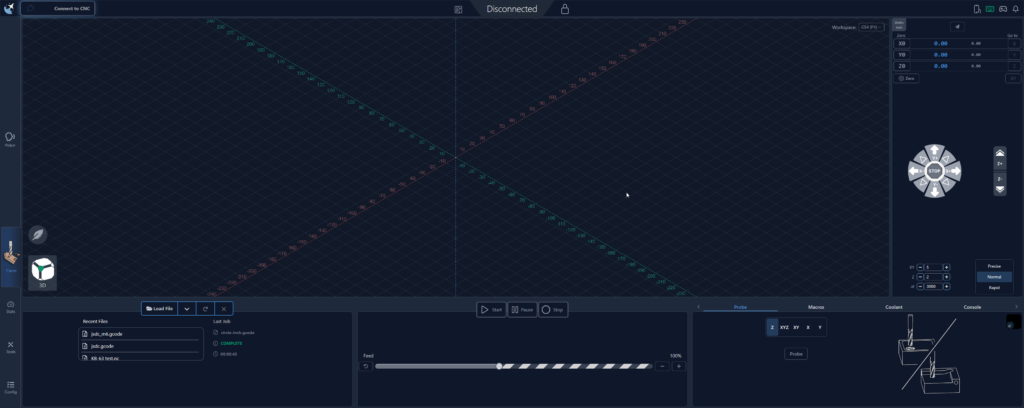
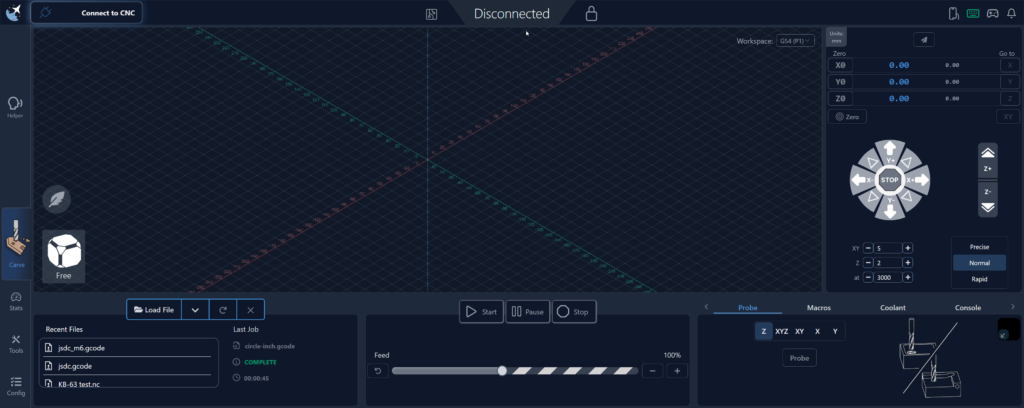
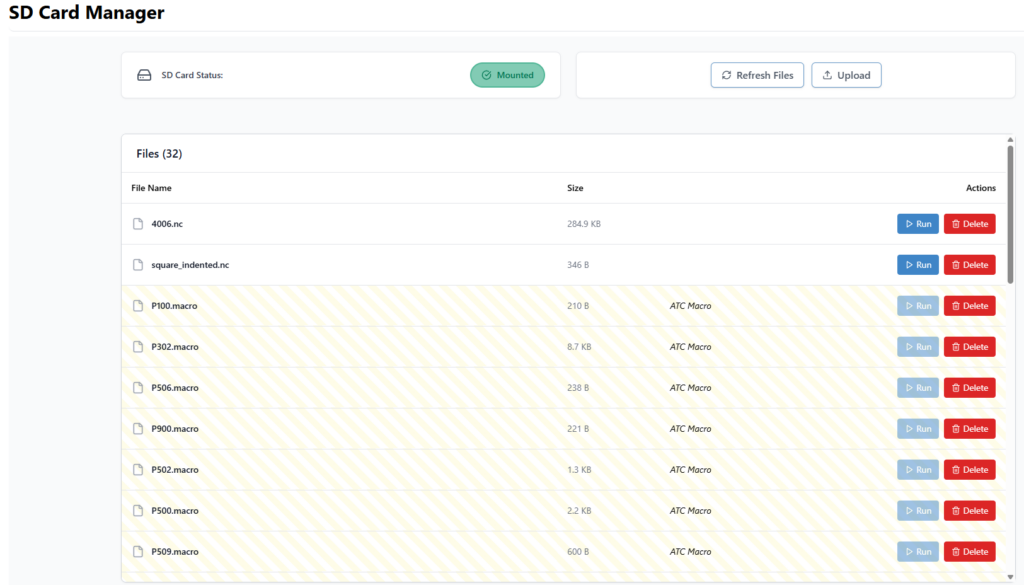
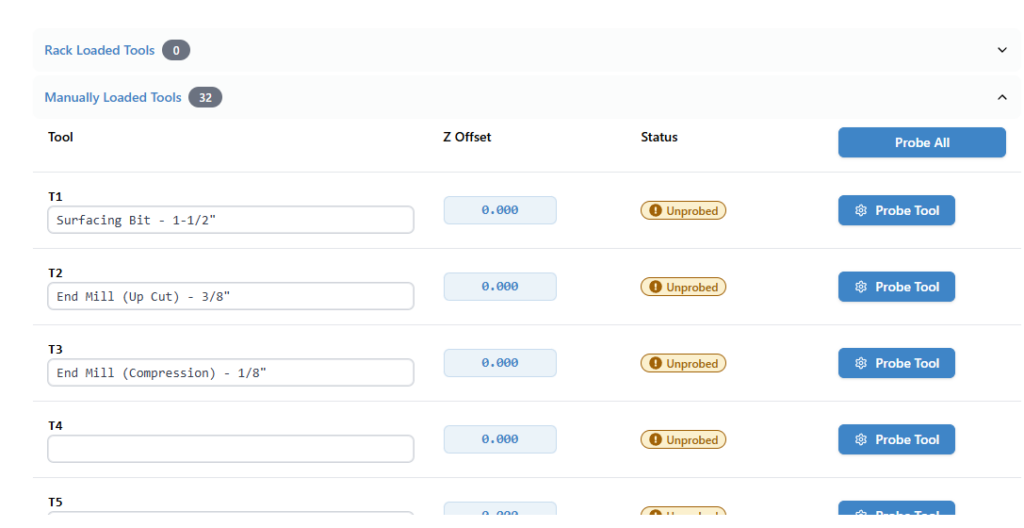
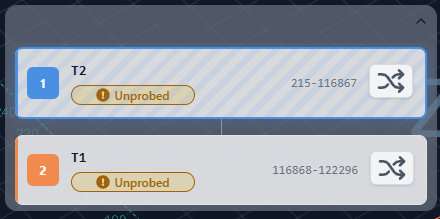
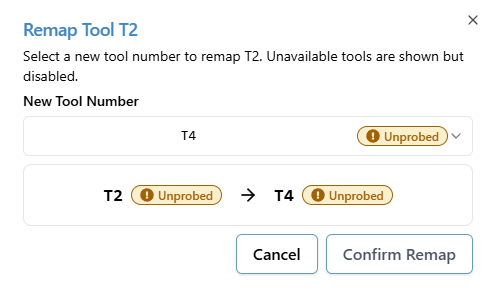
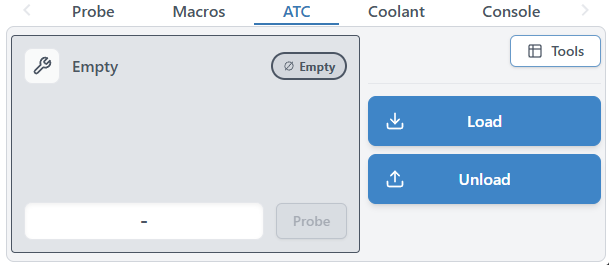
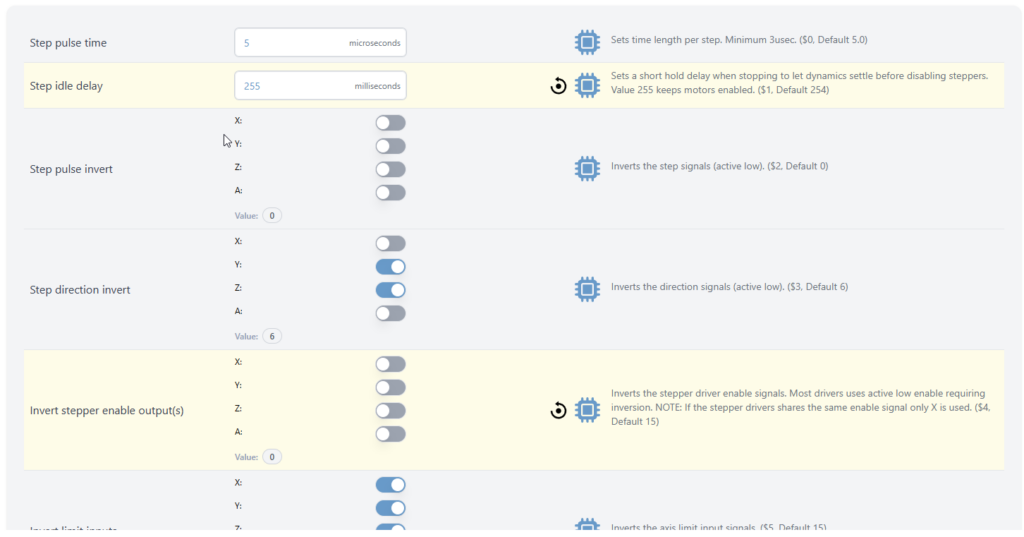
Since something like the CM4 has much less processing power than something like the N150 Intel processor found in gControl. This means gSender for CM4 needs to be optimized for that level of processing without losing functionality. This proof of concept shows the screenc apture of an optimized version of gSender designed for CM4.
One of the key things to note is the redesign of the UI, which is made to be touch screen friendly and work on smaller screens. In the long term, we expect to implement this solution into a computer that can act as an affordable controller or pendant so that users don’t need to plug in a laptop or buy a gControl for their machine.